
Army Lays Groundwork for Death Row Executions with Trump’s Approval
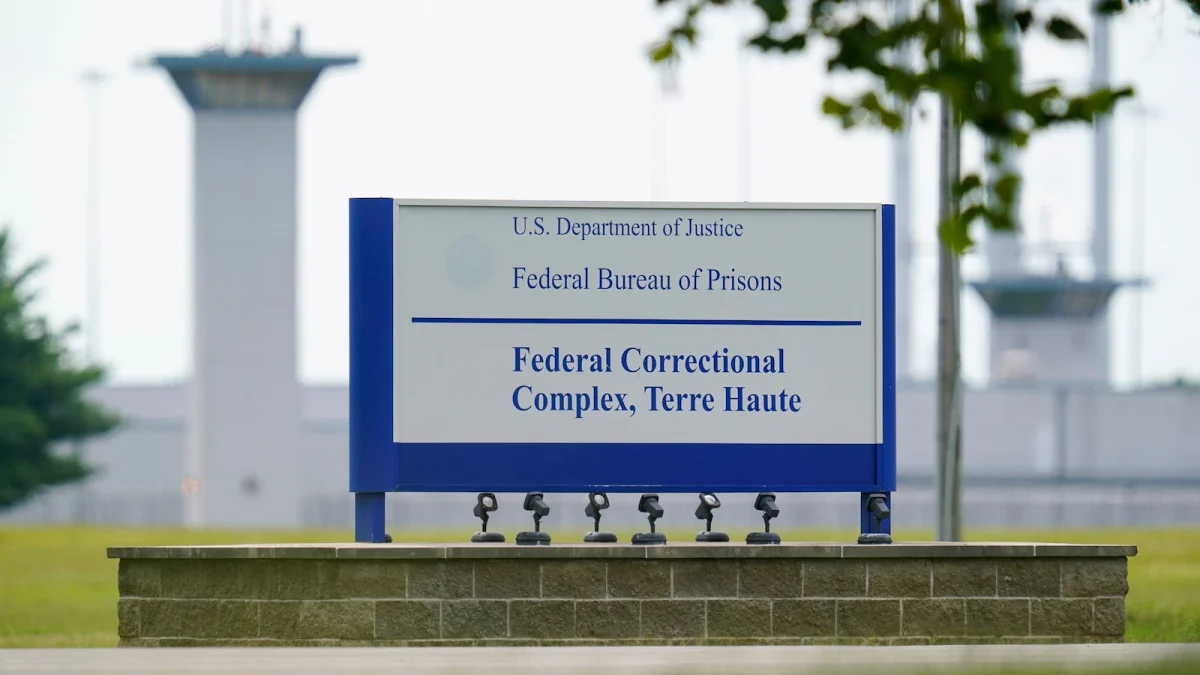
Army lays groundwork for death row executions – The U.S. Army is setting the stage to execute its four condemned inmates if President Donald Trump authorizes the move, as revealed by an internal planning document reviewed by ABC News. This initiative, referred to as “Operation Resolute Justice,” was internally released in February and outlines the steps required to carry out military executions. The plan emphasizes coordination with the Federal Bureau of Prisons to transport prisoners from the U.S. Disciplinary Barracks in Fort Leavenworth, Kansas, to the federal execution facility in Terre Haute, Indiana. This facility has historically been used for non-military federal executions during Trump’s first term, making it a potential site for the first military executions in over 60 years.
Historical Context of Military Executions
Since 1961, the Army has not executed a service member. The last such instance was Pvt. John Bennett, who was put to death in Austria for the rape and attempted murder of an 11-year-old girl. This gap in military executions has been notable, but recent developments suggest a shift in the Department of Defense’s approach to capital punishment. The Army’s internal document indicates a proactive stance, with planning exercises conducted regularly over the past two decades to ensure readiness should the president order executions.
According to Army spokesperson Cynthia Smith, the service treats execution planning like any other critical mission. “We conduct regular drills to anticipate White House directives,” Smith stated. She noted that while the Army has been preparing for this scenario, no formal order has been issued yet. The plan’s timeline specifies that all components must be operational within 150 days of presidential approval, detailing procedures for prisoner transfers, check-in meetings, and execution logistics.
Presidential Approval and Legal Framework
Although the Army can impose death sentences through its courts, the final authority rests with the president. This requirement means that executions remain contingent on approval from the executive branch. The White House has not yet confirmed whether Trump intends to proceed with the death penalty for military inmates, directing ABC News to the Army for further details. The document also addresses public relations strategies, including media access during executions, to manage the narrative surrounding the process.
With Trump’s re-election, the federal government has renewed its focus on capital punishment. On his first day in office, he signed an executive order to reinstate the death penalty and accelerate its use after the Biden administration paused federal executions. This marks a significant departure from the Obama era, when the death penalty was also temporarily suspended. One notable case under Obama was Dwight Loving, a military death-row inmate whose sentence was commuted to life without parole in 2016. Loving was convicted of murdering two soldiers in 1988, highlighting the long-standing debate over the application of the death penalty within the military.
Reinvigorating the Death Penalty
Trump’s administration has taken steps to expedite the execution process. In April, the Justice Department announced measures to streamline federal executions, including expanding approved methods such as the firing squad. These changes align with the Army’s internal plan, which aims to modernize the execution process while maintaining its historical framework. The document also emphasizes the Army’s preparedness, with multiple departments tasked to ensure seamless operations if the president greenlights the executions.
Defense Secretary Pete Hegseth has been vocal about his commitment to the death penalty. In September 2020, he stated his intention to pursue executions for Nidal Hassan, who was convicted in 2009 for the Fort Hood mass shooting. The attack, which killed 13 soldiers and injured 32 others, was carried out by Hassan, an Army psychiatrist. Hegseth’s remarks underscore the administration’s focus on swift justice, asserting that “the victims and survivors deserve justice without delays.” His comments reflect a broader strategy to reassert the death penalty’s role in federal and military criminal proceedings.
Public Perception and Media Role
The Army’s plan includes provisions for managing public communication during executions. This aspect has been highlighted in the context of increasing scrutiny over capital punishment. The military news platform Task & Purpose was the first to report on the planning effort, emphasizing the strategic importance of the document. By outlining procedures for media engagement, the Army aims to present executions as a structured and transparent process, even as the debate over their necessity continues.
While the plan is still in the preparatory phase, its implications are significant. The potential resumption of military executions could signal a broader shift in the federal government’s approach to capital punishment. Historically, the death penalty has been less frequently applied to military personnel, but Trump’s policies and the Army’s proactive measures suggest a renewed focus on this aspect of justice. The transfer of prisoners from Fort Leavenworth to Terre Haute, Indiana, also highlights the coordination between military and federal prison systems, ensuring that the execution process is both efficient and legally sound.
Notably, the Army’s plan coincides with Trump’s efforts to revive the death penalty across the federal government. His executive order in 2021 directed the Justice Department to resume executions, reversing the pause initiated by the Biden administration. This alignment between the military and the federal justice system underscores a unified approach to capital punishment under Trump’s leadership. The document’s release in February indicates that the Army has been anticipating this possibility for some time, demonstrating a readiness to act should the president’s approval come.
Legacy of Military Executions
The Army’s preparation for executions also draws attention to the legacy of past military trials. One such case is the 2003 attack at Camp Pennsylvania, Kuwait, which was carried out by Army Sgt. Hasan Akbar. Akbar, a combat engineer, threw grenades into tents, killing three soldiers and wounding others. In May 2020, Hegseth awarded Purple Hearts to nine veterans injured in that attack, symbolizing the administration’s recognition of military service and its commitment to justice. The incident, which led to Akbar’s conviction for premeditated murder and attempted murder, remains a poignant reminder of the consequences of wartime violence.
As the Army moves forward with its planning, the broader debate over the death penalty’s role in military justice continues. While some argue that executions are a necessary deterrent, others question their fairness and consistency in a modern legal landscape. The internal document’s focus on logistics and public relations reflects an effort to address these concerns while ensuring the process is executed with precision. With the potential for executions to resume, the Army’s readiness could shape the future of capital punishment within the military, setting a precedent for its use in the coming years.
Ultimately, the success of “Operation Resolute Justice” depends on presidential approval. Until then, the Army remains on standby, its procedures and timelines ready to activate. The plan’s release in February suggests a deliberate strategy to align with Trump’s agenda, reinforcing the idea that the death penalty is a priority. As the nation watches, the Army’s preparedness underscores the intersection of military discipline and federal criminal policy, with the potential to redefine the execution process in the United States.