

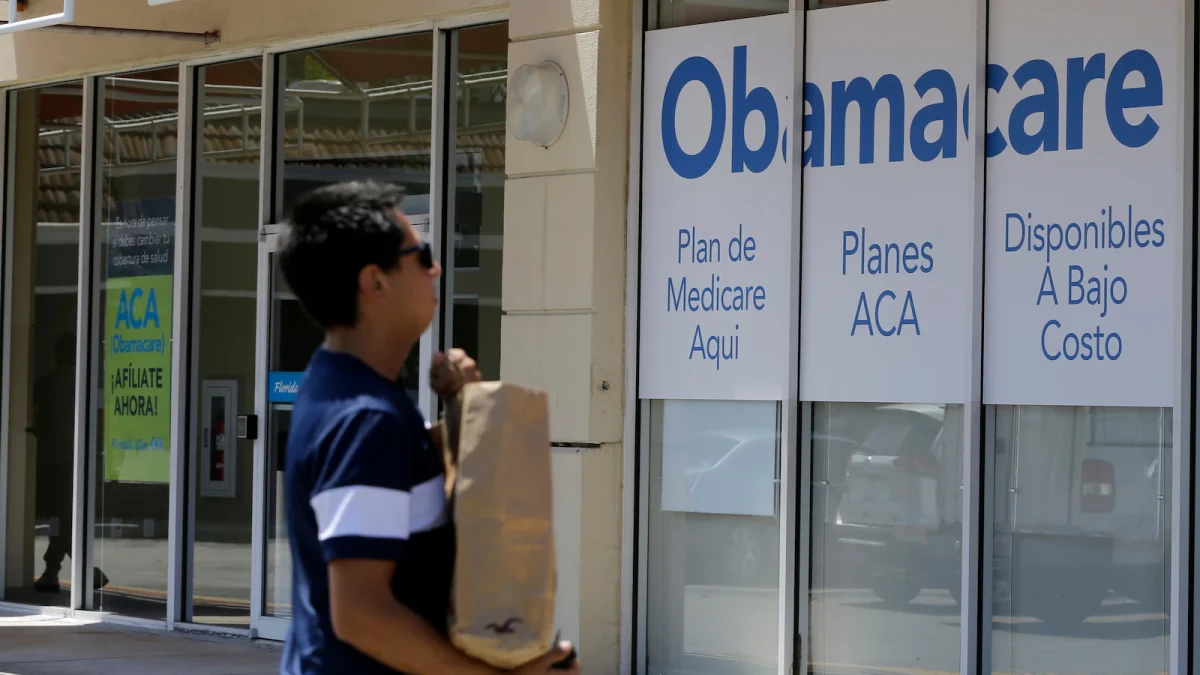
Millions Drop Obamacare Coverage After Subsidies Expire, Costs Rise
Millions drop Obamacare coverage after subsidies – As of February, approximately 3 million fewer Americans were enrolled in health insurance plans under the Affordable Care Act (ACA) compared to the same month in the previous year, according to newly released federal data. The U.S. Department of Health and Human Services (HHS) reported the decline on Friday, noting that enrollment had dropped from 22.1 million in 2025 to 19.2 million in 2025. Analysts suggest this sharp decline may be linked to a combination of factors, including a federal initiative targeting fraudulent enrollment practices and the sudden increase in insurance premiums following the Jan. 1 expiration of federal subsidies.
Subsidies Expiration Drives Premium Increases
Healthcare experts, however, point to the loss of subsidies as the primary driver behind the enrollment drop. These subsidies, which helped lower premiums for millions of Americans, expired in January, causing a dramatic spike in costs. For many, especially those with lower incomes, the surge in expenses made it difficult to afford coverage, leading to widespread cancellations. “We know that real people lost their health insurance coverage,” said Cynthia Cox, a vice president and director of the ACA program at the nonprofit healthcare research organization KFF. “This coverage loss happened at the same time millions of people faced double or even triple-digit increases in their premium payments.”
The data, compiled in April but reflecting enrollment figures from February, marks the first official analysis of how the initial premium hikes affected overall participation in the ACA marketplace. This is because the statistics capture the period after a nonpayment grace period expired, leaving enrollees with no time to adjust their plans. The report highlights the immediate impact of financial pressure on individuals, particularly those who had relied on subsidies to access affordable care.
Early Signs of a Larger Trend
Earlier in January, a federal estimate revealed that around 800,000 fewer people had enrolled in ACA plans compared to the same time last year. While this was a smaller decline, it signaled a shift in enrollment patterns, as it was the first time in four years that participation had fallen during the annual open enrollment period. Cox warned that this trend could continue, predicting that enrollment might decrease further this year, potentially reaching a low of 17.5 million by year-end.
For working-age individuals without access to employer-sponsored insurance, the ACA has been a crucial safety net. Gig workers, farmers, ranchers, and other independent contractors often depend on these plans for coverage. The loss of subsidies has not only raised costs but also created uncertainty for those who had previously managed to afford premiums. “The program has become a lifeline for many people who lack access to traditional health insurance,” Cox explained, emphasizing the broader implications of the drop.
The expiration of subsidies has sparked a heated debate in Congress, with Democrats and some Republicans advocating for their renewal. The federal government’s decision to cut these subsidies was part of a larger effort to reduce budget deficits, but critics argue that it has disproportionately impacted vulnerable populations. The ACA’s financial assistance, which subsidizes premiums based on income, was a central issue in the fall legislative discussions. Despite the argument for fiscal responsibility, the loss of these benefits has led to a noticeable exodus from the program.
Broader Implications for the Healthcare System
As premium costs continue to rise, the ACA faces a critical challenge in maintaining its role as a cornerstone of healthcare access. The program’s expansion has allowed millions to obtain coverage, but without subsidies, affordability has become a major barrier. The recent data underscores the vulnerability of this system, especially in an economic climate where many households are already stretched thin. “The burden of higher premiums is falling hardest on those who need it most,” said Cox, citing survey results that highlight the financial strain on enrollees.
The ACA’s popularity among individuals without employer-based coverage has waned in recent years, but the subsidy cuts have accelerated this trend. With premium increases reaching double or triple digits, some have opted to drop their plans or delay enrollment. This shift could have long-term consequences for the program’s stability and its ability to serve as a reliable option for those outside the traditional insurance market. “The program’s future depends on how quickly people can adapt to these new financial realities,” Cox added, noting that the data reflects a growing concern about the sustainability of the ACA.
Meanwhile, the broader healthcare landscape has seen similar challenges. Health costs across all insurance programs have risen sharply, and voters are increasingly vocal about affordability as the November elections approach. The ACA’s struggles with premium hikes are part of a larger conversation about the future of healthcare access in the U.S. “Affordability remains a top priority for many Americans,” Cox observed, highlighting the need for policy solutions that address rising costs without compromising access.
Industry Reactions and Policy Debates
Health analysts have debated the exact cause of the enrollment drop, with some attributing it to the subsidies’ expiration and others citing the federal crackdown on phantom enrollment. While the HHS report suggests both factors are at play, the financial impact appears to be the more immediate concern. The subsidies, which were a key feature of the ACA, provided essential support to lower-income individuals, making coverage accessible to those who might otherwise be priced out of the market.
As the ACA faces declining enrollment, policymakers are under pressure to find a way to stabilize the program. The loss of subsidies has exposed the program’s reliance on financial assistance to maintain participation, and without it, many have turned to alternative options or forgo coverage altogether. This development has also reignited discussions about the role of government subsidies in healthcare, with some lawmakers calling for a return to the previous system while others propose new measures to offset the cost increase.
For now, the data provides a clear snapshot of the ACA’s current state. The enrollment drop is not just a number—it represents a growing number of Americans who are struggling to maintain their health insurance in the face of rising costs. As the year progresses, the question remains whether these trends will continue or if new policies can reverse the decline. For now, the message is clear: without subsidies, the ACA’s ability to serve as a safety net for millions is in jeopardy.
Popular Reads
Iran live updates: ‘Unidentified projectile’ hits ship in strait, tracker says 4 hours ago
Reflecting Pool caulking cut with ‘sharp knife or razor,’ NPS says in court filing Jun 25, 6:15 PM
Iran updates: Iran says military’s ‘ready to respond’ amid Trump threats Jun 21, 4:39 PM