
Nearly a third of National Park island home to rare wildlife has burned in spate of Southern California wildfires
Nearly a Third of National Park Island Home to Rare Wildlife Has Burned in Spate of Southern California Wildfires
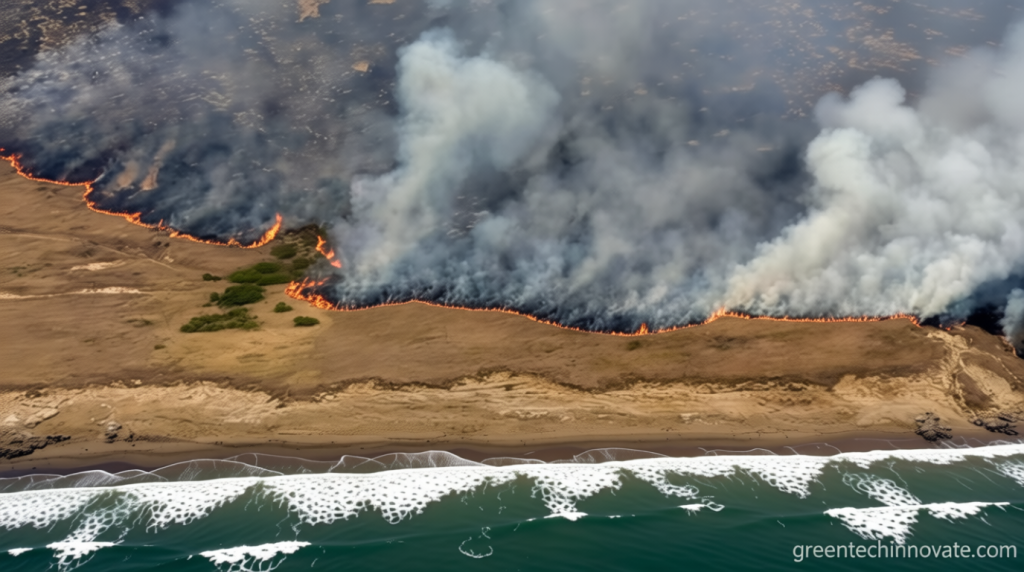
Nearly a third of National Park – Amid a surge of wildfires sweeping across Southern California, a significant portion of Santa Rosa Island—part of the Channel Islands National Park—has succumbed to flames. The blaze, which began on Friday, has now consumed approximately 17,000 acres, accounting for nearly a third of the island’s landmass. This area is recognized as a sanctuary for numerous rare and endemic species, some of which are found exclusively in this isolated ecosystem. As of Tuesday evening, the fire stands as the largest in the state this year, according to the California Department of Forestry and Fire Protection (Cal Fire). At present, the blaze is 26% contained, but the ongoing threat continues to disrupt the delicate balance of the park’s natural habitats.
Isolation and Unique Biodiversity
The Channel Islands, often compared to the Galápagos archipelago for their role in fostering distinct species, are a critical refuge for biodiversity. Santa Rosa Island alone hosts around 46 plants and animals that are either endemic or found nowhere else on Earth. The recent fire has not only scorched the landscape but also endangered these unique species. One of the most vulnerable is the Torrey Pine, a critically endangered tree species that grows naturally only on Santa Rosa Island and a small preserve near San Diego. The grove of Torrey Pines on the island has been partially consumed by the flames, prompting National Park Service officials to plan an assessment of the damage on Wednesday.
Evacuation efforts have also intensified on the island. Eleven National Park employees were forced to leave their homes on Sunday, as the fire rapidly expanded. The island is now closed to visitors, with officials urging caution as the situation evolves. The loss of two historic structures has further underscored the severity of the blaze, highlighting the dual threat to both natural and cultural heritage in the region.
Human-Caused Origins and Firefighting Challenges
While officials have identified the fire as human-caused, the exact origin remains under investigation. The National Park Service is leading the inquiry, with the Coast Guard Southwest District providing support. Kenneth Wiese, a spokesperson for the Coast Guard, confirmed that the investigation is ongoing, though he did not disclose preliminary findings. The fire’s rapid spread was exacerbated by extreme fire behavior reported on Monday, as gusty winds created challenging conditions for firefighters. However, a shift in weather on Tuesday allowed for aerial interventions, which helped slow the blaze’s progression.
“The fire started with intense behavior, but the winds improved enough Tuesday to enable aircraft attacks,” said Wiese, emphasizing the dynamic nature of the incident.
Despite the progress made, the fire has continued to burn through the island’s fragile environment. The National Interagency Fire Center noted that the fire’s growth was more restrained than on previous days, though the risk of further spread persists. The park service has expressed concern over the potential impact on rare flora and fauna, particularly as the Torrey Pine grove remains a focal point for ecological evaluation.
Mainland Wildfires and Evacuation Impact
While the focus has been on Santa Rosa Island, the wildfires have also affected the mainland, leading to widespread evacuations. In Riverside County, the Bain Fire has prompted the relocation of over 700 residents, with an additional 1,800 under evacuation warnings. As of Wednesday morning, the fire had grown to 1,456 acres and was 25% contained, according to Cal Fire spokesperson Maggie Cline De La Rosa. Four individuals were injured in the Bain Fire, with three sustaining minor wounds and one suffering a traumatic injury. The specifics of the latter case remain undisclosed, though De La Rosa confirmed the severity of the situation.
Elsewhere in the county, the Verona Fire has caused injuries to two firefighters and one civilian. The civilian, who was hurt during the incident, opted not to seek medical attention, as De La Rosa noted. Evacuation orders have been issued for 1,100 residents, while 1,407 others are under evacuation warnings. The exact number of structures damaged or destroyed is still being determined, with officials indicating that the situation could worsen if the fire gains momentum.
Sandy Fire and Regional Response
In Ventura County, the Sandy Fire has placed nearly 44,000 people under evacuation orders. The blaze, which spread swiftly earlier in the week, was fueled by strong winds and has now consumed 1,700 acres. As of Tuesday evening, the fire was 15% contained, with approximately 900 firefighters working tirelessly from both the air and ground to contain it. The destruction of one home has added to the regional concern, as the fire continues to threaten communities and natural areas alike.
Further south, in eastern San Diego County, the Tusil Fire has burned across both sides of Interstate 8, covering 1,000 acres. The fire is 25% contained, though efforts to control its spread have seen some success overnight, as reported by Cal Fire. This trend of manageable growth, however, has not diminished the urgency of the situation, with officials monitoring the area closely for potential flare-ups.
The combination of these wildfires has created a multifaceted crisis, with both ecological and human impacts. The Channel Islands’ unique biodiversity is now under threat, while the mainland’s residents face the dual challenges of property loss and displacement. As the investigation into the Santa Rosa Island fire continues, the broader implications of these blazes on California’s environment and communities remain a pressing issue for authorities and residents alike.
