
Trump Announces Rally After Artists Withdraw from National Mall Celebration
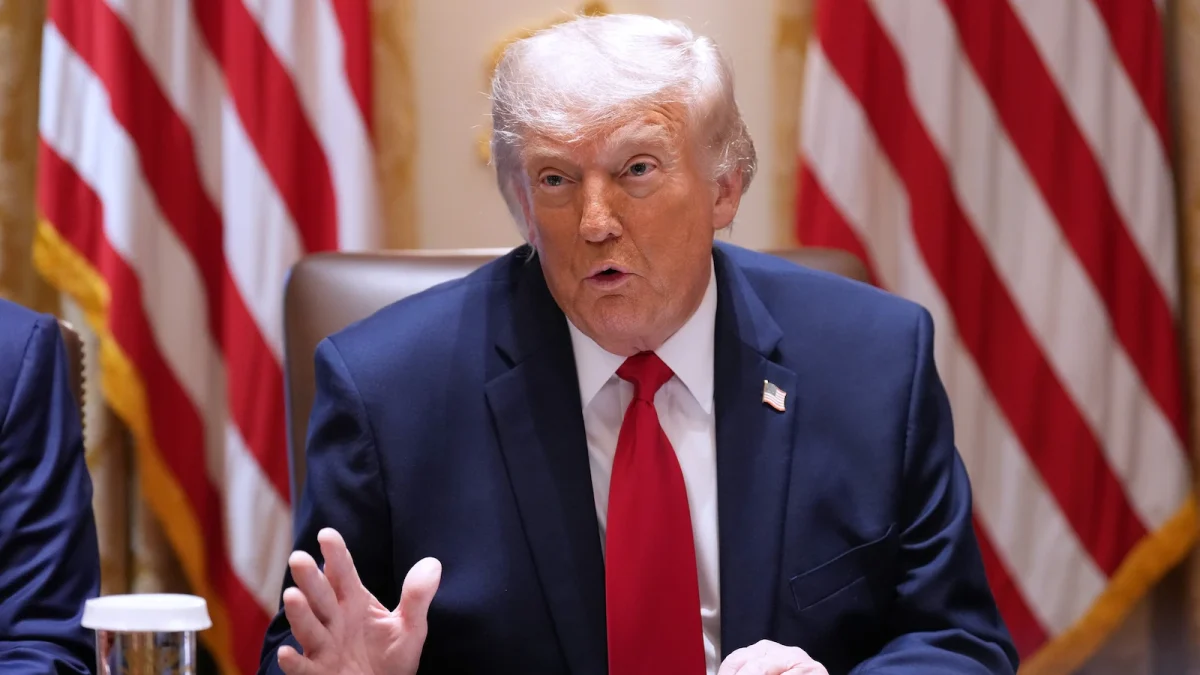
Trump announces rally after artists pull – Just days after the Freedom 250 organization unveiled the event’s musical schedule for its “Great American State Fair” in Washington, D.C., several confirmed performers expressed reluctance to participate. Now, President Donald Trump has pledged to take the initiative, hosting a campaign rally on Wednesday to replace the artists who have stepped back. In a Saturday social media post, the president declared his intent to “take the place of these highly paid, Third Rate ‘Artists'” and promised a major speech to “rally the Country forward like I have done ever since being President!”
Artists Withdraw, Citing Misleading Information
The event, scheduled for the National Mall as part of America’s 250th anniversary festivities, has drawn criticism from a growing list of artists. Martina McBride, Bret Michaels, Young MC, Morris Day and The Time, along with The Commodores, have all confirmed their decision to pull out. Several of them claim they were misled about the event’s political alignment, with some alleging the organizers downplayed its connection to Trump’s administration.
“I was presented with an opportunity to perform at a nonpartisan event, but that turned out to be misleading. I asked lots of questions and was assured this was a nonpartisan celebration intended to honor all 50 states,” Martina McBride stated in a recent interview.
Young MC echoed similar concerns on social media, noting that the organizers never clarified the event’s political undertones. “The artists were never told about any political involvement with the event. And despite the claims by the organizers that the event is non-partisan, SPIN magazine describes it as ‘Trump-backed,’” he wrote. “I hope to perform in D.C. in the near future at an event that is not so politically charged.”
Bret Michaels, who had initially agreed to the event, later shared his doubts. “When this opportunity was originally presented to my team, it was described as a celebration of our country through music and a chance to honor our veterans, active military, first responders, teachers, and hardworking Americans from all walks of life,” he said in a statement. “Unfortunately, what was presented to us as a celebration of our country has evolved into something much more divisive than what I agreed to be a part of.”
Freedom 250 and the National Mall Event
The National Mall event, organized by Freedom 250, is a public-private partnership aimed at supporting the White House-led Task Force 250. However, some artists argue that the group’s close ties to the Trump administration have shifted the event’s focus. While Freedom 250 is distinct from the congressionally established U.S. Semiquincentennial Commission, which operates under the name America 250, critics believe the former has become more aligned with Trump’s political agenda.
Freedom 250 spokesperson Rachel Reisner defended the event, stating it remains “fully committed to delivering a once-in-a-lifetime experience that brings every corner of this country together on the National Mall.” She emphasized the organization’s respect for artists’ autonomy, adding that “our doors remain open to any performer who wants to be part of honoring 250 years of American freedom, culture, and unity.”
Despite the organizers’ assurances, the event’s organizers have faced scrutiny over the information they provided. The exact details of the initial communications with artists are unclear, but some have suggested that the event’s political context was not adequately addressed. This has led to a sense of disillusionment among performers who felt their participation was misaligned with their personal values.
Broader Implications and Public Reaction
The withdrawal of prominent artists has sparked discussions about the role of cultural events in political messaging. Critics argue that the National Mall celebration, which was meant to be a tribute to American heritage, has become a platform for partisan promotion. Meanwhile, supporters of Trump contend that the event’s patriotic tone is natural given its location and the era it commemorates.
As construction crews prepare the National Mall for the festivities, the controversy highlights the tension between artistic expression and political alignment. Some performers have expressed concern over the safety of their fans, band members, and families, citing threats they believe are unfounded. “Concerns have also been raised regarding the safety of my fans, band, crew, family, and myself, including threats that are completely unforgivable,” Michaels added, though he did not specify the nature of these threats.
Freedom 250 has faced backlash for its handling of the event, with some accusing it of prioritizing political messaging over artistic freedom. The organization’s rapid response to these criticisms has been seen as a strategic move to maintain its credibility. “We respect the rights of any artist to make their own decisions,” Reisner reiterated, “but our goal is to create a celebration that reflects the values of the American people.”
Historical Context and Event Significance
America’s 250th anniversary celebrations are set to showcase the nation’s cultural and historical achievements. The National Mall event was designed to be a cornerstone of these festivities, featuring music, art, and community engagement. However, the artists’ withdrawals have cast a shadow over its potential impact, raising questions about the event’s ability to unite diverse voices under a shared national identity.
Despite the challenges, the organizers remain determined to proceed. “The Great American State Fair is a celebration of all Americans, and Freedom 250 remains fully committed to delivering a once-in-a-lifetime experience,” Reisner emphasized. This statement comes as the event approaches, with preparations underway for the large-scale gathering on the Mall.
As the nation looks to the future, the debate over the event’s partisan nature underscores the broader influence of politics on public celebrations. While Trump’s rally aims to fill the gap left by the departing artists, it also serves as a reminder of the complex relationship between cultural events and political messaging in modern America.
Public and Media Response
The controversy has sparked a range of reactions from the public and media outlets. Some view the artists’ withdrawals as a necessary correction to ensure the event remains inclusive and nonpartisan. Others see it as a symbolic gesture by artists to distance themselves from Trump’s administration. The debate has also extended to the broader context of American history, with critics questioning whether the 250th anniversary is being used as a vehicle for political promotion.
Meanwhile, the event’s organizers continue to highlight its patriotic intent. “Our mission is to celebrate the spirit of America and its enduring legacy,” Reisner said. “We are confident that the event will be a meaningful tribute to the nation’s history and values.” This sentiment is echoed by Trump, who framed his rally as a way to “rally the Country forward” and reinvigorate national pride through his leadership.
The situation reflects a growing trend of artists weighing their political affiliations against their creative opportunities. As the event draws closer, the challenge for Freedom 250 will be to balance its patriotic messaging with the diverse perspectives of those who remain involved. The outcome of this situation may have lasting implications for how cultural events are perceived in the context of political movements.