
Extreme Heat Expected Again at Grand Canyon Following Three Hiker Deaths
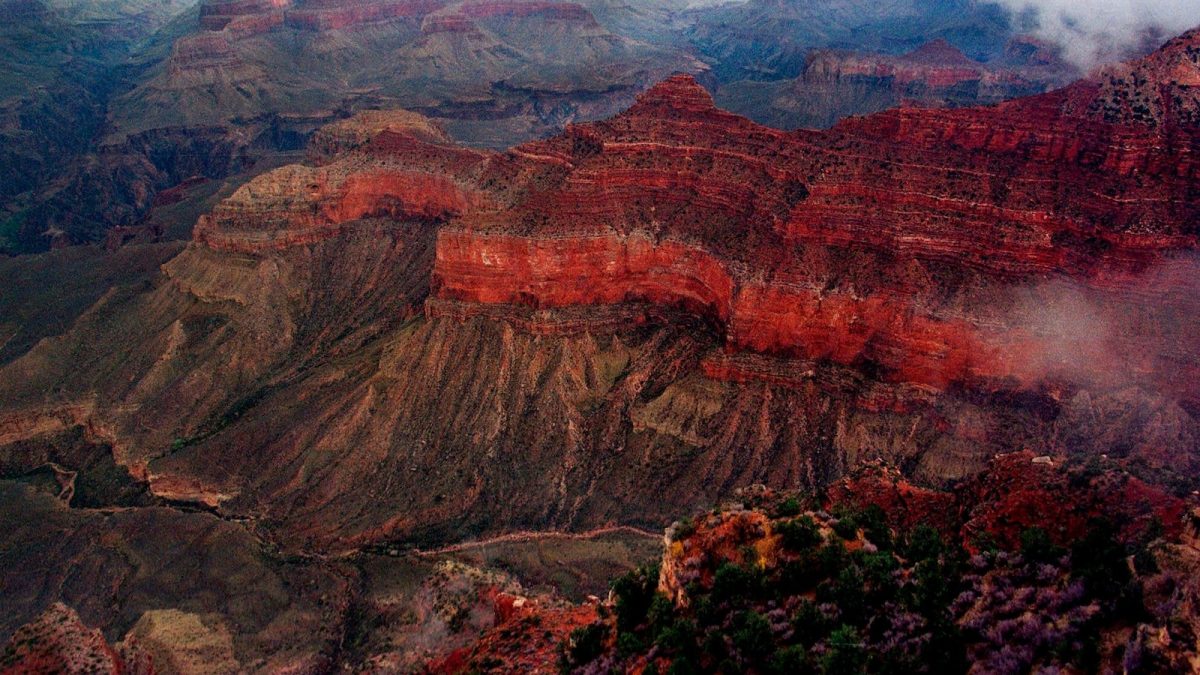
Extreme heat expected again at Grand – Grand Canyon National Park, Arizona, is bracing for another wave of intense heat after a recent spike in heat-related emergencies led to the tragic deaths of three hikers. Officials have issued warnings to visitors, urging caution as the iconic destination faces dangerously high temperatures early next week. The U.S. National Weather Service has announced an extreme heat advisory for the region, targeting midday Monday through Tuesday. Temperatures at the lower elevation Phantom Ranch are projected to climb to 110 degrees Fahrenheit (43 degrees Celsius) or higher, creating hazardous conditions for those exploring the canyon’s depths.
Heat-Related Incidents Surge, Prompting Safety Alerts
Following a notable increase in heat-related incidents, the National Park Service (NPS) has issued recommendations to hikers, advising them to avoid midday trekking. This comes as authorities highlight the severity of the situation, with three hikers losing their lives in the past two weeks. The first fatality occurred on June 12 when a 72-year-old hiker collapsed on the South Kaibab Trail, succumbing to heat-related illness. Two more hikers, aged 67 and 68, were found dead on June 16 along the North Kaibab Trail, described by NPS as the most challenging trail within the inner canyon.
“It’s just a hot place at the bottom of the Grand Canyon,” said Justin Johndrow, a meteorologist with the National Weather Service office in Flagstaff, Arizona. “The heat can be deceptive, especially for those unprepared.”
Johndrow emphasized that the inner canyon’s temperatures often exceed those at the rim by 20 to 25 degrees Fahrenheit. This disparity can catch visitors off guard, particularly when they descend into the canyon during cooler hours but then ascend back to the rim as temperatures soar. “That’s very strenuous even on a mild day,” he added. “Throw in temperatures of 105 to 110 degrees and that causes some pretty bad problems.”
Wildfire Threats Spread Beyond the Canyon
While the heat wave remains the primary concern, a separate wildfire has forced evacuations in Oak Creek Canyon, located approximately 90 miles (145 kilometers) south of the Grand Canyon. The blaze, which burned hundreds of acres just north of Sedona, Arizona, prompted city officials to urge residents and visitors to leave the area late Friday. The U.S. Forest Service closed about 30 miles (48 kilometers) of a nearby state highway, creating a temporary barrier to prevent further spread of the fire.
The fire, which has been active for days, underscores the heightened risk of wildfires in the region due to prolonged dry and hot weather. Low humidity levels, combined with above-average temperatures across much of the western U.S., have created a tinderbox environment. “At least a dozen agencies are collaborating to contain the fire,” stated the Sedona Fire Department on social media. “The conditions are extremely challenging, but teams are working tirelessly to protect the community.”
Understanding the Deceptive Nature of Hiking Conditions
Weather and park officials stress that the canyon’s hiking conditions can be misleading. While the rim may offer a cooler climate, the inner canyon becomes a furnace during peak hours. “The temperatures at the bottom can reach a fever pitch, even when the air above is relatively mild,” Johndrow explained. “This creates a dangerous environment for those who underestimate the heat.”
Experts warn that the combination of elevation changes and heat exposure can lead to rapid onset of heat-related illnesses. Hikers attempting to descend into the canyon in the morning may feel relief, but the ascent back to the rim in the afternoon brings them face-to-face with sweltering heat. “The climb is intense, and the heat can affect people quickly,” said NPS spokespersons. “It’s crucial to stay hydrated, take breaks, and monitor for symptoms like dizziness or nausea.”
As the region approaches its hottest period of the year, the National Weather Service predicts that the heat will persist before the monsoon season brings much-needed relief later in the summer. Officials are also reminding visitors to plan their trips carefully, especially during the first half of the week. “The heat is relentless, and the risks are real,” said a NPS statement. “We encourage visitors to adjust their schedules and prioritize safety.”
Community Response and Preparedness Efforts
In response to the heat crisis, local communities and agencies have intensified their efforts to support hikers and residents. Emergency services are on high alert, with additional personnel deployed to monitor conditions in both the Grand Canyon and Oak Creek Canyon. “We’ve seen a significant uptick in heat-related calls,” noted a spokesperson for the Arizona Department of Transportation. “Our teams are ready to assist anyone in need.”
Visitors are advised to carry extra water, wear sun protection, and check the weather forecast before heading out. “The heat is a constant factor, and the canyon’s conditions can change rapidly,” said Johndrow. “It’s essential to stay informed and take preventive measures.”
As the days grow warmer, the NPS continues to monitor the situation closely, with officials encouraging hikers to start their journeys early in the morning and complete them before the heat peaks. “The key is to avoid the worst of the heat,” said a NPS representative. “By planning carefully, visitors can reduce their risk and enjoy the canyon safely.”
Looking Ahead: Monsoon Season and Fire Risk
While the current heat wave poses immediate dangers, officials are also preparing for the long-term impacts of the dry season. The National Weather Service notes that the region is nearing the peak of its summer heat, which will likely strain resources and increase the risk of heat-related illnesses. Meanwhile, the wildfire in Oak Creek Canyon serves as a reminder of the interconnected challenges of extreme weather.
“The heat and fire danger are linked,” Johndrow explained. “Low humidity and high temperatures create a perfect storm for wildfires, which can quickly escalate.” He added that while the monsoon season will provide some respite, it’s not a guarantee. “We’re hoping for rain, but until then, the risk remains high.”
With both heat and fire threats looming, Grand Canyon National Park is a focal point for safety measures across the state. Visitors are being encouraged to stay vigilant, heed advisories, and adjust their expectations of the environment. As the park prepares for the next phase of the heat wave, the memory of the three hikers who lost their lives serves as a somber reminder of the canyon’s unforgiving nature.