

Trump and Cassidy Clash Over War Powers Vote in GOP Senate Session
Trump and Cassidy clash over war powers – During a tense meeting with Republican senators at the U.S. Capitol, President Donald Trump and Louisiana Senator Bill Cassidy exchanged sharp words over a pivotal war powers resolution. The discussion, which took place on June 24, 2026, highlighted internal divisions within the party as Cassidy joined four other Republicans to oppose the administration’s military strategy in Iran. The vote, which passed by a narrow 50-48 margin, aimed to curb presidential authority in declaring war, though it remains a non-binding measure. The clash underscored growing concerns about executive overreach and the need for legislative oversight, even among allies.
Heated Debate Over Executive Authority
The meeting, held in the Senate chamber, erupted into a spirited confrontation when Trump directly questioned Cassidy’s support for the resolution. According to insiders, the exchange was marked by frustration and strong opinions, with Trump accusing Cassidy of being “unreasonable” in his stance. Cassidy, however, defended his position, arguing that transparency in the Iran policy was essential for public trust. The senator emphasized that the resolution was a necessary check on executive power, a point that resonated with some lawmakers present.
“He asked why would anybody vote for the War Powers Act? As he continued, I said, ‘is that a rhetorical question, or would you like to really know?’ He said, ‘I’d like to know.’ I stood and said, ‘You have not told the American people what’s going on. It was supposed to last four weeks. It’s lasted four months. Our original objectives have not been achieved, and I want to know what’s going on,'” Cassidy recounted.
While the resolution did not alter the legal framework of war declarations, it sparked a significant debate about the balance of power between the executive and legislative branches. Trump, known for his assertive leadership style, appeared adamant that the decision to deploy military force should rest with the president, a view that clashed with Cassidy’s emphasis on congressional accountability.
Behind the Scenes: Emotional Tensions and Strategic Concerns
Under the closed-door setting, the disagreement between Trump and Cassidy took on a more personal tone. Cassidy admitted that the confrontation was emotionally charged, noting that he had “lost his temper” during the exchange. This candid admission revealed the depth of the conflict, which was not merely about policy but also about trust and communication within the Republican Party.
Trump’s reaction to the meeting was swift and public. He described the session as “really great,” praising the party’s unity despite the disagreement. “We’re very proud of the party,” he said, though he acknowledged some dissent. The president’s comments suggested a broader frustration with internal discord, particularly over how the resolution might affect his foreign policy agenda. Cassidy’s position, meanwhile, reflected a faction within the GOP that prioritizes legislative checks over executive dominance.
Analysts noted that the clash highlighted a growing rift between Trump’s aggressive approach to war and the more measured perspective of some Republicans. While the resolution passed, its impact on future military decisions in Iran remains uncertain. The meeting served as a microcosm of the broader ideological struggle within the party, with Cassidy representing a push for greater oversight and transparency.
Public Statements and Political Implications
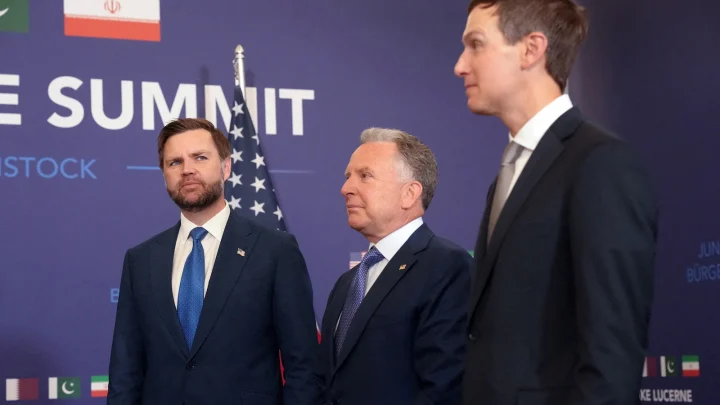
In the aftermath of the meeting, Cassidy took to social media to clarify his position, emphasizing that the resolution was not a partisan attack but a call for clarity on Iran’s situation. He cited briefings from Vice President JD Vance and Special Envoy Steve Witkoff as evidence of his informed stance. “I appreciate the quick invitation to the White House to address many of my concerns,” he wrote, reinforcing his commitment to transparency and informed decision-making.
Cassidy’s defense of the resolution positioned him as a leader advocating for legislative accountability. His remarks suggested that the clash with Trump was not just a disagreement but a reflection of differing priorities within the Republican Party. While Trump focused on maintaining executive control, Cassidy emphasized the need for congressional input, a theme that resonated with several lawmakers who supported the measure.
The resolution’s passage also raised questions about its practical implications. With the executive branch having already deployed military assets for over four months, the debate over its effectiveness became a focal point. Despite the clash, the meeting ultimately reinforced the importance of internal dialogue, even as it exposed the challenges of maintaining unity in a divided party. The episode is likely to influence future discussions on war powers and Iran policy.