
Supreme Court Says Exxon Can Sue Cuba Over $1B Property Seizure
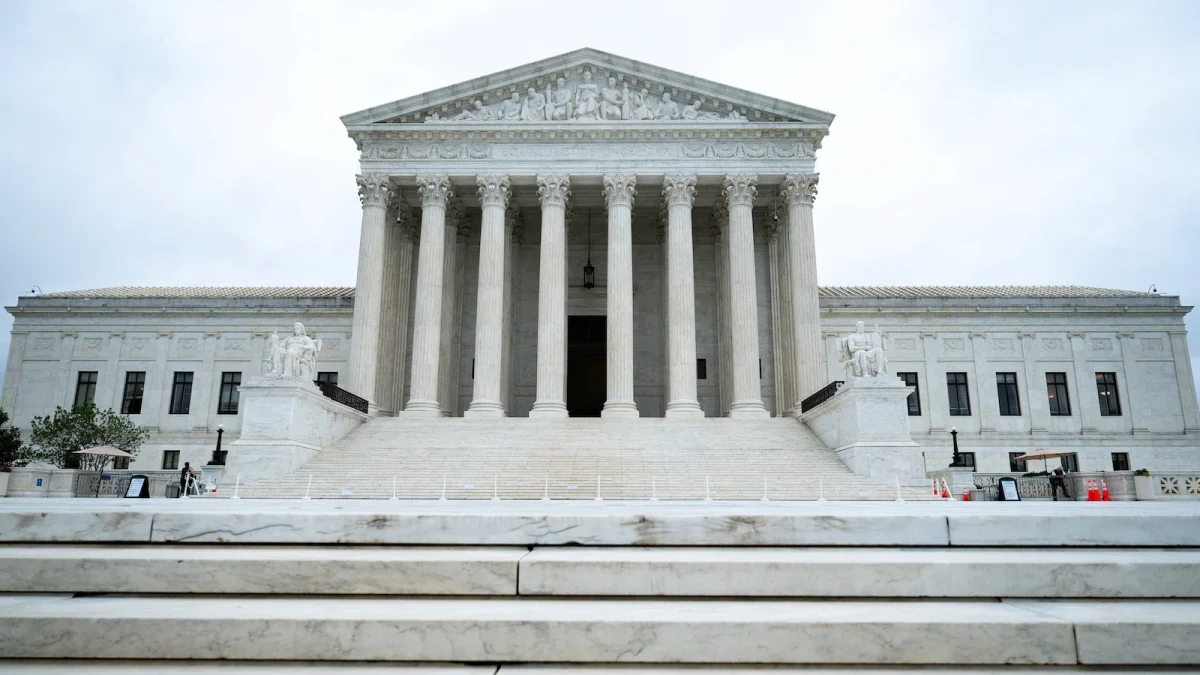
Supreme Court says Exxon can sue Cuba – Exxon Mobil has gained the green light to sue Cuba for over $1 billion in property expropriated during the communist era, according to a Supreme Court decision that could heighten U.S. economic pressure on the island. The ruling, delivered with a 6-3 vote, paves the way for private companies to challenge Cuban state claims over seized assets, reinforcing the legal tools available to American firms. Justice Brett Kavanaugh, leading the majority, emphasized that the Helms-Burton Act allows U.S. nationals to pursue lawsuits against foreign governments like Cuba without the need for additional legal exemptions. This decision is part of a broader effort to hold Havana accountable for decades of property nationalization, which began shortly after the 1959 revolution.
Legal Victory for Exxon and U.S. Claims
The Supreme Court’s ruling directly addresses the Cuban government’s assertion of sovereign immunity, which previously shielded them from lawsuits in U.S. courts. By allowing Exxon to proceed with its case, the decision signals a shift in how the U.S. enforces its legal claims against Cuba. The Helms-Burton Act, enacted in 1996, serves as the foundation for this legal action, enabling companies to seek compensation for assets taken without fair payment. The ruling strengthens the act’s relevance, particularly after President Trump revoked its waiver in 2019, enabling Exxon to file its lawsuit just months later.
“Congress intended for the Helms-Burton Act to operate independently of the Foreign Sovereign Immunities Act, ensuring that claims against Cuban entities could be pursued without unnecessary legal barriers,” Justice Kavanaugh stated in his opinion. This interpretation aligns with the U.S. government’s broader strategy to apply financial pressure on Cuba, leveraging legal mechanisms to challenge the nation’s economic policies and historical actions.
Historical Context and Legal Arguments
The case traces back to the 1960s, when Cuba nationalized private property under Fidel Castro’s regime. Exxon, which had previously operated in Cuba, lost its assets without compensation, sparking a long legal battle. The Helms-Burton Act was designed to address such expropriations, but its enforcement had been stalled by the requirement for presidential waivers. With the waiver lifted, Exxon filed its lawsuit, targeting Cuban state-owned companies that had acquired its properties. The Supreme Court’s decision underscores the act’s role in allowing U.S. firms to reclaim assets through legal channels.
During the proceedings, the Cuban government argued that the Foreign Sovereign Immunities Act should protect its entities from litigation. However, the justices dismissed this claim, emphasizing that the Helms-Burton Act explicitly overrides such protections. This ruling not only benefits Exxon but also sets a precedent for other U.S. companies seeking to pursue similar cases. The decision highlights the tension between Cuba’s claim of sovereignty and the U.S.’s ability to enforce its legal claims against the island.
“The Supreme Court’s decision confirms that the U.S. can hold Cuba accountable for its property seizures, even decades after the fact,” said legal analysts. This legal clarity could lead to more lawsuits targeting Cuban assets, further tightening economic ties between the two nations.
Broader Impact on U.S.-Cuba Tensions
The ruling adds to the existing financial strain on Cuba, which has been under U.S. sanctions for years. By allowing Exxon to sue for $1 billion in seized property, the Supreme Court’s decision amplifies the U.S.’s leverage in its ongoing diplomatic and economic standoff with Havana. The case also illustrates the long-term consequences of the 1959 revolution, as Cuba continues to face legal and financial repercussions for its nationalization policies. With the potential for more lawsuits, the U.S. could further isolate Cuba economically, pressuring its government to address past actions.
While the majority of justices supported the ruling, three liberal justices expressed dissent, arguing that the Helms-Burton Act does not clearly eliminate sovereign immunity for Cuban entities. Justice Elena Kagan noted that the law lacks the “unmistakable clarity” needed to override the Foreign Sovereign Immunities Act, suggesting that the decision might expand the scope of U.S. legal claims beyond their original intent. This split in opinions highlights the ongoing debate about how effectively the act can be used to hold Cuba accountable for its property seizures and economic policies.