
Everlane shoppers come unraveled over sale to Shein
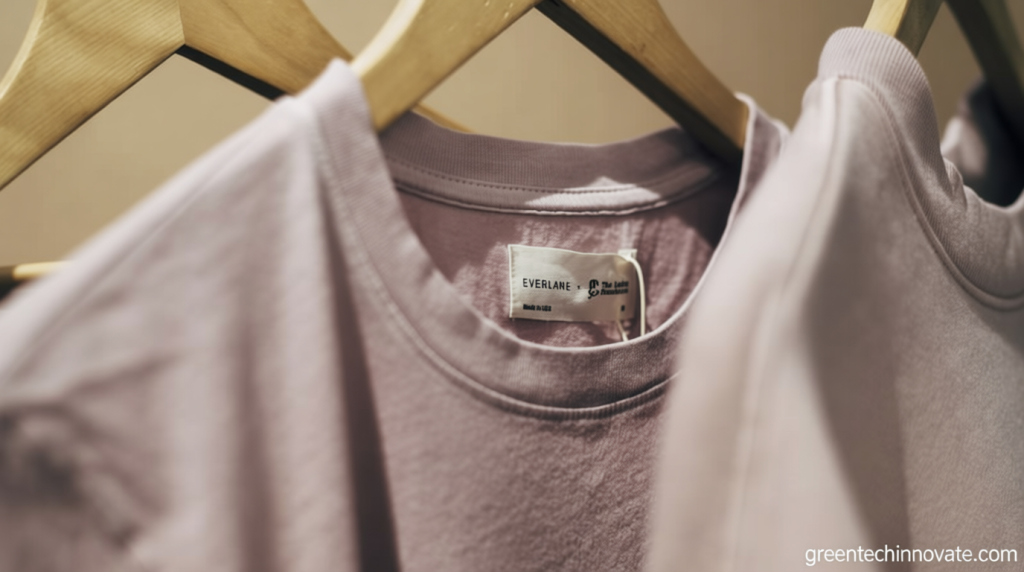
Everlane Shoppers Rattled by Sale to Shein
Everlane shoppers come unraveled over sale – Everlane, once hailed for its promise of affordable and ethically conscious clothing, faces a growing crisis of trust as reports emerge of its sale to Shein, the fast-fashion behemoth. The news has sparked outrage among customers who have long associated the brand with transparency and sustainability. For years, Everlane’s reputation was built on its commitment to breaking down pricing and production costs, making it easier for shoppers to understand where their clothes came from. Now, the idea of its future being shaped by Shein—a company often criticized for its environmental impact and labor practices—has left many feeling betrayed.
The Acquisition and Its Implications
The $100 million deal, according to Puck’s Lauren Sherman, was designed to resolve Everlane’s $90 million in debt. While representatives from Everlane, its majority owner L Catterton, and Shein have not yet confirmed the transaction, the mere possibility has ignited a wave of reactions. Social media users, including Sophie Vershbow, have expressed anxiety, with one post captioning, “Cool cool need to go buy 46 white t-shirts before the formula changes.” The image accompanying the post suggested she had only purchased three, raising questions about the brand’s evolving identity.
Everlane’s core value of “radical transparency” allowed customers to trace the origins of their garments, from material sourcing to manufacturing. This openness, combined with its focus on durable basics, made it a favorite among those seeking affordable, stylish options without guilt. However, the brand’s shift toward a new ownership could undermine these principles. Critics argue that Shein’s business model, characterized by rapid production cycles and low prices, contradicts the sustainable ethos that Everlane built its brand on.
Everlane’s Ethical Foundation
Since its launch in 2010, Everlane positioned itself as a pioneer in ethical fashion, offering products that were both accessible and well-crafted. Its initial success was driven by a simple yet revolutionary idea: to make high-quality essentials like T-shirts, jeans, and backpacks available to everyday consumers. The brand’s approach stood in contrast to luxury labels like Stella McCartney, which were often seen as the standard for sustainable style. Everlane’s appeal lay in its ability to make ethical choices feel practical and affordable.
For many, Everlane represented a bridge between affordability and sustainability. Its boxy T-shirts and sturdy jeans became staples in workwear and weekend outfits alike, without the need for a hiking trip or a hefty price tag. The brand’s transparency not only educated shoppers but also fostered loyalty, as customers felt empowered to make informed purchasing decisions. This ethos was central to its identity, especially in an industry dominated by fast fashion’s glossy, trend-driven approach.
Shawn Grain Carter, an associate professor at the Fashion Institute of Technology, emphasized the irony of Everlane’s potential acquisition. “This was a brand founded on ethical consumption,” he said. “It’s the complete opposite of what Shein stands for.” Carter pointed out that fast fashion relies on cheap labor, mass production, and minimal regard for environmental consequences. “To have a company like Shein acquire Everlane is a contradiction, especially for its core customer base that values sustainability.”
Customer Backlash and Emotional Fallout
The news of the sale has not only shaken customers but also sparked a broader conversation about brand loyalty in the face of corporate shifts. Madeleine Alizadeh, a fashion writer and founder of the small brand DariaDeh, described the situation as a “betrayal” of Everlane’s values. “It almost feels personal,” she said, reflecting on how the brand’s mission had been a source of inspiration for her. “How could they pivot so drastically?”
Kirstie Wang, a small business owner from the Bay Area, shared her emotional reaction on an Instagram reel. “I think I just really looked up to them,” she said, voice trembling. “Half my closet is Everlane, and now they’re selling to the radical opposite of what they stood for.” Wang’s frustration is emblematic of a larger concern: the erosion of trust in brands that once promised ethical practices.
Everlane’s reputation was not without its challenges. In 2020, the brand faced criticism for its transparency when convenient, with customer service employees accusing it of layoffs after unionizing. The same year, former staff members revealed accounts of anti-Black racism within the company, which were later amplified by the New York Times. These incidents, while significant, did not overshadow its initial success. Instead, they highlighted the complexities of maintaining ethical standards in a competitive market.
A Shift in the Sustainable Fashion Landscape
Everlane’s journey from a small online retailer to a household name reflects a broader trend in the fashion industry. Like Allbirds and Glossier, it began as a direct-to-consumer brand, relying on its digital platform to keep operations lean and costs low. This model allowed it to focus on quality over quantity, a strategy that resonated with a growing consumer base. However, as the market evolved, so did the challenges of sustaining such a model.
The brand’s early days were marked by a waitlist of over 60,000 potential customers for its first 1,500 T-shirts, as reported by The Strategist. This demand underscored the appeal of its minimalist designs and transparent pricing. Over time, Everlane expanded into cashmere sweaters, non-stretch jeans, and leather flats, all of which received praise from major fashion publications like Vogue and the New York Times. Its ability to blend style with substance made it a standout in an industry often criticized for superficiality.
Yet, the sale to Shein raises concerns about whether Everlane’s core values can withstand the pressures of a larger corporate entity. Shein’s reputation as a fast-fashion leader is well-documented, with frequent accusations of poor working conditions and high waste output. The sustainable fashion watchdog Good on You ranked Everlane as “good,” while Shein received a “brand to avoid” rating. This contrast has intensified customer anxiety, with many fearing that Everlane’s commitment to transparency may be compromised.
Some industry observers argue that the sale could signal a broader trend in the sustainable fashion sector. As demand for eco-friendly products grows, companies may be forced to partner with larger, more efficient brands to scale their operations. However, this shift also risks diluting the ethical messages that defined these companies in the first place. “Everlane was genuinely pioneering,” Alizadeh noted. “It made ethical fashion accessible without sacrificing quality or style.”
The Future of a Trusted Brand
As the fashion industry grapples with sustainability, the question remains: can a brand like Everlane remain true to its mission while navigating the demands of expansion? The sale to Shein may mark the beginning of a new chapter, but it also poses a challenge to the brand’s integrity. For customers who valued its straightforward approach, the news feels like a turning point. “This was how it ends,” Alizadeh said, echoing the sentiment of many who see the sale as a symbol of compromise.
While Everlane’s founders and leaders have not publicly commented on the sale, the shift has already sparked debates about the future of ethical fashion. Will the brand continue to prioritize sustainability, or will it adapt to Shein’s more profit-driven model? For now, the uncertainty lingers, with shoppers questioning whether they can still trust a company that once promised to be different. As the details of the sale unfold, the story of Everlane may serve as a case study in the delicate balance between affordability and ethical responsibility in the modern fashion landscape.
