
The Fragile U.S.-Iran Truce: A Chronology of Collapse
How the US Iran ceasefire and MOU – On Wednesday, the diplomatic arrangement between Washington and Tehran appeared to disintegrate completely as the United States executed a second wave of retaliatory military operations. These strikes targeted Iranian vessels that had been conducting commercial transit through the strategically vital Strait of Hormuz. President Donald Trump made his announcement regarding the breakdown of the agreement while attending the NATO summit, stating unequivocally that the ceasefire was finished. In his remarks, the president directed harsh criticism toward Iranian leadership, labeling them as “scum” and “sick people” in a series of pointed comments.
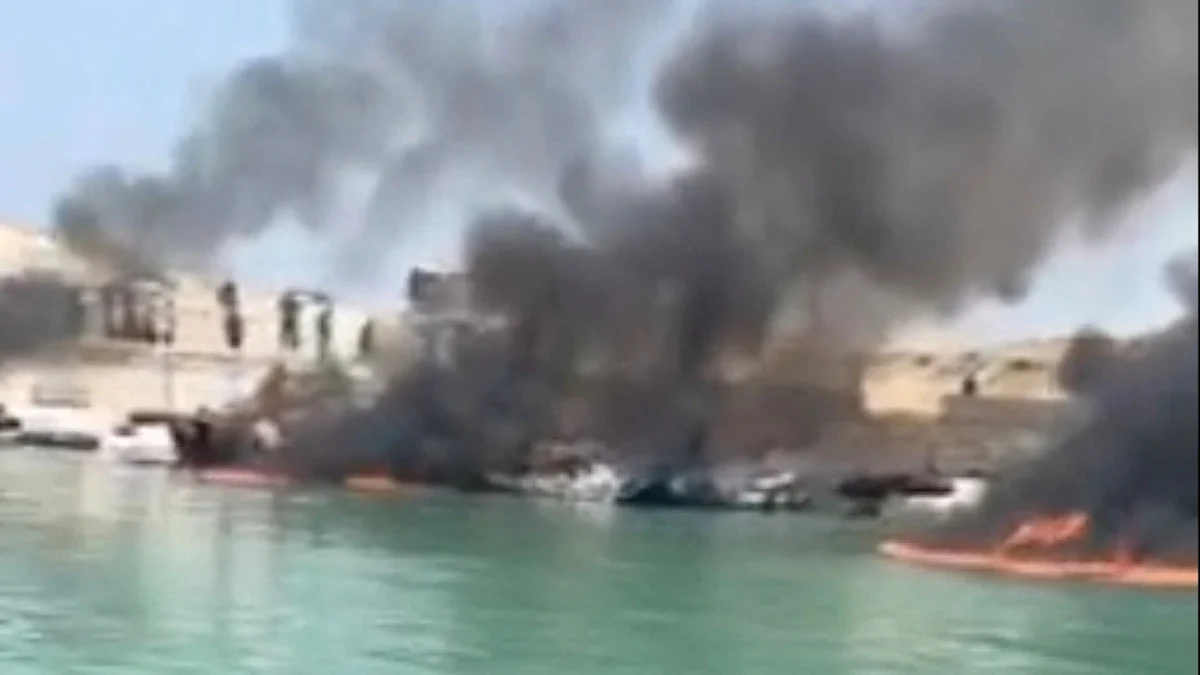
That evening, American forces intensified their military campaign, launching attacks against ninety separate targets according to U.S. Central Command. The geographic reach of the air operations expanded considerably, encompassing both the southern regions and the northeastern territories of Iran. According to Iran’s Ministry of Foreign Affairs, the bombardment included damage to two bridges within the country. Visual evidence captured smoke rising from burning vessels at a fishing pier in Banood, located in Bushehr Province, following a U.S. projectile that struck near the region’s nuclear power facility on Thursday, as documented by the deputy governor of Bushehr Province.
From Agreement to Escalation
The sixty-day truce, established through a Memorandum of Understanding reached in mid-June, had always been considered precarious. However, the most recent hostilities represent a significant departure from the measured exchanges that characterized earlier incidents. Previously, a predictable cycle emerged: Iran would target commercial shipping, prompting limited American counterstrikes, after which Tehran would direct attacks toward American Gulf allies such as Bahrain and Kuwait. This week, that established pattern fractured when the United States conducted offensive strikes against Iran for two successive nights, while Iran simultaneously launched retaliatory operations against Jordan.
Key Dates in the Conflict
The following timeline outlines the progression of events since the conflict officially entered a ceasefire phase in early April:
February 28: Hostilities commenced when Israel, supported by American intelligence capabilities, eliminated Supreme Leader Ayatollah Ali Khamenei. This event propelled both the United States and Israel into an intensive two-month aerial campaign against Iran.
April 7: President Trump publicly announced the establishment of a ceasefire. During this period, Vice President JD Vance journeyed to Pakistan to engage in high-level discussions with Iranian representatives. By late April, the initial two-week arrangement had been extended without a predetermined expiration date.
June 17: After two months of stalled negotiations, the United States and Iran finalized a fourteen-point memorandum of understanding. This interim arrangement formalized the existing ceasefire, terminated the American naval blockade, and restored commercial navigation through the Strait of Hormuz. The agreement also offered substantial economic benefits to Iran, most notably a comprehensive waiver regarding oil sanctions. The framework initiated a sixty-day window for negotiations aimed at securing a permanent settlement and addressing unresolved matters, particularly concerning Iran’s nuclear capabilities and the regulation of maritime passage through the strait. These discussions commenced in Switzerland before encountering difficulties.
June 25: Within a week of signing the framework agreement, Iran committed the first violation by launching a drone attack against a commercial vessel navigating the Strait of Hormuz. The United States interpreted this action as a breach of the ceasefire terms, responding with a series of contained military strikes.
The Strait of Hormuz quickly became the central point of contention within the agreement. The text specified that Iran must employ “its best efforts for the safe passage of commercial vessels, with no charge for 60 days only,” yet it left open the possibility of future service fees. Iranian officials have understood this provision to grant them continued authority over maritime operations in the region. Despite these challenges, the framework deal represented an attempt to stabilize relations, though recent developments suggest that stabilization may be proving elusive for both nations involved in this escalating confrontation.