
Qatar Official: U.S.-Iran Military Clash Challenges Recent Diplomatic Progress
Regional Tensions Test the June Memorandum of Understanding
US Iran strikes put into question – London — A senior representative from Qatar has expressed concerns that escalating military confrontations between the United States and Iran could undermine significant diplomatic achievements made just weeks ago. Speaking to ABC News on Thursday, Majed al-Ansari, who serves as an adviser to Qatar’s prime minister and represents the nation’s Ministry of Foreign Affairs, indicated that the renewed hostilities in the Middle East are casting doubt on essential components of the memorandum of understanding that regional powers finalized last month.
Al-Ansari made his remarks while attending the Chatham House think tank’s 2026 conference in London. He conveyed Doha’s hope that the vigorous cycle of reciprocal military strikes between Washington and Tehran would not completely destroy the diplomatic framework that had been established. However, he acknowledged that the fighting does challenge numerous elements that negotiators had already secured through their discussions.
“But it does put into question a lot of other things that we have already agreed upon,” he explained regarding the current situation.
The past two days have been particularly challenging for regional stability, according to al-Ansari, who described the atmosphere as “quite tense.” He noted that maritime navigation through the strategically vital Strait of Hormuz has essentially come to a standstill since the fighting resumed. This critical waterway serves as a crucial artery for global energy supplies, making any disruption particularly significant for international markets.
“We are urging all sides to exercise restraint and give some more time for the talks,” al-Ansari emphasized, calling for patience from all parties involved in the conflict.
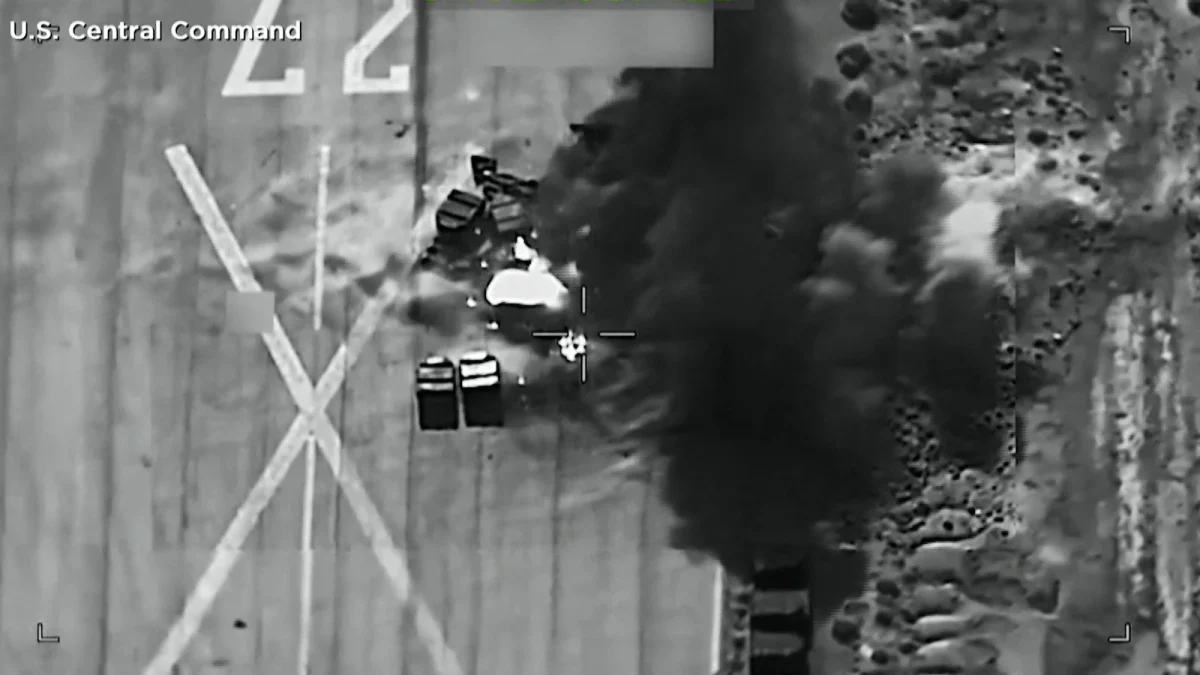
U.S. Central Command reported conducting more than 170 military strikes against Iranian targets during the previous 48-hour period. These operations were launched in response to what Washington characterized as Iranian attacks on commercial vessels navigating the Strait of Hormuz earlier in the week. Tehran has consistently denied responsibility for these maritime incidents.
Among the vessels targeted was the Al-Rekayyat, a Qatari liquid natural gas tanker, according to official statements from Doha. In retaliation for the American military operations, Iranian forces claimed to have struck U.S. military installations located in Kuwait, Bahrain, and Qatar. These exchanges represent several rounds of attacks that have occurred since the MOU was initially signed on June 17.
Al-Ansari specifically addressed Iranian allegations that fresh attacks had been directed at Qatar on Thursday. He dismissed these claims, stating that no attacks had occurred on Qatari territory. “There haven’t been any attacks in Qatar. The Iranian claims, they’re claims,” he clarified. He added that Qatar’s military forces remained highly prepared and responsive from the moment hostilities began in the region. “We had some pass overs, but nothing targeting us,” he confirmed.
“Yes, we’re not at the place that we were hoping to be at this time in the chronology of where we wanted the talks to go. But talks have not broken down,” al-Ansari stated when addressing the current diplomatic status.
President Donald Trump had suggested on Wednesday that the memorandum of understanding was effectively finished following reports of Iranian attacks. He characterized Iranian leaders as “scum” and warned of potentially intensified military operations. Despite these strong statements, al-Ansari noted that Doha and all participating parties continue their engagement in diplomatic discussions.
“But, of course, any escalation on the ground derails the diplomatic work,” he observed, highlighting the delicate balance between military action and diplomatic progress.
Qatar, working alongside Pakistan, played a instrumental role in developing the 14-point MOU that was agreed upon in June. This comprehensive agreement included provisions for reopening the Strait of Hormuz and terminating the U.S. naval blockade that had been imposed on Iranian ports. The framework also established a 60-day cessation of hostilities to allow for negotiations regarding a final comprehensive deal covering critical issues such as Iran’s nuclear program and related materials.
“The easy answer is everybody’s talking to everybody,” al-Ansari said when describing the behind-the-scenes diplomatic activity.
He explained that negotiations are proceeding across three distinct tracks: one addressing the Strait of Hormuz situation, another focusing on Iran’s nuclear program, and a third dealing with sanctions and frozen Iranian assets. “Our focus is on that diplomatic resolution right now,” he emphasized, stressing that the priority must remain on successful diplomatic engagement rather than allowing military escalation to dominate the regional landscape.
“The focus has to be on the diplomatic track working, the talks succeeding and on the end of war to pave the way for sustainable peace in our region, and not for it just to be lulls between attacks,” al-Ansari concluded, underscoring the importance of lasting peace over temporary respite from hostilities.