
Trump Pledges to Deliver July Fourth Address Despite Storm-Induced Evacuations
Weather Delays Force Crowd to Leave National Mall Event
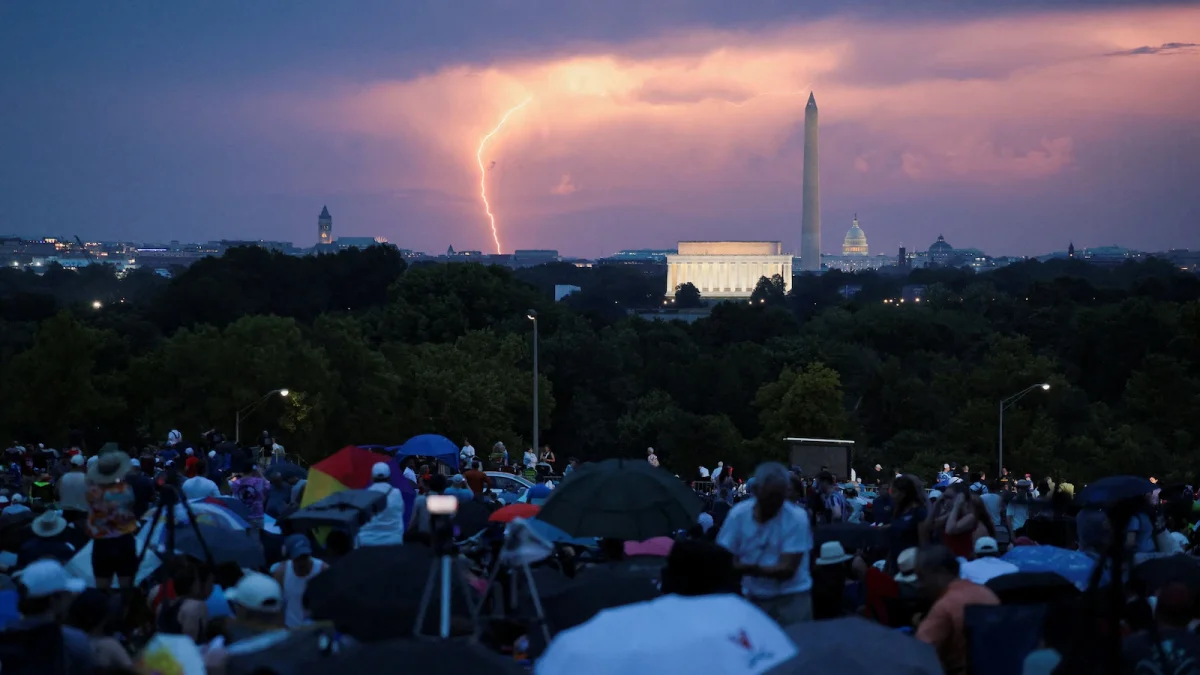
Trump vows to make July Fourth – Saturday evening brought unexpected changes to Washington, D.C.’s planned July Fourth festivities. Originally scheduled to begin at 7 p.m., the “Salute to America 250 Celebration & Fireworks” faced delays as thunderstorms swept through the area. Organizers announced that attendees would need to evacuate and the event would start two hours later at 9:45 p.m., with President Donald Trump set to speak at 11 p.m. The decision came amid rising concerns over severe weather, which had already begun affecting the National Mall and surrounding districts.
As the storm clouds gathered, the National Park Service distributed free water to eventgoers, a gesture meant to combat the sweltering heat that had pushed temperatures into the triple-digit range. The 2026 celebration marked the nation’s 250th anniversary of independence, adding a layer of historical significance to the event. However, the weather proved unpredictable, with lightning flashes and sudden downpours creating a tense atmosphere for those gathered. Organizers emphasized that safety was the primary concern, urging the crowd to seek shelter as the program was adjusted.
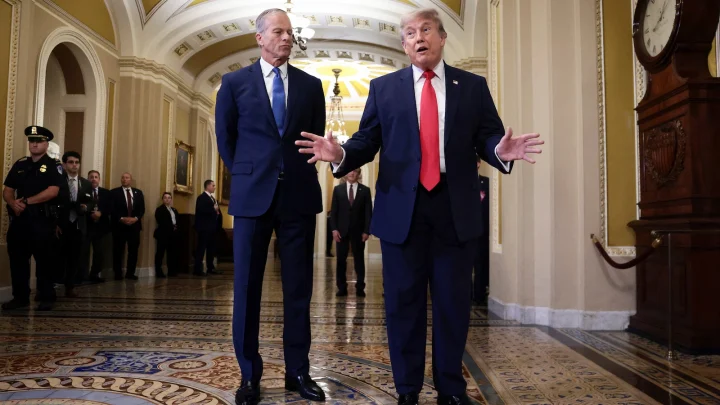
“We will wait it out, I don’t care if it’s 2:00 O’Clock in the morning, or in one hour from now,” Trump tweeted Saturday night. The social media post reflected his determination to see the event through, even as conditions worsened.
President Assures Crowd: Storms Add to the “Excitement”
In a separate statement, Trump added a lighthearted tone to the situation, claiming that “storms bring luck to whatever the occasion.” He further remarked, “It’s Saturday night, LETS HAVE SOME FUN, even if we are out late tonight. They say 11:00 O’Clock for the speech. Who cares???” The president’s comments highlighted his ability to pivot from crisis to celebration, a pattern seen in his previous public engagements.
While some attendees expressed frustration over the changes, others embraced the spontaneity. A few remained in their seats, chanting “USA” as military flyovers continued overhead. The crowd’s mixed reactions underscored the event’s role as a unifying moment, even amid disruptions. Despite the delays, the core elements of the celebration—fireworks, speeches, and flyovers—were still in place, though some performances were postponed or canceled.
Heat Wave and Storms: A Double Challenge
The day’s events were shadowed by an extreme heatwave, with Washington, D.C., recording a preliminary high temperature of 102 degrees—its hottest July Fourth on record. This surpassed the previous record of 100 degrees, set on July 4, 1919, according to ABC News meteorologists. The heat, combined with the forecasted storms, created a challenging environment for organizers.
As the evacuation orders were issued, confusion rippled through the crowd. Some attendees hesitated, opting to capture photos of the military flyovers rather than leave immediately. The National Mall, a central hub for patriotic celebrations, became a site of both urgency and admiration. Signage and security fencing warned visitors of potential explosives along the Lincoln Memorial Reflecting Pool, a precaution taken to ensure the safety of the event’s participants.
Freedom 250 Organizers Highlight Safety Measures
Freedom 250, the group behind the festivities, reiterated their commitment to safety in a statement. “The safety of our guests, performers, and staff is our top priority,” said Danielle Alvarez, the organization’s spokesperson. The temporary pause of the event was mandated by the U.S. Secret Service, which coordinated the evacuation efforts. This move was critical in preventing potential hazards from the severe weather, though it altered the timeline of the president’s appearance.
Earlier in the day, Trump had addressed the intense heat on social media, downplaying its severity. “Despite the heat, which isn’t as bad as predicted, the crowds in D.C. are INCREDIBLE,” he posted Saturday afternoon. The president’s focus on the event’s popularity, rather than the weather, resonated with many who had braved the sweltering conditions to attend. However, as the evening progressed, the combination of heat and storms forced a more significant shift in plans.
Related Events and National Celebrations
The July Fourth disruptions were part of a broader trend of severe weather across the eastern U.S. Millions of Americans were preparing for storms that could impact multiple states, with some regions facing potential flooding and high winds. Meanwhile, the Disney Celebrates America live updates provided additional context for the nation’s patriotic events, highlighting the scale of the celebrations nationwide.
As the National Mall buzzed with activity, the sight of the White House in the distance became a symbol of the evening’s challenges. Attendees, once gathered for the grand finale, now navigated the logistics of sheltering from the storm. The delay in the program also affected the timing of the fireworks display, which was originally planned to coincide with Trump’s speech. Organizers worked swiftly to adjust the schedule, ensuring that the event’s highlights could still be enjoyed despite the setbacks.
Historical Context and Future Implications
The 250th anniversary of U.S. independence added a layer of historical significance to the festivities, drawing attention from both domestic and international audiences. While the July Fourth celebration was a key event, the weather disruptions raised questions about the resilience of large-scale public gatherings. The National Park Service employee distributing water at the National Mall was one of many on-site efforts to manage the situation, reflecting the adaptability required of event organizers.
As the evening unfolded, the interplay between the storm and the celebration became a defining moment for the 2026 festivities. The decision to delay Trump’s speech underscored the organizers’ prioritization of safety, even as the president demonstrated his willingness to accommodate the change. With the program adjusted and the crowd’s spirit intact, the event continued to showcase the enduring enthusiasm for national holidays, despite the unexpected challenges. The final hours of the evening would see the return of the fireworks, though the timeline had shifted, leaving attendees to adapt once more.
Amid the chaos, the Salute to America 250 event remained a testament to the nation’s resilience. Whether through the president’s public assurances, the organizers’ rapid response, or the crowd’s determination to stay until the end, the celebration highlighted the blend of tradition and adaptability that defines American festivities. As the National Mall slowly filled with people once again, the promise of a grand finale lingered, even if it arrived later than expected.