
Trump Cancels Signing of Bipartisan Housing Bill Until SAVE America Act Passes
Trump cancels signing of bipartisan housing – President Donald Trump has delayed the finalization of a bipartisan housing reform bill, stating he will not sign it until Congress approves his signature election and voting reform legislation, the SAVE America Act. Originally scheduled to take place on Wednesday at noon on Capitol Hill, the event was abruptly canceled just hours before its planned start. The president announced his decision on social media, framing the delay as a necessary step to address what he described as a national emergency in the electoral process.
According to a post on Trump’s platform, the signing ceremony was “hereby cancelled until such time as we pass the desperately needed SAVE AMERICA ACT, which I consider to be a National Emergency.” This statement underscores his belief that the legislation is more critical than the housing bill. Despite the cancellation, the bipartisan housing package has already passed both the House and Senate with strong support, leaving the fate of the bill in Trump’s hands. The delay could force Congress to revisit the legislation or risk a pocket veto if the session adjourns before the 10-day window expires.
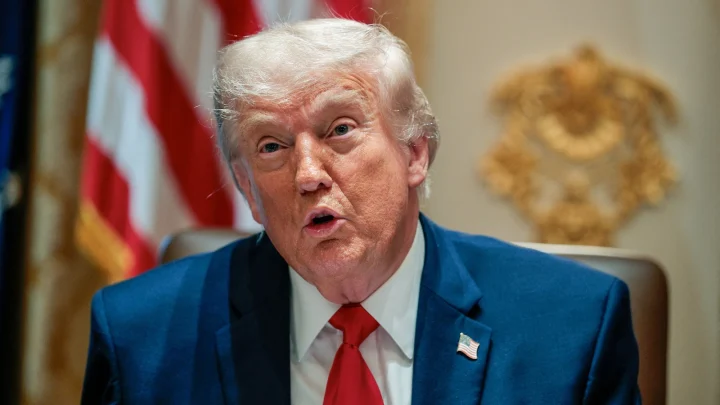
During a pre-scheduled meeting with NATO Secretary-General Mark Rutte, reporters pressed Trump on his stance regarding the housing bill. He reiterated his position, stating he would not sign it until the SAVE America Act is enacted. When asked if he would veto the bill, Trump remained noncommittal, but he did highlight his expertise in the housing sector. “I made billions of dollars with housing,” he said, “and I know housing better than anybody maybe anywhere. It’s all about the interest rate. Lower the interest rates, you can have all the housing you want.”
“Low interest rates will solve everything, will solve that,” Trump added, referring to the housing crisis. “Now, despite that, we’re doing well with housing.”
This declaration positions Trump as a proponent of market-driven solutions, emphasizing the role of interest rates in shaping housing affordability. However, critics argue that the SAVE America Act’s provisions could have a more immediate impact on the nation’s housing challenges. The act aims to implement significant election reforms, including mandating photo identification at polling places and requiring proof of citizenship for voter registration. These measures are designed to enhance election security, though they have drawn criticism from Democrats who view them as restrictive.
Trump’s insistence on delaying the signing of the housing bill reflects his broader strategy to prioritize his legislative agenda. Since March, he has maintained that the SAVE America Act “supersedes everything else,” a sentiment reinforced in a separate social media post earlier Wednesday. In that message, he ranked the housing bill as “of minor importance” compared to other priorities, such as the reauthorization of the Foreign Intelligence Surveillance Act and the SAVE America Act. He also criticized the legislation as “Warren centric,” a reference to Democratic Senator Elizabeth Warren, one of the bill’s co-sponsors.
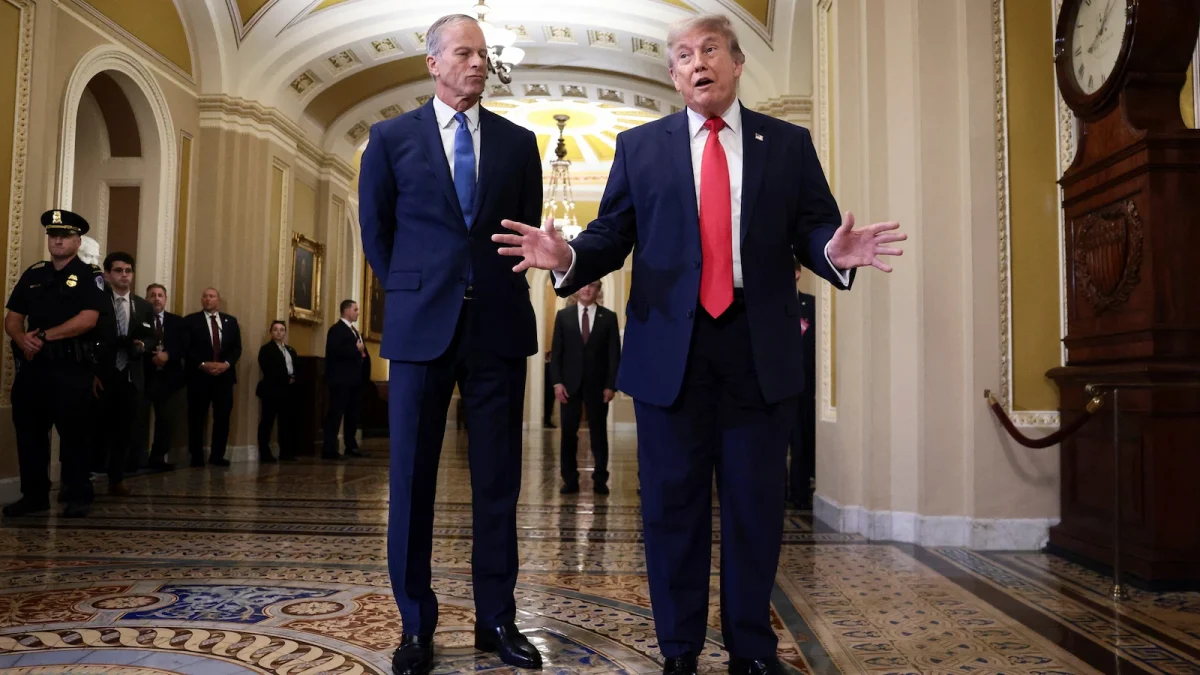
Senate Majority Leader John Thune has remained steadfast in his position, noting that Republicans lack the votes to pass the SAVE America Act without eliminating or modifying the filibuster. While Trump has pushed for such changes, Thune has not yet relented, creating a standoff that could prolong the legislative process. Meanwhile, House Speaker Mike Johnson expressed confidence that Trump would eventually sign the housing bill, stating that the president’s decision to cancel the signing ceremony was “an important point” to emphasize the importance of secure elections.
Johnson’s comments highlight the tension between Trump’s priorities and the broader legislative goals of Congress. “The American people want safe and secure elections,” he said, “and the SAVE America Act does that.” This sentiment suggests that while the housing bill may have broad support, Trump’s insistence on linking its approval to the passage of his election reforms could test the patience of lawmakers. The housing legislation, known as the 21st Century Road to Housing Act, includes provisions to limit the influence of large investors in the housing market and ease regulatory burdens to increase supply.
Once signed into law, the bill would require major investors to scale back their purchase of single-family homes, aiming to prevent market speculation and stabilize prices. At the same time, it would loosen certain building regulations to encourage development and address the nationwide shortage of affordable housing. These measures are intended to create a more balanced housing market, though their effectiveness remains a topic of debate among experts and lawmakers.
Trump’s actions have drawn mixed reactions from political figures. Democratic Senator Elizabeth Warren responded to the cancellation of the signing ceremony, writing on X: “Huge bipartisan majorities in Congress passed a bill to lower housing costs. But at the 11th hour, Donald Trump is refusing to sign it into law. His policies have made your costs go up — and he doesn’t care.” Warren’s critique highlights the potential impact of Trump’s delay on the housing affordability crisis, which has already placed strain on families and renters across the country.
Despite the controversy, the housing bill’s passage with a veto-proof majority signals its likelihood of becoming law unless Trump takes decisive action. The bipartisan support for the legislation, however, has not swayed the president, who continues to frame his political decisions as necessary for national stability. This dynamic raises questions about the role of executive influence in the legislative process and whether Trump’s emphasis on the SAVE America Act will ultimately override his commitment to housing reform.
As the situation unfolds, the focus remains on the interplay between Trump’s priorities and the broader interests of the American public. The SAVE America Act, if passed, would mark a significant shift in election regulations, potentially reshaping the landscape of voting access and ballot security. Meanwhile, the housing bill’s delay could have ripple effects on the economy, affecting home prices, rental markets, and the construction industry. With Congress set to reconvene and the president’s ultimatum in place, the resolution of this standoff will be closely watched by both political analysts and everyday Americans.
Looking ahead, the possibility of a pocket veto looms large if the legislative session concludes before the 10-day deadline. This scenario would effectively kill the housing bill without a presidential signature, leaving its provisions to be debated again. The situation also underscores the importance of the filibuster in shaping the outcome of major legislation, as Republicans have been reluctant to abandon it despite its potential to block the housing bill.
Amid these developments, the SAVE America Act continues to serve as a focal point for Trump’s political strategy. By positioning it as a national emergency, he seeks to justify his delay and rally support for its passage. The act’s requirements, such as photo ID laws and citizenship verification, are part of a larger effort to curb voter fraud and ensure election integrity. While these measures align with Trump’s vision, they also face criticism for potentially disenfranchising certain voter groups.
As the debate over the SAVE America Act intensifies, the housing bill remains a symbol of the tension between Trump’s policy priorities and the bipartisan consensus on housing reform. The president’s decision to cancel the signing ceremony has sparked discussions about the role of leadership in legislative negotiations and the extent to which his personal agenda will shape the outcomes of major bills. With the American people’s interests at stake, the resolution of this conflict could have lasting implications for both the housing market and the electoral process.