
Uncertainty clouds next step in US-Iran negotiations
Uncertainty clouds next step in US Iran – As tensions continue to simmer between the United States and Iran, the path forward for diplomatic talks has become increasingly unclear. Key negotiators from both sides are now set to convene in Qatar, but conflicting statements from officials have raised doubts about the meeting’s purpose and outcome. The shift in focus from the original Swiss location to Doha has sparked questions about whether the discussions will address the core issue of Iran’s nuclear program or be dominated by the ongoing dispute over the Strait of Hormuz. This uncertainty comes at a critical juncture, with the peace process now facing challenges that threaten to stall progress.
Key Players in the Negotiations
The U.S. delegation, led by Special Envoy Steve Witkoff and Jared Kushner, is expected to engage in both high-level and technical dialogue with their Iranian counterparts. However, the Iranian side has offered a different perspective. Esmail Baghaei, a spokesperson for Iran’s foreign ministry, emphasized that the planned trip to Qatar was unrelated to the presence of Kushner and Witkoff. According to Baghaei, the Iranian delegation would travel to Doha to discuss the implementation of an interim agreement, not to negotiate directly with U.S. officials. This divergence in messaging has left the international community guessing about the true intent of the talks.
“There are no negotiation meetings with the U.S. side at any level scheduled in the coming days,” Baghaei asserted, underscoring Iran’s reluctance to resume face-to-face discussions. His statement contrasts sharply with the enthusiasm expressed by Trump administration officials, who have been pushing for direct engagement to resolve lingering disputes.
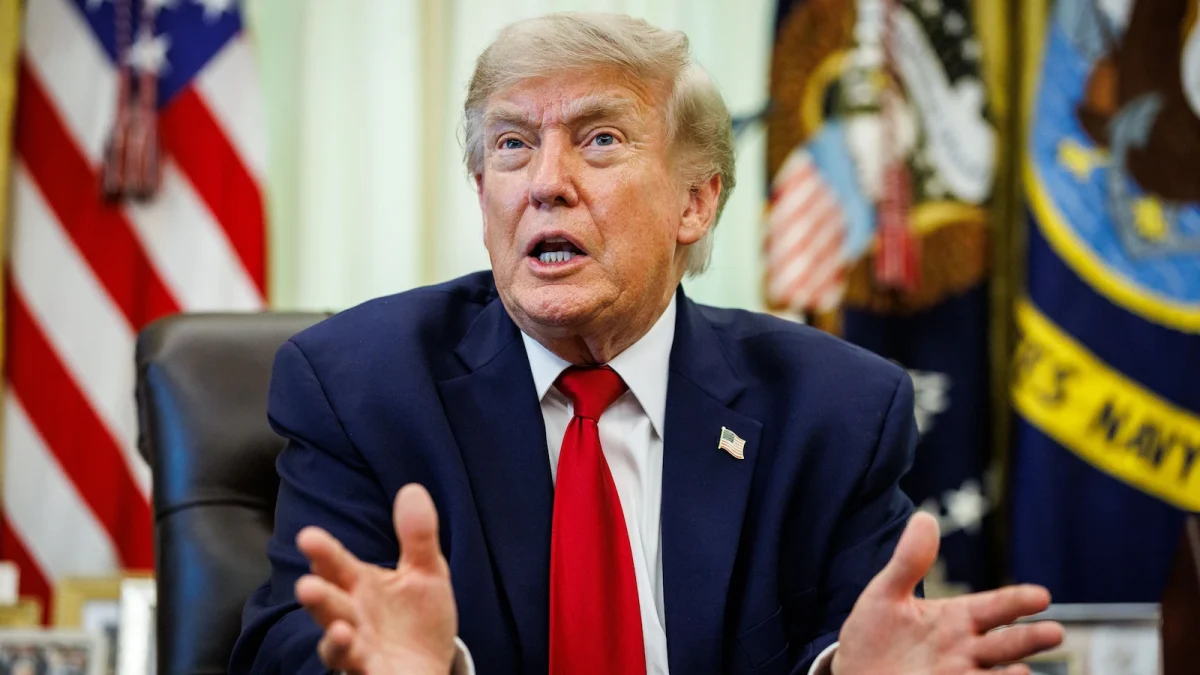
President Donald Trump, known for his assertive foreign policy, has made clear his desire to reach a resolution. In a social media post on Monday, he announced the Qatar meeting, declaring, “IRAN HAS REQUESTED A MEETING. IT WILL TAKE PLACE TOMORROW IN DOHA!” This public endorsement highlights the administration’s commitment to advancing the peace process. However, the details of the meeting remain ambiguous, with some reports suggesting that communication might occur through Qatari intermediaries rather than direct dialogue.
The Interim Agreement’s Terms
The interim deal, signed earlier this month, outlined specific conditions for Iran’s nuclear program and the strategic waterway. Under the agreement, Iran is required to ensure the safe passage of commercial vessels for 60 days without charges, from the Persian Gulf to the Sea of Oman and vice versa. This provision aims to ease concerns about the strait being used as a chokehold for economic and military purposes. Yet, despite this framework, Iran has demonstrated its ability to disrupt the flow of goods, most recently by attacking a container ship in the region.
Following the attack, a four-day exchange of strikes between the U.S. and Iran intensified, further complicating efforts to stabilize the strait. The Trump administration is determined to restore pre-strike conditions, but sources indicate that recent intelligence suggests Tehran may continue its threats. This dynamic has given Iran significant leverage over global trade, as the strait remains a vital artery for oil shipments. The recent strikes have not only affected shipping but also signaled Iran’s readiness to use military force if diplomatic talks falter.
While the memorandum of understanding sets a 60-day deadline for a comprehensive agreement, nearly a quarter of that time has already passed. The interim deal allows for extensions, but Trump has repeatedly criticized delays, insisting that Iran must not prolong negotiations. “We’re negotiating from a position of pure strength, pure strength. They know that,” he stated on Thursday, framing the U.S. as the dominant force in the talks. This confidence may pressure Iran to make concessions, but the country’s apparent hesitation to engage in direct talks suggests a strategic calculation.
Implications for the Global Economy
Iran’s control over the Strait of Hormuz has long been a focal point of international diplomacy. The recent attacks on commercial vessels have underscored the risks of a prolonged conflict, with oil prices and global supply chains already feeling the strain. A senior U.S. official told ABC News that the administration remains hopeful about resolving the issue, but the lack of clear communication from Iran complicates this optimism. The Qatari-mediated meetings, while a step toward dialogue, may not be enough to address the underlying tensions.
Despite the uncertainty, some progress has been noted. After the Swiss talks, Vice President JD Vance reported that discussions had laid a “good foundation for a successful final deal.” The agreement included provisions for a mechanism to keep the strait open, a key demand for both sides. However, the recent strikes have tested the resilience of this framework, with Iran’s repeated threats to close the waterway remaining a point of contention. The U.S. is now racing to secure a deal before the deadline expires, but the conflicting messages from officials suggest that time may be running out.
As the negotiations unfold, the role of Qatar as a mediator has become more prominent. The Gulf state’s involvement is crucial, given its strategic position and diplomatic neutrality. Yet, the Iranian delegation’s emphasis on its own agenda has raised questions about whether Qatar can effectively bridge the gap between the two nations. The meeting in Doha represents a rare opportunity to de-escalate tensions, but the success of these talks will depend on the clarity of the discussions and the willingness of both sides to compromise.
In the broader context, the U.S.-Iran negotiations reflect the complex interplay of diplomacy and military strategy. While the interim agreement offers a pathway to a lasting resolution, the ongoing strikes and conflicting messages have created a cloud of doubt. The fate of the peace process now hinges on whether the parties can align their priorities and move beyond the immediate disputes to address long-term interests. For now, the world watches as the talks in Qatar unfold, hoping for a breakthrough that could ease the pressure on the Strait of Hormuz and restore stability to the region.
Meanwhile, the public discourse around the negotiations has not been limited to diplomatic channels. Media coverage and political commentary have amplified the stakes, with some analysts warning of the potential consequences if the talks fail. The administration’s determination to act decisively, combined with Iran’s strategic patience, creates a delicate balance that could determine the outcome of these critical discussions. As the deadline approaches, the need for transparency and cooperation has never been greater.