
Park Service Resumes Efforts to Remove Algae from Reflecting Pool
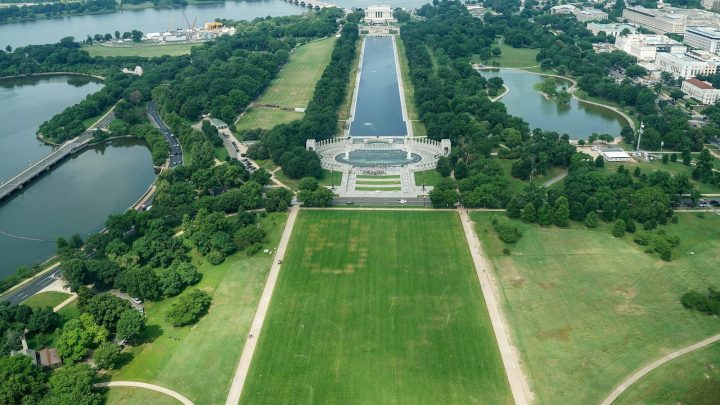
Park Service continues to battle algae – On Tuesday, the National Park Service launched renewed efforts to eliminate algae from the Lincoln Memorial Reflecting Pool, which had turned a vibrant blue to a greenish hue just days after its recent renovation. Tourists and nearby residents observed the unusual coloration, raising concerns about the water’s clarity and the visual appeal of the iconic landmark. The Department of the Interior has enlisted advanced methods, including hydrogen peroxide treatment and nanobubble ozone technology, to address the issue, according to a spokesperson for the agency.
Algae Bloom Details
The algae outbreak occurred late last week, shortly after the pool’s revitalization on June 14, 2026. The sudden green tinge and murky appearance have sparked debates about the effectiveness of the $15 million renovation project, which was originally intended to modernize the pool’s infrastructure ahead of America’s 250th anniversary. While the National Park Service aims to restore the pool’s original aesthetic, the algae’s presence has drawn criticism, particularly from those who had high hopes for the project’s completion.
“The algae is residual and comes from reactivated supply lines,” stated a DOI spokesperson in a statement provided to CNN. “It’s not a sign of failure but a challenge we’re actively addressing.”
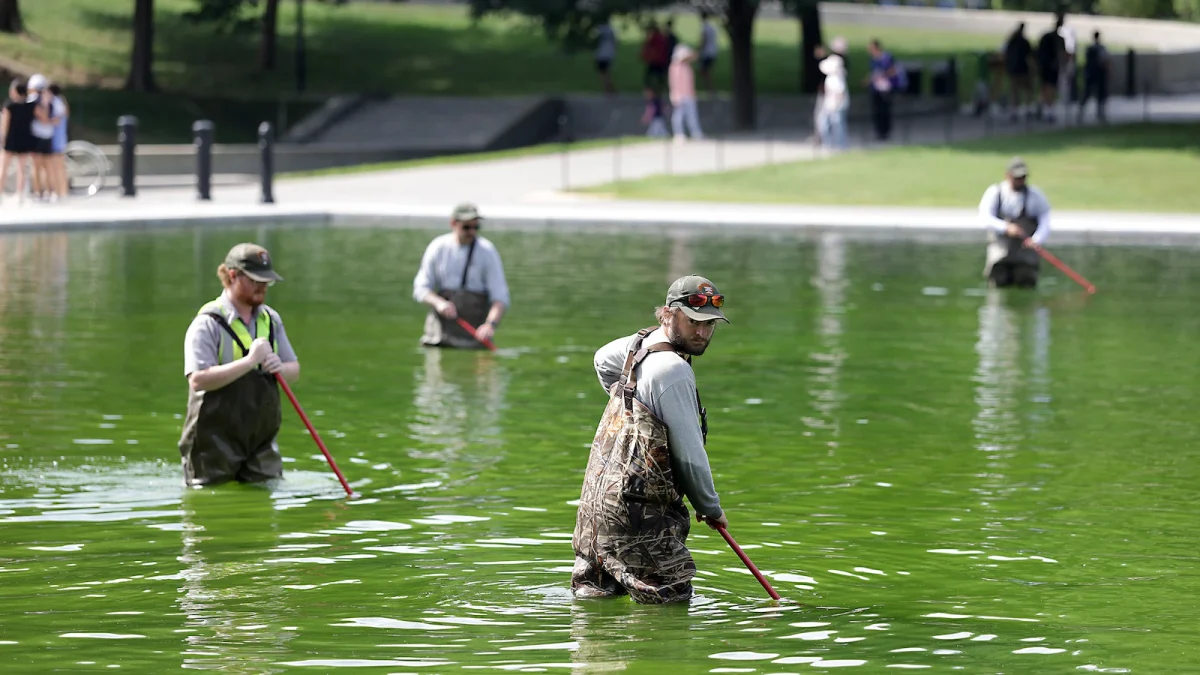
Workers were seen applying hydrogen peroxide to the pool’s surface early Tuesday, as captured in videos shared on X. The treatment, combined with nanobubble ozone technology, is designed to target algae blooms and other contaminants. The nanobubble system generates microscopic ozone-filled gas bubbles that break down organic matter and prevent future growth. Meanwhile, rangers manually scraped algae from the pool’s bottom, using a tubing system to siphon polluted water into storm drains.
Renovation Context
The renovation, which involved resurfacing the pool and upgrading its filtration system, was a flagship project under the Trump administration. The plan had initially aimed to complete the work in time for the 250th anniversary of the United States, but it expanded significantly. Federal contract records reveal that the project now exceeds its original budget, with the government spending $1.7 million in April to install the new filtration technology.
White House spokeswoman Taylor Rogers emphasized that the algae issue is temporary. “Under regular NPS maintenance, a high-tech nanobubble ozone system will ensure the Reflecting Pool remains crystal clear,” she said. Despite these assurances, the algae’s reappearance has cast a shadow over the administration’s efforts to showcase its improvements. Trump himself had previously praised the pool’s transformation, calling it “going to have the great color” and criticizing past renovation attempts as inadequate.
Public Reaction and Legal Challenges
The algae problem has not only affected the pool’s appearance but also drawn public scrutiny. A new lawsuit has been filed, challenging the administration’s plans for the “National Garden of American Heroes,” a broader initiative that includes the Lincoln Memorial Reflecting Pool. Critics argue that the project’s cost overruns and unforeseen issues, such as the algae bloom, have tarnished its legacy.
Local residents, like longtime Washington dweller Redmond Walsh, have shared their perspectives. Walsh, who cycled past the pool on Tuesday, noted the change in water color and expressed disappointment. “It’s a shame to see the pool looking like that after all the work,” he told ABC News. The algae’s presence has also sparked discussions about the long-term sustainability of the renovation, with some questioning whether the new systems will prevent similar issues in the future.
Historical and Technical Background
The Lincoln Memorial Reflecting Pool has a history of algae-related challenges. The pool’s 1920s design, featuring a broad and shallow basin, creates an environment where algae and Cyanobacteria thrive, especially during warm summer months. Previous attempts to combat this issue include President Barack Obama’s 2012 renovation, which cost $35 million and introduced a plumbing system to draw and purify water from the Tidal Basin. However, even that effort was not entirely successful in preventing recurring algae problems.
Greenwater Services, an Ohio-based company specializing in water purification and nanobubble technology, was contracted to assist with the current cleanup. Employees from the firm were on-site Tuesday, collecting water samples in plastic bottles for analysis. The company’s involvement highlights the reliance on innovative solutions to maintain the pool’s pristine condition. Despite these measures, the algae remains a persistent issue, requiring ongoing attention from the National Park Service.
The algae outbreak has also prompted a review of the pool’s maintenance protocols. A Park Service ranger explained that the cloudy water was a result of stirred-up algae that had not yet been fully removed. The spokesperson added that hydrogen peroxide, a key component of the treatment, poses no threat to marine life or the environment. This reassurance aims to allay fears about the ecological impact of the cleanup efforts.
As the Park Service continues its efforts, the focus remains on balancing the pool’s aesthetic appeal with its functional needs. While the algae has disrupted the planned celebration of the 250th anniversary, the agency is determined to restore the landmark to its former glory. The situation underscores the complexities of large-scale public projects and the challenges of maintaining natural beauty in urban settings.
The Lincoln Memorial Reflecting Pool, a symbol of American heritage, now faces a dual challenge: not only to remove the current algae bloom but also to ensure that future maintenance prevents such issues. The combined use of chemical treatments and advanced technology reflects a multi-pronged approach to conservation. Yet, the public’s perception of the project’s success may hinge on how quickly the pool returns to its original state. With continued efforts from the National Park Service and its partners, there is hope that the algae issue will be resolved, allowing the pool to once again serve as a fitting backdrop for national celebrations.