
Woman Killed by Alligator in Florida River, Officials Confirm
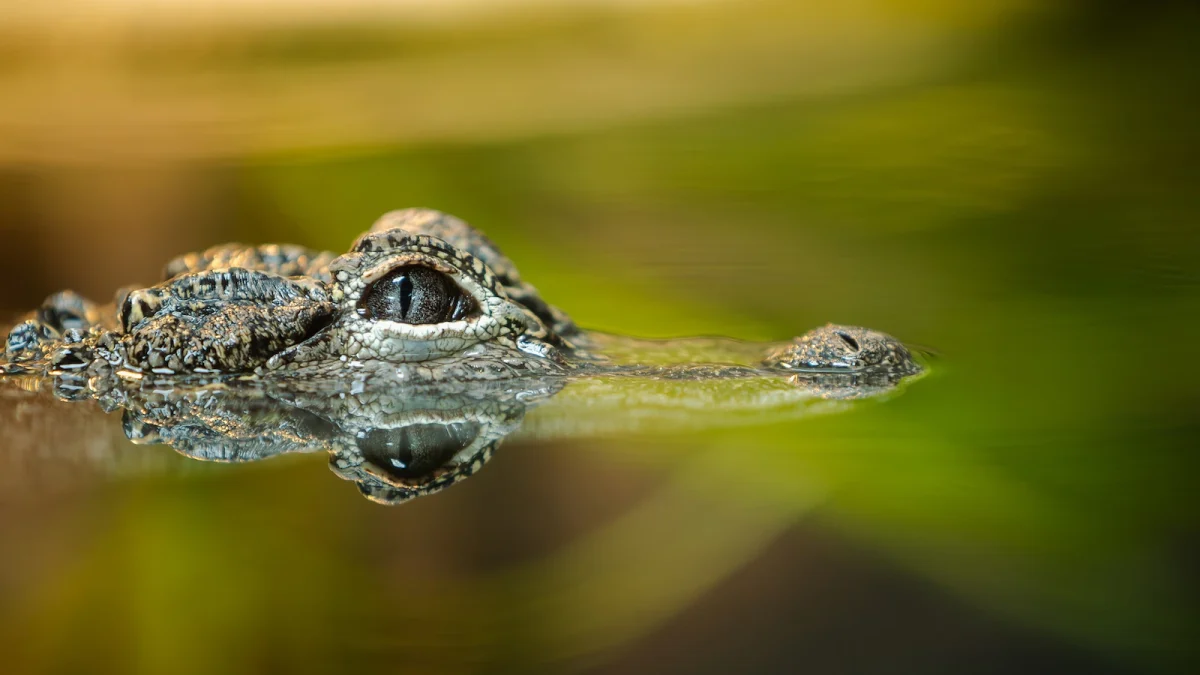
Woman killed by alligator in Florida – A tragic incident occurred in Seminole County, Florida, when a woman was fatally attacked by an alligator while swimming in the Econlockhatchee River, officials stated. The attack took place on Sunday, near the city of Orlando, according to the Florida Fish and Wildlife Conservation Commission (FWC). The victim, whose identity has not yet been disclosed, was pronounced dead at the hospital after sustaining severe injuries from the encounter.
Details of the Attack
The FWC confirmed that the woman was in the river when the alligator struck. Authorities have not yet released specifics about the circumstances of the attack, but the incident has raised concerns about the safety of waterways in the region. The Econlockhatchee River, which flows through central Florida, is known for its population of large alligators, though such attacks are relatively rare. The commission emphasized the importance of vigilance, particularly during warmer months when alligators are more active.
“We extend our deepest sympathies to the family and loved ones of the victim during this difficult time,” said a spokesperson for the FWC. “While these incidents are uncommon, they serve as a reminder of the risks associated with swimming in natural water bodies.”
Efforts to locate and capture the alligator responsible for the attack are currently underway. Wildlife experts are working alongside local authorities to determine if the creature was a known threat or if it was an opportunistic strike. The FWC has also urged residents and visitors to take precautions, such as avoiding swimming in areas where alligators are commonly spotted and keeping a safe distance from the animals.
Context of Recent Incidents
This incident follows another deadly wildlife encounter in the same week, involving a 28-year-old man who was killed by a crocodile on a popular beach in Puerto Vallarta, Mexico. The man’s death occurred two days prior to the Florida attack, highlighting a growing pattern of predator-related fatalities in both freshwater and coastal environments. While the two events are geographically distinct, they underscore the increasing frequency of such incidents globally.
Wildlife experts suggest that the combination of warmer weather and the migration of animals closer to human-populated areas contributes to these accidents. In Florida, alligators are often seen near rivers, lakes, and even residential neighborhoods, especially during the summer months. The Econlockhatchee River, in particular, has been a site of several alligator sightings in recent years, though none have resulted in fatal outcomes until now.
Investigation and Response
The FWC is conducting a thorough investigation into the attack, including reviewing surveillance footage and analyzing the gator’s behavior. Officials are also evaluating the safety measures in place at the river, such as signage warning of alligator activity and the presence of safety patrols. “We are working closely with local communities to ensure that preventive steps are taken to minimize future risks,” added the FWC spokesperson.
Meanwhile, the woman’s family has been notified of the incident, and a memorial service is being planned. The tragedy has sparked discussions about the need for better public awareness campaigns regarding wildlife encounters. Local residents expressed shock at the event, with some recalling similar stories from the past. “It’s always a possibility, but it’s heartbreaking to see it happen so suddenly,” said a neighbor who witnessed the attack.
Environmental organizations have called for increased funding to support alligator monitoring programs. These initiatives could help identify high-risk areas and educate the public on how to avoid dangerous situations. In addition, some experts argue that habitat destruction and urban expansion have forced alligators into closer proximity with humans, increasing the likelihood of such incidents.
Broader Implications
The Florida attack comes amid a series of alligator-related incidents across the United States, particularly in the southeastern region. In 2023 alone, there were over 100 reported attacks, with several resulting in injuries or deaths. While most encounters are non-fatal, the increasing number of cases has led to greater scrutiny of wildlife management policies.
Scientists note that alligators play a crucial role in maintaining the balance of aquatic ecosystems, but their interactions with humans can become perilous. “These animals are apex predators, and they’re highly adaptive,” explained Dr. Maria Thompson, a herpetologist specializing in Florida’s wildlife. “When their natural habitats are disrupted, they may seek food in human areas, which can lead to unexpected encounters.”
Residents near the Econlockhatchee River have been advised to avoid swimming during dawn and dusk, when alligators are most active. Boating restrictions have also been temporarily imposed in certain sections of the river to prevent further incidents. The FWC has issued a statement encouraging people to report any alligator sightings, which can aid in early intervention and reduce the risk of harm.
Public Reaction and Safety Measures
News of the woman’s death has prompted a wave of concern among local authorities and the community. Social media platforms have been flooded with posts about the incident, with many users calling for stricter safety protocols. Some have also shared tips on how to avoid alligator attacks, such as not feeding the animals and making noise while in the water to alert them of human presence.
The FWC is collaborating with tourism boards to review safety guidelines for visitors to the area. This includes updating warning signs and providing educational materials at recreational sites. “We want to ensure that people understand the risks and know how to stay safe,” said the spokesperson. “Education and preparedness can make all the difference.”
As the investigation continues, officials are also considering long-term strategies to coexist with alligators. These include habitat restoration projects and the development of protective barriers in high-risk zones. While such measures may not eliminate all dangers, they can significantly reduce the chances of fatal encounters. The woman’s death serves as a poignant reminder of the delicate relationship between humans and wildlife in shared environments.
Environmental advocates emphasize that the key to preventing future incidents lies in balancing human activity with natural ecosystems. “We must respect their space and adapt our behaviors to minimize conflict,” said a representative from a local conservation group. “This tragedy is a call to action for both policymakers and individuals.”
With the search for the alligator ongoing and the community on high alert, the focus remains on learning from this incident to protect both people and wildlife. The FWC has reiterated its commitment to addressing the issue, stating that the safety of residents is a top priority. As the days pass, the story of the woman’s death will likely serve as a cautionary tale, reminding us of the power and unpredictability of nature even in our most familiar surroundings.