
Antidepressants and pregnancy: What parents-to-be should know about ADHD, autism risks
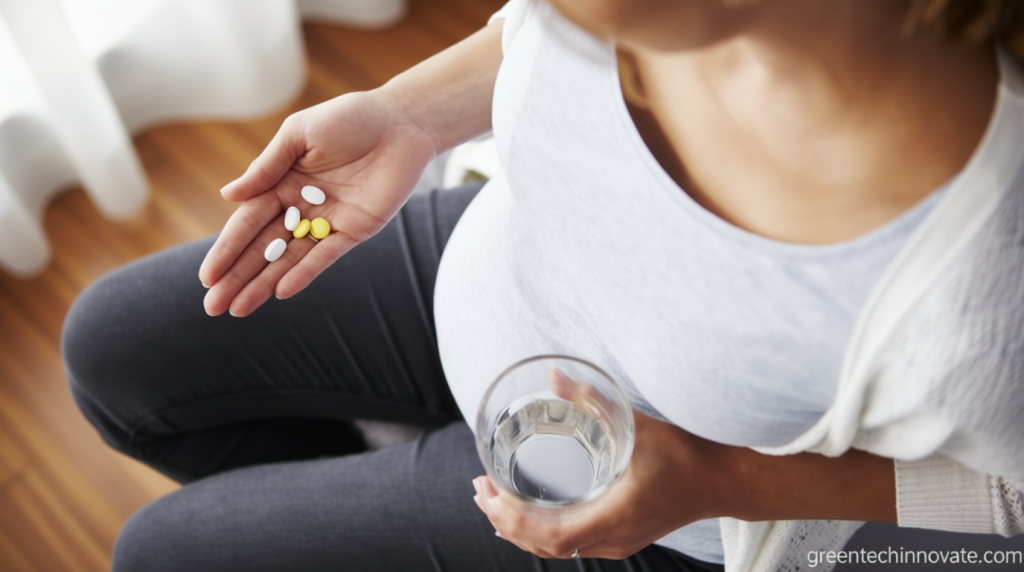
Antidepressants in Pregnancy: Risks for ADHD and Autism?
Antidepressants and pregnancy have sparked ongoing debate among healthcare professionals and expectant parents. A recent study sheds light on whether antidepressant use during gestation increases the likelihood of neurodevelopmental conditions such as attention deficit hyperactivity disorder (ADHD) and autism spectrum disorder (ASD) in children. The findings, published in The Lancet Psychiatry, suggest that while initial associations were observed, many of these links weaken when accounting for factors like family history and genetic predisposition.
The Study’s Key Findings
The research analyzed 37 studies involving over 600,000 pregnant women who used antidepressants, alongside 25 million pregnancies where no medication was taken. Results revealed that maternal antidepressant use during pregnancy was linked to a 35% increased risk of ADHD and a 69% higher chance of autism without intellectual disabilities. Paternal medication use showed a 46% rise in ADHD risk and a 28% increase in autism prevalence. However, after adjusting for confounding variables, these risks were significantly reduced, with autism risk dropping to around 15%.
Why the Confusion?
Dr. Wing Chung Chang, a co-senior author of the study and clinical professor of psychiatry at the University of Hong Kong, explained that the observed associations likely stem from underlying vulnerabilities in families rather than the medications themselves. “Our findings do not provide strong evidence that prenatal antidepressant exposure causes neurodevelopmental disorders,” he said via email. He emphasized that antidepressants remain a crucial treatment for depressive disorders, which affect over 10% of pregnant women globally.
Selective serotonin reuptake inhibitors (SSRIs), the most commonly prescribed antidepressants, have been at the center of recent discussions. In July 2025, the FDA held an expert panel that raised concerns about potential risks like autism, miscarriage, and birth defects. However, the study authors argue that these warnings may not fully reflect the benefits of treating maternal depression, which can lead to complications such as preterm birth and low birth weight.
Chang noted that previous research often overlooked the role of confounders, including genetic factors and the reasons for antidepressant use. This gap, along with the significant advantages of medication for mental health, prompted the current analysis. The study aimed to clarify whether antidepressants during pregnancy should be viewed as a risk or a necessary intervention, based on a comprehensive evaluation of medication class, dosage, and parental use patterns.
Jonathan Alpert, a psychiatrist at Montefiore Medical Center, echoed this sentiment. “Pregnancy is a time of heightened worry about health and the child’s development,” he said. “But the evidence now suggests that antidepressants are not the primary cause of ADHD or autism.” He added that healthcare providers should guide patients toward informed decisions, weighing the risks of untreated depression against those of medication exposure.
