
Trump is cutting the numbers of US troops in Europe. Here’s how
Trump is cutting the numbers of US troops in Europe. Here’s how
Defense Secretary Announces Troop Reductions in Europe
Trump is cutting the numbers of US – This week, Defense Secretary Pete Hegseth took decisive action by halting two planned military deployments to Europe and initiating the recall of additional personnel from the continent, as revealed by two defense officials. The moves, described as abrupt, aim to lower the overall US military presence in the region in response to recent criticisms from President Donald Trump regarding the support of European allies. These decisions mark a significant shift in the Pentagon’s strategy, with officials indicating that the goal is to streamline operations and reduce the footprint of American forces across the continent.
Key Deployments Abandoned or Modified
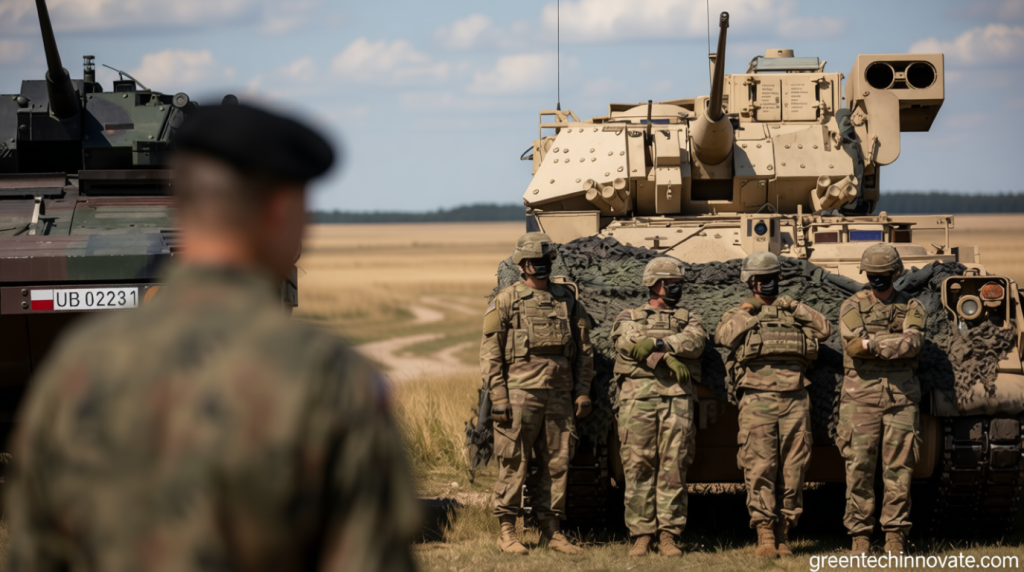
A memo issued by Hegseth directly impacted the rotation schedule of the 2nd Armored Brigade Combat Team, part of the 1st Cavalry Division. Originally set to rotate through Poland and other Eastern European nations, including the Baltic states and Romania, this brigade’s deployment has now been suspended. Some members of the unit, who had already arrived in Europe, will be reassigned back to the United States. The memo also called off the planned deployment of a specialized battalion to Germany, which is tasked with launching long-range rockets and missiles. This unit, part of the 12th Field Artillery Regiment, was expected to reinforce European defenses later this year but will now be stationed elsewhere, according to the defense officials.
Strategic Rationale Behind the Decision
The decision to cut troop numbers follows a pattern of frustration with European allies, particularly Germany. Trump has consistently expressed discontent with the level of commitment from NATO members, including the nation’s recent remarks about the Iran conflict. German Chancellor Friedrich Merz, for instance, had criticized the US for being “humiliated” by Iran, prompting Trump’s sharp response. The Pentagon’s actions, as outlined in prepared talking points, frame the reduction as a necessary step to ensure readiness and clarify that Germany and other allies must shoulder primary responsibility for regional security.
“The President is rightly reacting to these counterproductive remarks,” the talking points state. “The decision will help restore readiness and send a clear signal that Germany and other allies must take over primary responsibility for Europe’s defense.”
Logistical Considerations and Temporary Adjustments
While the withdrawal of troops from Germany may seem straightforward, the Defense Department emphasized that the process involves navigating complex logistical challenges. Permanent stations in Germany, especially those housing families, require careful planning for reassignment. By canceling scheduled rotations and deployments, the administration can gradually reduce forces without disrupting the continuity of operations. Officials noted that the 2nd Armored Brigade Combat Team alone includes around 4,700 soldiers, and the missile battalion involves over 500 troops. This approach allows for a phased reduction, maintaining operational flexibility while addressing Trump’s concerns.
Broader Context of US Military Presence in Europe
As of 2025, approximately 38,000 US troops were stationed in Germany, according to the Council on Foreign Relations, with the total number of American forces in Europe exceeding 80,000. The Pentagon’s announcement of withdrawing roughly 5,000 troops from Germany comes amid a review of the department’s force posture. This move is tied to the administration’s frustration with Europe’s perceived lack of cooperation, particularly in the context of the ongoing conflict in Ukraine. The 2026 funding bill for the Pentagon mandates that the US military cannot maintain fewer than 76,000 troops permanently stationed or deployed in Europe for more than 45 days without providing Congress with strategic notifications. Hegseth’s actions appear to align with this requirement, though they have raised questions about the timing and communication of the decision.
Reactions from Congressional Leaders
The announcement of the troop reduction has sparked concern among lawmakers. Republican leaders of the House and Senate Armed Services committees expressed alarm, stating that the move could undermine NATO’s cohesion. In a joint statement released on May 2, Sen. Roger Wicker and Rep. Mike Rogers highlighted Germany’s increased defense spending and support for US operations during the Ukraine conflict. “Germany has stepped up in response to President Trump’s call for greater burden sharing, significantly increasing defense spending and providing seamless access, basing, and overflight for US forces in support of Operation Epic Fury,” they said. The officials argue that the reduction sends a mixed message to potential adversaries, including Vladimir Putin and China, about the US’s commitment to Europe’s security.
Uncertainty and Criticism from Democratic Senators
Democratic Sen. Jeanne Shaheen voiced skepticism about the abrupt nature of the decision. When asked about the cancellation of the deployment to Poland, she noted that the move came as a surprise and that her committee was not adequately informed. “As far as I know, we weren’t notified about it,” Shaheen said, adding that the reduction could be seen as short-sighted. She warned that the shift might weaken the alliance’s ability to deter threats, emphasizing the importance of maintaining a strong military presence in the face of global challenges.
Historical Precedents and Future Implications
The current adjustments echo past efforts to realign US military resources in Europe. During the Biden administration, several brigade combat teams were deployed to the region as part of a response to Russia’s invasion of Ukraine. However, these deployments were initially framed as temporary measures. The recent decision to withdraw troops suggests a lasting impact on the strategic positioning of the US military. Analysts warn that the change could signal a broader shift in priorities, potentially affecting the balance of power in Europe. While the Defense Department declined to comment on the specific details of the cancellations, the talking points highlight the administration’s belief that Europe’s allies must demonstrate greater resolve in defending their own interests.
Questions About the Long-Term Impact
Despite the official reasoning, uncertainty remains about the long-term implications of these changes. For example, the exact number of soldiers from the 2nd Armored Brigade Combat Team who will return to the US is yet to be determined. The Pentagon’s focus on restoring readiness raises questions about whether the reduction will enhance or hinder operational preparedness. Additionally, the shift may influence future military collaborations with European partners, particularly in joint exercises and defense initiatives. While Trump’s criticism of Germany has been a recurring theme, the effectiveness of this approach in securing stronger alliance commitments remains to be seen.
As the US military adjusts its presence in Europe, the broader geopolitical landscape continues to evolve. The decision reflects a combination of domestic policy considerations and international tensions, with the potential to reshape the region’s security dynamics. The coming months will be critical in determining whether these changes reinforce or weaken the US’s strategic position in Europe, especially as Russia and China remain active in global affairs. The Pentagon’s actions underscore a growing emphasis on accountability, but they also highlight the challenges of maintaining a consistent and robust defense posture in an unpredictable world.
