
El Niño is coming faster than expected and chances are rising that it will be historically strong
El Niño Coming Faster Than Expected: Climate Impacts Rise
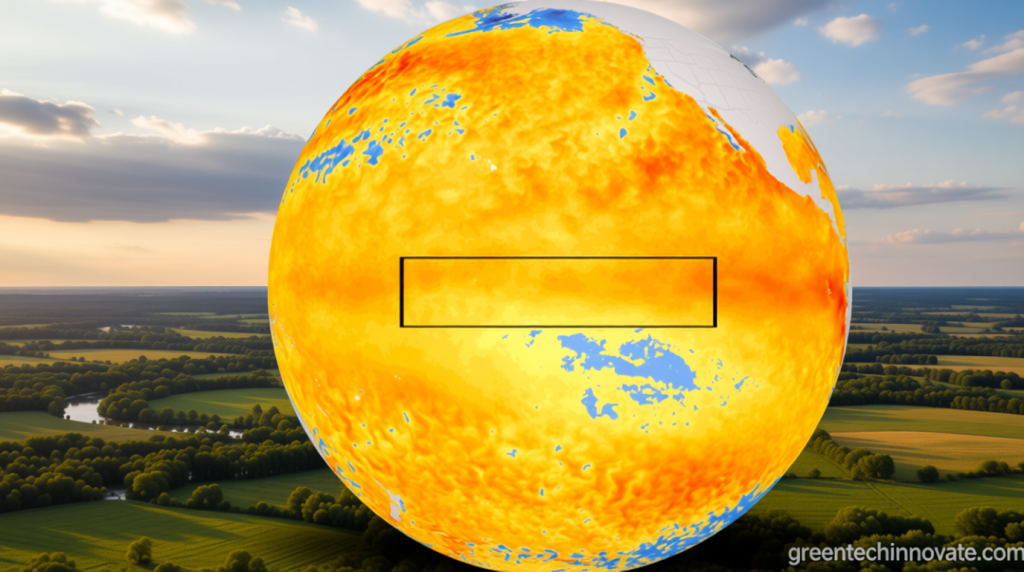
El Niño is coming faster than anticipated, according to updated forecasts from NOAA’s Climate Prediction Center. The phenomenon, which has already begun to intensify, now shows a 2 in 3 chance of reaching strong or very strong intensity by late autumn or winter. This marks a shift from earlier predictions that suggested a more gradual development, with the likelihood of a “Super” El Niño increasing significantly. The rapid progression of this climate cycle has raised concerns about its potential effects on global weather patterns.
Understanding El Niño’s Global Influence
El Niño is a natural climate phenomenon characterized by the warming of the equatorial Pacific Ocean. This shift disrupts typical atmospheric conditions, leading to a cascade of weather changes worldwide. For instance, the Caribbean could experience severe droughts, while parts of South America might face heavy rainfall and flooding. Meanwhile, the Atlantic hurricane season typically weakens during El Niño years, as the altered wind patterns suppress storm formation.
The broader implications of a stronger El Niño are profound. It amplifies the effects of human-induced climate change, pushing global temperatures to new extremes and increasing the frequency of heatwaves, wildfires, and other extreme weather events. While the impacts vary by region, the potential for heightened climate variability remains a critical factor in weather forecasting and disaster preparedness.
Rapid Warming and Predictive Models
Recent data indicates that the equatorial Pacific Ocean is warming at an accelerated rate, crossing the 0.5-degree Celsius threshold by the end of the month. This quick rise in temperatures has bolstered confidence in the event’s development, with the likelihood of it persisting into the winter months now at 96%. The “warming pool” of deep ocean heat is expected to reach the surface soon, reinforcing the cycle and potentially enhancing its strength.
Climate models suggest that the combination of rising ocean temperatures and weakening equatorial winds could lead to a Super El Niño by November to January. While the exact peak strength remains uncertain, the probability of this scenario has risen from 1 in 4 to 1 in 3 since the last update. Scientists warn that such a powerful event could reshape weather patterns on a scale not seen in over a decade.
Historical Precedents and Future Risks
Historically, Super El Niños have had dramatic global effects. The 1997-1998 event was one of the strongest, causing widespread droughts in the Caribbean and extreme weather across continents. Similarly, the 1982-1983 and 1972-1973 cycles significantly influenced regional climates, often leading to unseasonal rainfall and temperature extremes. The most recent Super El Niño in 2015-2016 demonstrated the event’s ability to alter precipitation patterns, even if its impact on Southern California’s winter was not as anticipated.
Michelle L’Heureux, a scientist at NOAA’s Climate Prediction Center, highlighted the importance of synchronized atmospheric and oceanic conditions in determining the final strength of this El Niño. She noted that the convergence of these factors could result in a system stronger than previous records, potentially becoming the most intense since the 1997-1998 cycle. This development underscores the need for proactive climate strategies as global temperatures continue to rise.
Regional Weather Shifts and Climate Warming
As El Niño intensifies, its influence on regional weather is expected to grow. The Atlantic hurricane season may shift toward the central and eastern Pacific, increasing storm activity in areas like Hawaii and the southern United States. Meanwhile, the western Pacific could see enhanced monsoon rains, while regions in Southeast Asia might face drier conditions. These changes will further complicate climate adaptation efforts, especially for communities already vulnerable to extreme weather.
The accelerated onset of El Niño also has implications for global climate models. With its unique ability to amplify existing temperature trends, the event could play a pivotal role in shaping future climate scenarios. Researchers emphasize that while El Niño
