
Nation’s Largest ICE Detention Facility Wasted Millions in Rushed Opening, Report Says
GAO Report Reveals Cost Overruns and Operational Deficiencies at Fort Bliss Center
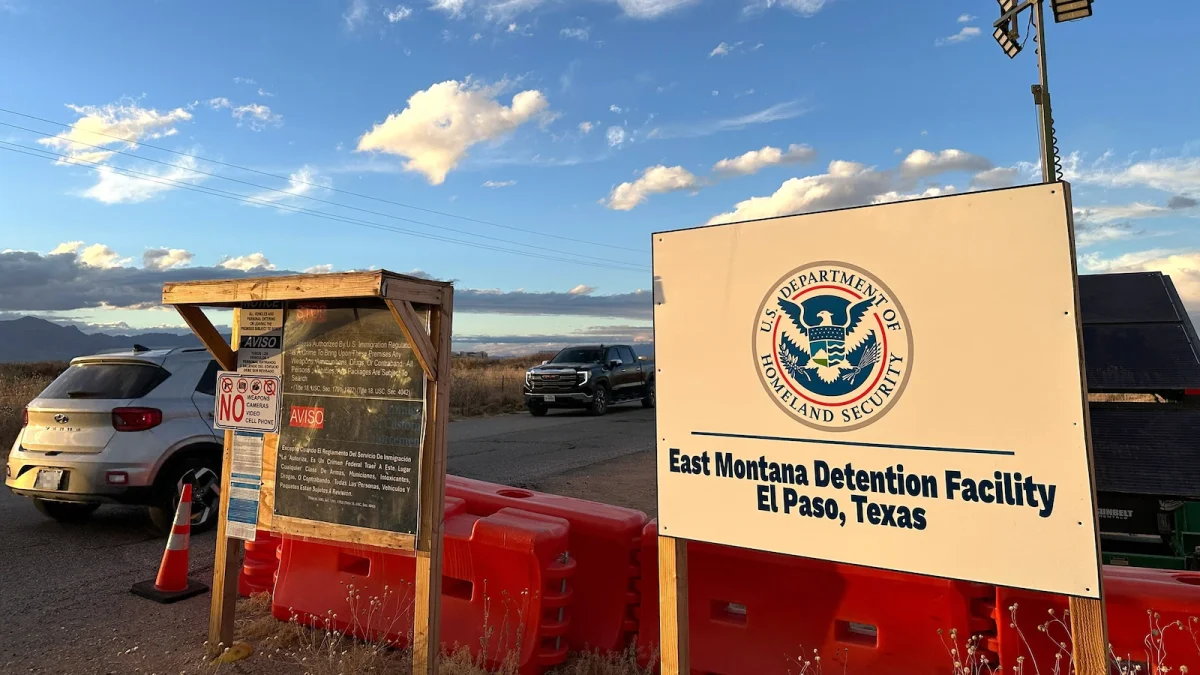
Nation s largest ICE detention facility – The U.S. Government Accountability Office (GAO) has issued a report highlighting significant cost overruns and operational flaws at the nation’s largest ICE detention facility, Camp East Montana, located at Fort Bliss in El Paso, Texas. The facility, which opened in August 2025, was rushed into service through a $1.3 billion contract awarded by the Army. The findings indicate that the government “wasted” millions of dollars during its initial phase and failed to establish critical health, security, and documentation protocols. This marks the first major review of the facility since its opening, underscoring concerns about its readiness and efficiency.
Rushed Expansion and Contract Challenges
The GAO report attributes the facility’s shortcomings to the accelerated timeline set by senior leadership. Officials from the Army and ICE prioritized speed over thoroughness, selecting a contracting method not previously used for detention services. The vendor, with no prior experience in immigrant detention operations, contributed to logistical and administrative issues. The contract, transferred to ICE after its August 2025 launch, led to operational gaps, including the absence of pre-opening inspections by ICE. These oversights allowed deficiencies such as inadequate security measures and incomplete use of force records to persist, raising questions about accountability and oversight.
The rushed timeline also impacted the facility’s ability to meet basic standards. During its first 15 days, no detainees were housed, yet the Army paid full meal expenses, highlighting a failure to account for fluctuating occupancy. The report criticizes the lack of contract provisions that could adjust costs based on real-time demand. This inflexibility exacerbated financial waste and operational inefficiencies, as the nation’s largest ICE detention facility struggled to adapt to changing conditions.
Death Investigations and Evidence Concerns
Three deaths since the facility’s opening have drawn scrutiny, with one case—Geraldo Lunas Campos—initially ruled self-inflicted but later reclassified as a homicide. The GAO notes that the contractor did not provide comprehensive documentation for use of force incidents or death reports to ICE, complicating investigations. Evidence related to the Campos case was reportedly missing or destroyed, further fueling concerns about transparency and accountability. The incident led to an emergency petition by his attorneys, which a federal judge granted, emphasizing the severity of the situation.
The nation’s largest ICE detention facility now stands at the center of legal and operational debates. The GAO’s findings align with ongoing criminal inquiries into the deaths, suggesting that inadequate documentation hindered understanding of the circumstances. The lack of clear protocols for recording and preserving evidence has been a recurring theme in the report, highlighting systemic issues that may have been overlooked during the facility’s rapid deployment.
Weapons Control and Safety Risks
Another critical safety lapse at the nation’s largest ICE detention facility involved the loss of a loaded firearm, which was never recovered. This incident exposed detainees, staff, and the public to heightened risks, including potential unauthorized access to weapons. The GAO criticized the contractor for failing to implement adequate weapons control procedures, leading to this oversight. ICE issued a discrepancy report detailing the issue, which has since been integrated into the agency’s internal assessments.
DHS Response and Ongoing Reforms
When asked about the GAO report, a Department of Homeland Security spokesperson acknowledged the findings and emphasized efforts to address the issues. They noted that reforms are being implemented to improve oversight, including stricter documentation requirements and enhanced security measures. The nation’s largest ICE detention facility remains a focal point for these changes, with officials committed to learning from the missteps and ensuring better preparedness in future projects.