
125 Passengers and Crew Affected by Contagious Stomach Virus on Cruise
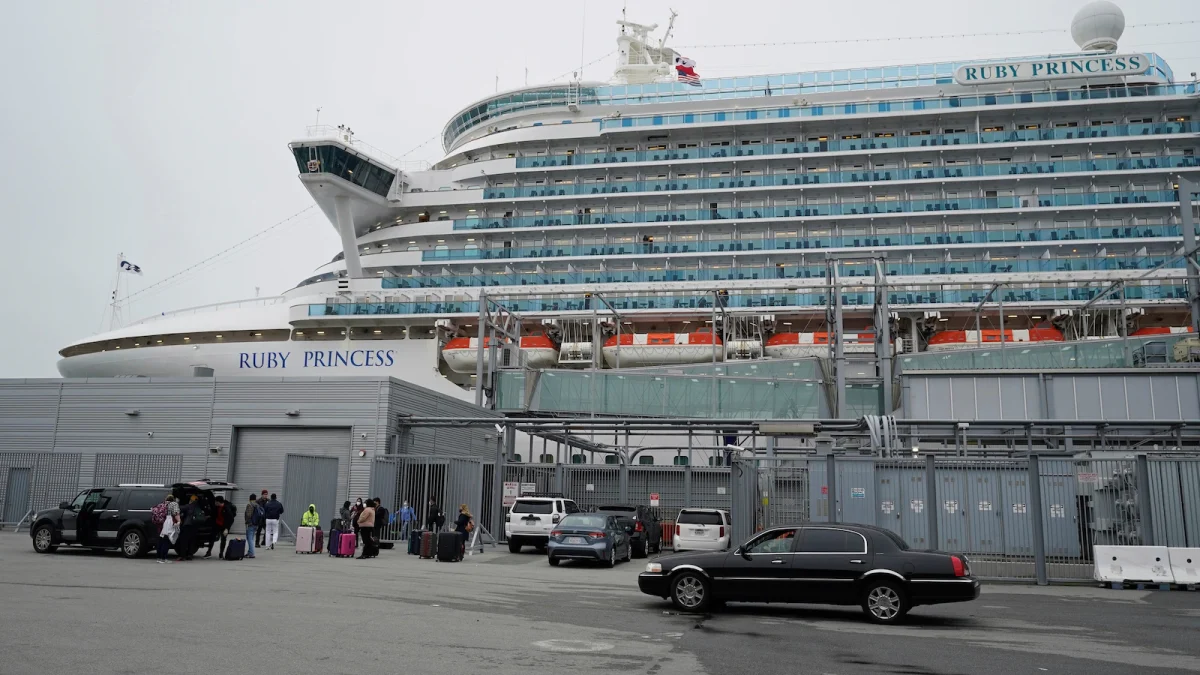
125 passengers and crew hit – Health authorities have confirmed that over 120 individuals aboard the Princess Cruises vessel, which recently docked in San Francisco, contracted a highly infectious gastrointestinal virus during their voyage. The outbreak, which impacted 102 passengers and 23 crew members, was reported to the U.S. Centers for Disease Control and Prevention (CDC) following the ship’s arrival. The Ruby Princess, which departed San Francisco on June 12, was en route to Canada and Alaska on a 20-day round-trip itinerary when the illness spread rapidly among its passengers and staff.
Details of the Norovirus Outbreak
The virus in question, norovirus, is renowned for its ability to cause rapid onset of symptoms such as vomiting, diarrhea, and stomach pain. These effects can persist for up to three days, according to the CDC. While most people recover without complications, the infection can pose significant risks to vulnerable populations, including the elderly, young children, and individuals with preexisting medical conditions.
“Norovirus spreads quickly in confined environments, often through contact with contaminated surfaces or shared food items,” stated the CDC. “Crowded conditions on cruise ships create an ideal setting for transmission.”
Officials emphasized that the outbreak was not uniform in timing, with some individuals falling ill before the ship’s return to port and others contracting the virus after the voyage concluded. This variability complicates containment efforts, as the illness can affect people at different stages of the journey.
Response and Sanitation Measures
Princess Cruises swiftly addressed the situation, implementing enhanced sanitation protocols to mitigate further spread. The company described these measures as comprehensive, including intensified cleaning schedules and improved hygiene practices across the ship. The Ruby Princess is scheduled to undergo a thorough cleaning and disinfection process before its next departure later this week, ensuring the vessel is safe for future passengers.
“Our crew took immediate action to prevent the virus from spreading further, prioritizing hygiene and sanitation,” said a representative from Princess Cruises. “We are committed to maintaining the health and safety of our guests and staff.”
Transmission and Prevention
Norovirus is primarily transmitted through direct contact with infected individuals or contaminated surfaces. It can also spread via food and water, particularly in settings where large groups gather. The CDC highlighted that frequent handwashing remains a critical defense against the virus, especially after using the restroom or before consuming meals. While hand sanitizer is useful, it is not as effective as soap and water, which should be used for at least 20 seconds to ensure proper cleaning.
Health experts advise that norovirus outbreaks are common in enclosed spaces like cruise ships, where close quarters and shared facilities amplify the risk. The CDC noted that the Ruby Princess incident aligns with a trend observed this year, as seven similar outbreaks have been reported on cruise ships under its jurisdiction. These cases were predominantly linked to norovirus, underscoring the virus’s prevalence in maritime travel.
Impact and Public Health Concerns
With 3,032 passengers and 1,144 crew members on board during the voyage, the scale of the outbreak highlights the challenges of managing infectious diseases in large, mobile environments. While the majority of those infected experienced mild symptoms, the potential for severe illness in high-risk groups necessitates vigilant monitoring. The CDC recommended that affected individuals remain isolated until symptoms subside to minimize cross-contamination.
Princess Cruises has also issued statements emphasizing its dedication to addressing the issue. The company’s response included deploying additional medical personnel and reinforcing communication with passengers to ensure they were informed about the outbreak and preventive steps. These efforts reflect a broader industry focus on improving sanitation standards in response to recurring health crises.
Context and Broader Trends
The Ruby Princess incident is part of a larger pattern of norovirus outbreaks in the cruise industry, which has become a focal point for public health officials. Over the past year, the CDC has documented seven such outbreaks, each linked to the virus’s ability to thrive in communal spaces. Experts note that these outbreaks are often the result of asymptomatic carriers spreading the virus through everyday interactions, such as touching shared surfaces or utensils.
As norovirus continues to pose a challenge, health authorities are urging passengers to adopt proactive hygiene habits. This includes regularly washing hands, disinfecting commonly touched areas, and avoiding close contact with individuals showing symptoms. The CDC also stressed the importance of proper food handling and ventilation systems in reducing the risk of transmission, particularly in enclosed environments.
Related Stories
A couple who climbed the Empire State Building with a banner displayed have been charged with eight offenses, including trespassing and disturbing the peace. The incident, which occurred on July 1, has drawn media attention as a viral moment of defiance. Meanwhile, recent earthquake updates from Venezuela revealed that a 3-year-old boy was rescued from rubble six days after the disaster struck. The effort to extract him highlighted the urgency of search-and-rescue operations in the region.
Additionally, diplomatic developments between the United States and Iran have brought a temporary pause to military tensions. A U.S. official confirmed that both nations agreed to halt strikes, signaling a potential shift in their conflict dynamics. These stories, though unrelated, illustrate the diverse range of events that capture public interest and media coverage.