

Bernie Sanders Joins Calls for Platner to Withdraw from Maine Senate Race
Allegations Surface Against Democratic Candidate
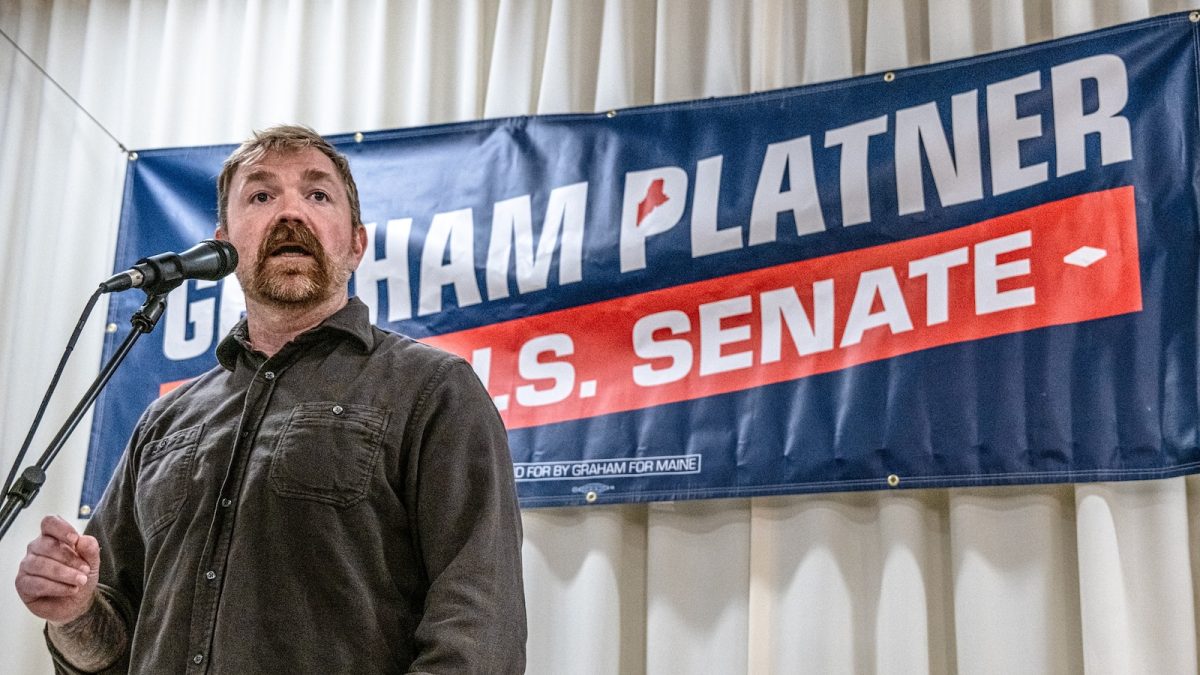
Bernie Sanders joins calls for Platner – Maine’s Democratic Senate hopeful, Graham Platner, has encountered growing pressure to exit the race following the release of a sexual assault allegation. The claim, published Monday by Politico, came from Jenny Racicot, a former girlfriend who asserts that Platner pressured her into sexual activity without consent during their relationship five years ago. Platner has swiftly dismissed the accusations as “categorically false,” stating he is “taking the time to reflect on the best path forward.” The incident has sparked a wave of criticism from within the Democratic Party, with some leaders questioning his candidacy amid the controversy.
Political Fallout and Party Response
On the heels of the report, a coalition of Democratic officials from across the nation has urged Platner to withdraw. The Maine Democratic Party, in a formal statement, expressed solidarity with survivors and emphasized the gravity of the allegations. Party Chair Charlie Dingman, Vice Chair Imke Schessler, and Executive Director Devon Murphy-Anderson collectively called for Platner’s removal, highlighting that “multiple women have made serious, credible allegations” against him. The leadership argued that supporting Platner would compromise their commitment to justice, regardless of his party ties.
“Speaking up is often costly,” the officials noted, underscoring the courage required for women to come forward with their experiences. The statement also referenced previous scandals involving Platner, suggesting a pattern of behavior that has fueled the current backlash. Meanwhile, Senate Democratic Leader Chuck Schumer and Sen. Kirsten Gillibrand, head of the Democratic Senatorial Campaign Committee, have joined the chorus of dissent. They stated that the committee would not commit financial resources to the race unless Platner steps aside immediately.
Endorsements Withdrawn and Public Statements
The call for Platner’s resignation has gained traction among prominent Democrats. Sens. Elizabeth Warren and Bernie Sanders, who were early supporters of Platner’s campaign, have both recommended his departure. Sanders stated in a Tuesday press release, “I have spoken with Graham Platner about the best path forward for Maine. In light of these very serious allegations, I have recommended that he step aside.” His endorsement of Platner was a significant early boost for the campaign, but the recent accusations have prompted a shift in support.
Rep. Ro Khanna of California echoed similar sentiments, declaring that “sexual assault or violence against women is a red line.” He announced on X that he is rescinding his endorsement of Platner, citing the allegations as “very serious and credible.” Khanna’s withdrawal adds pressure to Platner’s campaign, as he is now facing a loss of key allies. Arizona Sen. Ruben Gallego also distanced himself, stating, “The allegations against Graham Platner are troubling and deeply serious. I am rescinding my endorsement,” in a separate post on X.
Background on the Allegations
Racicot’s account, detailed in a Politico interview, reveals her decision to share the incident after initially discussing it off the record with the New York Times. She described her relationship with Platner as one of mutual respect, noting that his political values aligned with hers. This connection, she explained, contributed to her hesitation in revealing the details. However, she now insists the allegations are valid and deserve public scrutiny.
Racicot’s testimony was delivered at a pivotal moment for Platner’s campaign, which had been gaining momentum ahead of the June 9 primary. Her statement adds to a series of challenges Platner has faced since launching his bid, including controversies over sexually explicit texts sent to multiple women and a tattoo featuring Nazi symbolism. Platner clarified that he was unaware of the tattoo’s historical significance and took steps to conceal it once the association was discovered.
Campaign Defense and Historical Context
In a Monday afternoon statement, Platner’s campaign characterized the allegations as “very serious” and asserted that he vigorously denies them. The campaign also blamed out-of-state establishment figures for orchestrating the claims, suggesting a coordinated effort to undermine Platner’s candidacy. This narrative echoes previous attacks on him, which included accusations of being a “Nazi,” “war criminal,” and “communist.” Platner’s campaign claims these labels are part of a broader strategy to distract from his record of public service.
The defense comes amid a year of relentless scrutiny for Platner. Opponents have targeted him with a barrage of attacks, from personal scandals to political characterizations. However, the campaign maintains that none of these accusations have been substantiated, including the latest sexual assault claim. “None of it has been true,” the statement insisted, arguing that the current allegations are no different from the past ones.
Broader Implications for the Senate Race
The controversy has intensified as Maine’s June 9 primary approaches, with the race for Senate seat seen as a critical test for the Democratic Party. Susan Collins, the Republican incumbent, remains a formidable opponent, and Platner’s supporters worry that his withdrawal could hand the election to her. However, the party leadership has framed the situation as an opportunity to “choose a new candidate who can defeat Susan Collins,” as Schumer and Gillibrand emphasized.
While some Democrats remain loyal to Platner, others have expressed concern over the allegations’ impact on the party’s image. The situation reflects a broader tension within the Democratic base, where progressive ideals clash with the need for pragmatic candidates. As the debate over Platner’s future continues, the outcome of this race may hinge on how the party balances accountability with its strategic goals.
Public Reaction and Media Coverage
The allegations have sparked a flurry of reactions from media outlets and the public. With the primary election fast approaching, the narrative surrounding Platner is shifting rapidly. His campaign has sought to counter the claims by highlighting his policies and commitment to progressive causes, but the controversy has left many questioning his integrity.
Despite the mounting pressure, Platner has not yet made a definitive decision on whether to withdraw. His supporters continue to defend his character, while critics argue that the allegations are too serious to ignore. As the situation evolves, the Maine Democratic Party will likely monitor the fallout closely, determining whether to endorse a new candidate or press forward with Platner’s campaign.