

America 250: David Muir Explores the Deep History of National Parks and Indigenous Communities
America 250 – As the United States commemorates its 250th anniversary this Fourth of July, ABC News anchor and managing editor David Muir has embarked on a journey to highlight two of the nation’s most iconic landscapes: the Grand Canyon National Park in Arizona and the Redwood National and State Parks in Northern California. These natural wonders, deeply intertwined with the cultural and historical narratives of Indigenous peoples, serve as a testament to the enduring connection between land and its original stewards. The special programming, titled “Disney Celebrates America,” will span 24 hours across multiple platforms, including ABC, Disney+, Hulu, ESPN, National Geographic, FX, Freeform, and ABC News Live. The initiative, led by Muir, aims to spotlight the rich heritage of the 50 states, beginning at 10 p.m. ET on July 3 and concluding on July 4.
Grand Canyon: Earth’s Ancient Story and Indigenous Stewardship
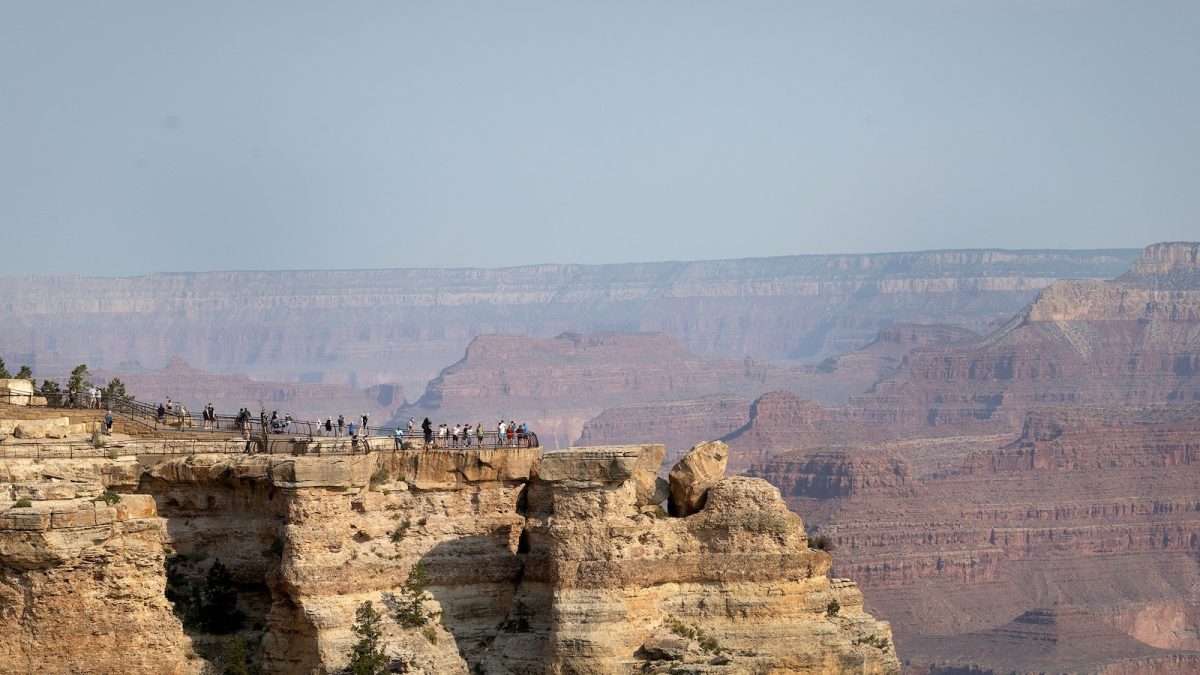
Among the many stories being told during the anniversary celebrations, the Grand Canyon stands out for its geological significance and the role of the Native American tribes that have inhabited the region for millennia. The canyon’s rock formations, which stretch back nearly 2 billion years, offer a visual chronicle of Earth’s evolution. Yet, its true legacy lies not only in its physical grandeur but also in the enduring presence of Indigenous communities who have called the area home for at least 12,000 years. These groups view the land as sacred, and their traditions are integral to preserving its natural beauty.
Ed Keable, the park’s superintendent, emphasized during Muir’s visit that the Grand Canyon’s appeal is deeply rooted in its Indigenous history. “The people who were here first are part of what makes this place so special,” Keable explained. He highlighted how the National Park Service actively works to ensure that visitors gain insight into the original caretakers of the land. This effort includes interactions between tribal members and tourists, both within and beyond the park’s boundaries, to share their ancestral knowledge and cultural significance.
“We want America to know that we’re still here and we’re still gonna fight for the protection of the Grand Canyon,” said Carletta Tilousi, a member of the Havasupai Tribe. The Havasupai, whose name translates to “People of the Blue-Green Water,” reside at the base of the canyon and have long advocated for its conservation. Their efforts have helped maintain the pristine condition of the landscape, ensuring that its waters remain clean and its ecosystems undisturbed. Tilousi added, “It’s a part of my history, and it’s also part of my ancestors, and it runs through my blood.”
While the Havasupai are one of the 11 federally recognized tribes connected to the Grand Canyon, their dedication reflects a broader commitment among Indigenous communities to safeguard these spaces. The Yurok Tribe, for instance, plays a crucial role in the stewardship of Redwood National and State Parks, which are located in coastal Northern California. As the most populous tribe in California, the Yurok have been instrumental in co-managing the parks and restoring native lands. In 2024, a landmark agreement returned 125 acres of ancestral territory to the tribe, marking a significant step in their efforts to reclaim and protect their heritage.
Redwood National and State Parks: Timeless Giants and Cultural Guardians
Farther west, the Redwood National and State Parks showcase a different kind of natural wonder—towering trees that have stood for centuries. Known as “nature’s skyscrapers,” these ancient redwoods can reach heights of up to 380 feet, with some individuals over 2,000 years old. Their presence predates the founding of the United States by millions of years, making them living witnesses to the nation’s history. Muir explored the forest with Ben Blom, director of stewardship at Save the Redwoods League, who noted the trees’ age relative to the country’s timeline. “Time is relative,” Blom remarked. “This is a young tree, but it’s still older than the United States of America.”
Blom pointed out that the redwoods have thrived for at least 20 million years, with Indigenous peoples playing a vital role in their preservation long before European settlers arrived. “This tree was already big when we signed the Declaration of Independence, and it was cared for by Indigenous communities for thousands of years prior,” he explained. The Yurok Tribe, whose ancestral lands include the Redwood parks, continues this legacy of environmental stewardship. Their collaboration with conservation organizations and government agencies underscores a shared goal of protecting these natural treasures for future generations.
Joseph James, chairman of the Yurok Tribe, shared his vision for the 250th anniversary as a moment of renewal and growth. “We can’t change history, but we can learn from it and grow from it,” James said. He described the anniversary as a catalyst for collective progress, noting that it represents not just a milestone for the tribe but also an opportunity for the environment and the broader community. “Every person grows, no matter how old you are. And it’s a growing moment, not just for the tribe, not just for the environment, not for this project. It’s for everybody,” he added.
The dual focus on these parks underscores the importance of integrating Indigenous perspectives into national conservation efforts. As Muir’s coverage highlights, the stories of the land and its people are inseparable. The Grand Canyon and Redwood forests are more than just natural landmarks—they are living archives of human and environmental history, maintained by the communities that have called them home for centuries. This anniversary, with its multi-platform celebration, offers a chance to deepen appreciation for these sites and the cultures they sustain.
Through his visits, Muir not only captures the majesty of the parks but also amplifies the voices of those who have protected them for generations. The “Disney Celebrates America” initiative, with its emphasis on diverse narratives, ensures that the 250th anniversary is not just a celebration of the nation’s past but also a reflection on its ongoing relationship with the natural world and its Indigenous inhabitants. By weaving together the histories of the land and its people, the series invites viewers to explore the deeper layers of America’s identity and the enduring legacies that shape its landscapes today.