
Heatwave Disrupts National Celebrations and Power Across the U.S.
Almost 1 million without power across – As the United States prepares to commemorate its 250th anniversary on July 4, 2026, a widespread power outage crisis has emerged, impacting nearly one million homes. According to PowerOutage, a real-time tracking platform, the figure of 956,388 affected households represents the latest tally of disruptions across the Midwest and Northeast regions. These outages, which fluctuate as utility crews work to restore electricity, have created a ripple effect, with the number of people impacted likely exceeding that of households due to the scale of the crisis.
Extreme Heat Forces Event Cancellations
The heatwave, characterized by scorching temperatures and hazardous conditions, has already disrupted plans for two major events. In Philadelphia, the Salute to Independence Semiquincentennial Parade, originally set for Friday, was postponed due to the perilous weather. This decision came after forecasts predicted triple-digit heat indices, making outdoor activities dangerous for participants and spectators alike. Similarly, the National Independence Day Parade in Washington, D.C., scheduled for 10:30 a.m. on July 4, was canceled late Friday evening by organizers. The extreme heat in the District of Columbia prompted the move, as highlighted in a statement from the event’s website.
“The organizers of America’s National Independence Day Parade, scheduled for July 4, 2026, at 10:30 AM, have regretfully canceled the parade due to extreme heat in the Washington, DC, region. The National Weather Service has issued an Extreme Heat Warning for the District of Columbia, with heat index values expected to reach between 110°F and 115°F,” the statement noted.
This cancellation follows a series of weather-related adjustments by the Freedom 250 event organizers, who have been managing the logistical challenges of the heatwave. The decision to delay the parade was made after consultations with the National Park Service, the D.C. City Government, and Freedom 250, with the safety of attendees taking precedence over the original schedule.
Broader Impacts of the Heatwave
While the focus has been on event cancellations, the heatwave’s effects extend beyond the immediate disruptions. In the eastern U.S., temperatures have surged to dangerous levels, straining infrastructure and prompting warnings from the National Weather Service. The combination of severe weather and sustained high heat has not only caused power outages but also posed risks to public health, transportation, and daily life. For instance, the event’s website noted that the Great American State Fair and FIFA Fan Zone on the National Mall will open at noon Saturday, two hours later than planned, as a result of the ongoing heatwave.
The prolonged heat has also raised concerns about the resilience of the nation’s power grid. PowerOutage reports indicate that the outages are primarily due to heat-induced stress on electrical systems, particularly in regions experiencing above-average temperatures. Utility companies have been scrambling to address the crisis, deploying additional crews and implementing preventive measures to minimize further disruptions. However, the scale of the issue highlights the vulnerability of the infrastructure to extreme climate conditions.
Community Responses and Adaptations
In response to the heatwave, communities across affected areas have taken proactive steps to ensure safety. Residents in the Midwest and Northeast are advised to stay hydrated, limit outdoor exposure, and use air conditioning to mitigate the risks of heat-related illnesses. Public services have also ramped up efforts, with local authorities setting up cooling centers and distributing water to vulnerable populations. These measures reflect a growing awareness of the need for preparedness in the face of increasingly frequent extreme weather events.
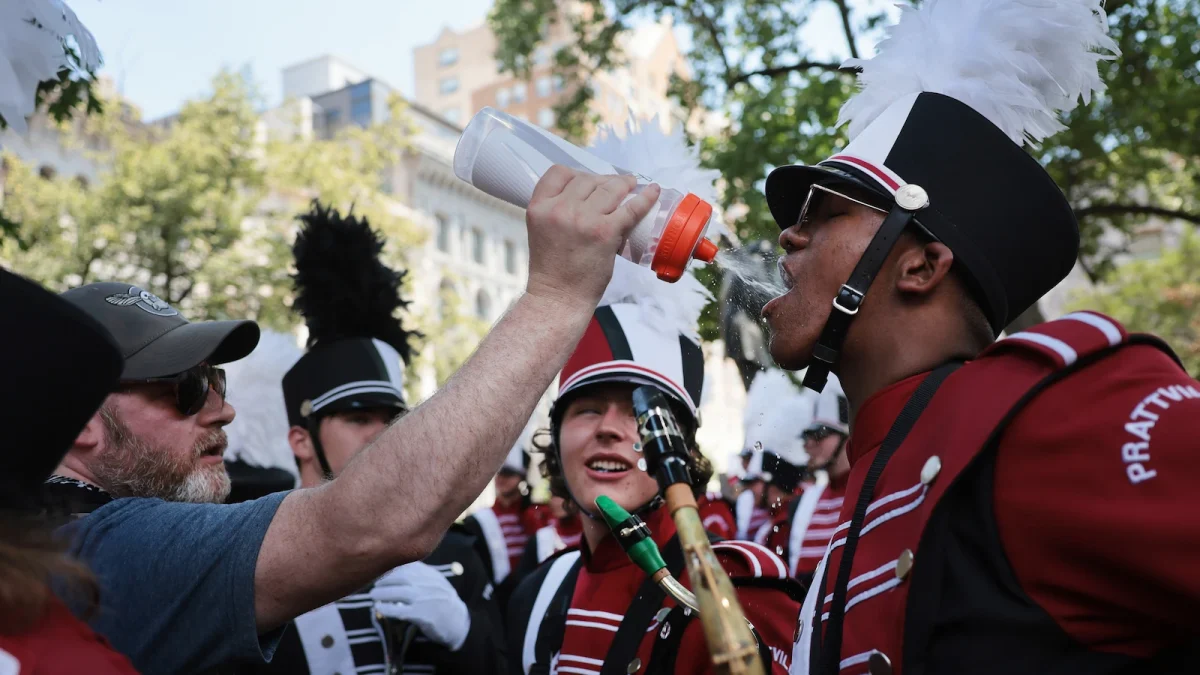
The cancellation of the Philadelphia parade serves as a poignant reminder of the heatwave’s reach. On July 3, 2026, members of a high school band from Alabama received water outside Independence Hall as the event was called off. This incident underscores the widespread impact of the heat, which has not only affected urban centers but also rural areas where power outages have created additional challenges. The delayed opening of the Great American State Fair and FIFA Fan Zone on Saturday is another example of how the heatwave is forcing adjustments to major public gatherings.
As the heatwave persists, the situation is expected to evolve. The National Weather Service has warned that temperatures will remain elevated, with the potential for further disruptions. The ripple effects of this crisis are evident in the cancellation of events and the strain on utility services, highlighting the urgent need for adaptive strategies to manage such extreme conditions in the future. While the 250th anniversary celebrations have faced setbacks, the resilience of communities and organizers remains a testament to the spirit of American perseverance in the face of natural challenges.
Looking Ahead: Balancing Tradition and Safety
Freedom 250, the organization overseeing the 250th anniversary events, has emphasized its commitment to prioritizing safety. In a statement, the group noted that the decision to cancel and delay events was based on a comprehensive assessment of the risks posed by the heatwave. This approach aligns with broader efforts to ensure that the celebrations remain meaningful without compromising the well-being of participants.
The heatwave also serves as a stark reminder of the increasing frequency and intensity of extreme weather events in the U.S. Experts suggest that such conditions are becoming more common due to climate change, urging for greater investment in infrastructure and emergency response systems. As the nation grapples with this challenge, the balance between tradition and adaptability will be key in ensuring that the 250th anniversary is marked by both celebration and caution.
With millions of Americans now adjusting to the heatwave’s impact, the situation underscores the importance of preparedness and resilience. The events of July 3 and 4, 2026, have already reshaped the way the country approaches large-scale gatherings, setting a precedent for future planning. As the days unfold, the full extent of the heatwave’s influence on the nation’s activities will continue to unfold, but the determination to overcome these challenges remains unwavering.