
Trump Dismisses Bipartisan Housing Legislation as ‘A Yawn’
It s a yawn – President Donald Trump has publicly expressed skepticism toward a major bipartisan housing bill, delaying its final approval until his proposed election reform law, the SAVE America Act, is also enacted. The decision has sparked debate over the priorities of the administration and its influence on legislative processes. The housing bill, which passed Congress with significant support, aims to tackle the nation’s housing crisis by expanding supply and simplifying pathways to homeownership. However, Trump has downplayed its importance, framing it as a minor achievement compared to the broader implications of his SAVE America Act.
Bill’s Stalled Approval and Political Leverage
Last week, Trump abruptly halted the formal signing of the housing bill, using it as a bargaining tool to push for the SAVE America Act’s passage. The move has raised questions about the president’s strategy, as he sought to tie the legislation together with his own reform measures. While the housing bill received bipartisan backing, Trump’s actions have created uncertainty about its fate. His focus on the SAVE America Act, which targets election processes by introducing stricter voter registration rules and mail-in ballot restrictions, has shifted the narrative of the week’s legislative efforts.
“I made a lot of money with housing, but when I look at that bill, it’s a bill. But when I look at the SAVE America Act, it’s about saving America,” Trump stated during a press briefing. His remarks underscored the administration’s emphasis on electoral reforms as a cornerstone of its policy agenda, even as the housing bill stood ready for final approval.
The housing legislation, which addresses a critical national issue, seeks to increase affordable housing options by streamlining regulations and incentivizing developers to build more units. Its passage would mark a significant step toward resolving the ongoing shortage of homes, particularly in high-demand urban areas. However, Trump’s insistence on linking it with the SAVE America Act has slowed its progress, with the president using the bill as a strategic ploy to pressure lawmakers.
Democrats’ Concerns and the Bill’s Rejection
Democrats, who had supported the housing bill, have raised objections to its provisions, arguing that it could disproportionately affect voters without access to required documents. The bill’s critics claim that its implementation might limit voting rights, especially in communities where bureaucratic hurdles are common. Despite these concerns, the legislation cleared Congress with overwhelming support, leaving Trump with the final say in its approval.
Trump’s delay has tested the patience of both supporters and opponents. The president initially planned to sign the bill last Wednesday but canceled the ceremony, opting instead to negotiate its terms with the SAVE America Act. This shift highlights the administration’s approach to legislative priorities, where major bills are often used as leverage to secure additional reforms. However, the housing bill’s supporters worry that Trump’s tactics may undermine its effectiveness.
“It’s a yawn. Some people say it’s wonderful. To me, compared to the SAVE America Act, just about everything is a big yawn,” Trump added, reflecting his broader stance on legislation. His comments, while dismissive, have drawn criticism from lawmakers who see the housing bill as a vital piece of infrastructure.
The SAVE America Act, which Trump championed, focuses on reshaping federal elections to prevent voter fraud and ensure fair outcomes. By attaching it to the housing bill, the president aimed to expedite its passage, a move that could have significant implications for the upcoming midterm elections. However, the act faces resistance from some Republicans, who believe it goes too far in restricting voting access. Trump acknowledged this challenge, noting that the bill’s inclusion may not be feasible due to the lack of bipartisan support among key senators.
Legislative Timeline and Potential Outcomes
Once the housing bill reaches Trump’s desk, he has 10 days to either sign it or veto it. If Congress adjourns before this period ends, the bill could be subject to a pocket veto, effectively blocking its implementation. Despite the veto-proof majorities in Congress, the uncertainty surrounding the SAVE America Act has kept the housing bill in limbo, with the president’s approval remaining a critical factor.
Trump’s office confirmed that the bill was officially sent to him earlier Monday, following a directive from Speaker Mike Johnson. The timing of this delivery has added pressure on the president to make a decision, with lawmakers closely watching his next move. The housing bill’s sponsors hope that Trump will prioritize its passage, given its immediate impact on housing availability and economic stability. However, the president’s repeated emphasis on the SAVE America Act has raised doubts about his commitment to the housing legislation.
Implications for Policy and Political Strategy
The situation highlights the tension between immediate policy needs and long-term political goals. While the housing bill addresses a pressing issue, Trump’s strategy of linking it to the SAVE America Act reflects his desire to consolidate power and influence the electoral process. This approach has been both praised and criticized, with some viewing it as a necessary tactic and others as an attempt to delay meaningful action.
Analysts note that Trump’s ability to hold the bill hostage underscores the importance of the executive branch in shaping legislation. The SAVE America Act, if passed, could alter the landscape of voting procedures, potentially affecting the outcome of future elections. Meanwhile, the housing bill’s supporters argue that its delayed approval could exacerbate the housing crisis, leaving millions of Americans without adequate shelter.
As the debate continues, the role of the Senate and House in resolving the impasse becomes crucial. With the clock ticking, lawmakers must decide whether to wait for Trump’s final approval or take further steps to ensure the bill’s passage. The situation also raises questions about the balance of power between the executive and legislative branches, particularly in an era where partisan dynamics often dictate the pace of policymaking.
Broader Context and Public Reaction
The housing bill’s stalled approval has generated mixed reactions from the public and media. While some recognize its importance in addressing the housing shortage, others see it as a minor accomplishment overshadowed by Trump’s focus on election reforms. The SAVE America Act, though contentious, has drawn attention for its potential to reshape voting mechanisms, with advocates and critics alike weighing in on its merits and risks.
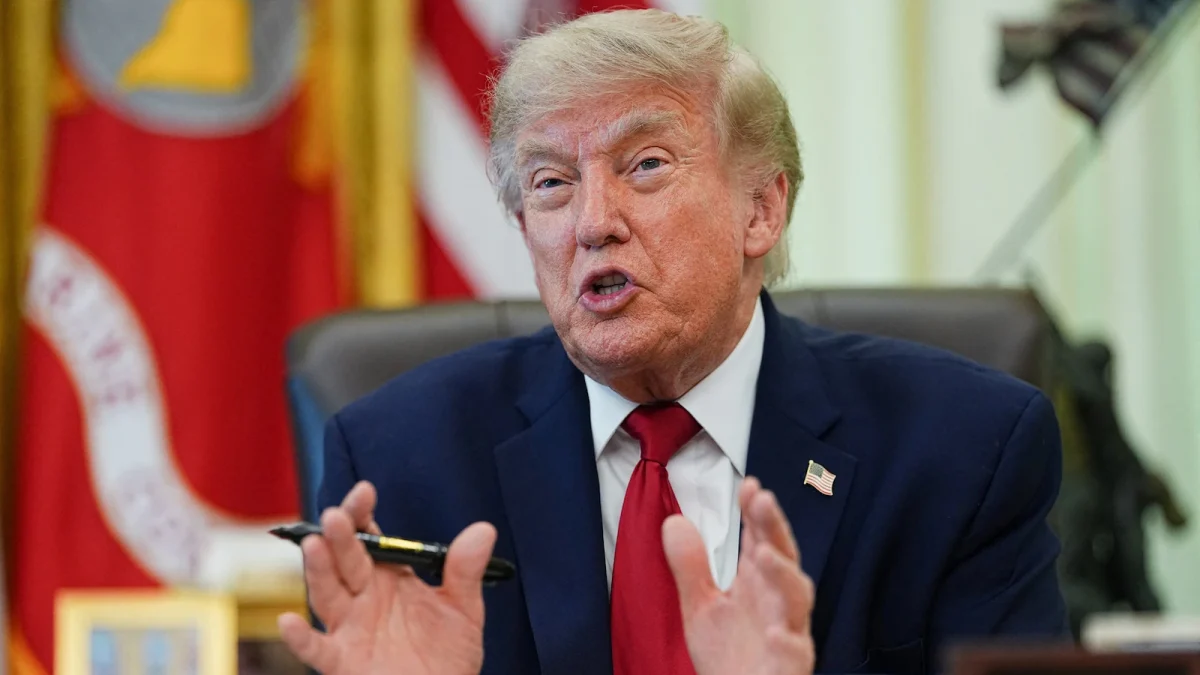
Trump’s comments, delivered in the Oval Office on June 29, 2026, when he signed an executive order on vehicle repairs, reinforced his view that the housing bill is secondary to his electoral priorities. The image of the president signing the order, captured by Aaron Schwartz/Reuters, serves as a visual reminder of the administration’s multifaceted agenda. Despite this, the housing bill remains a focal point for discussions on economic policy and social equity, with its eventual fate hanging in the balance.
As the nation awaits Trump’s decision, the implications of both the housing bill and the SAVE America Act will continue to shape political discourse. Whether the president will prioritize the housing legislation or stick to his plan for electoral reform, the outcome will reflect his strategic vision for the remainder of his term. The situation also sets the stage for future debates on how to balance legislative momentum with executive influence in the policymaking process.