

Mamdani: Democratic Socialist Candidates Can Win Anywhere, Any Position
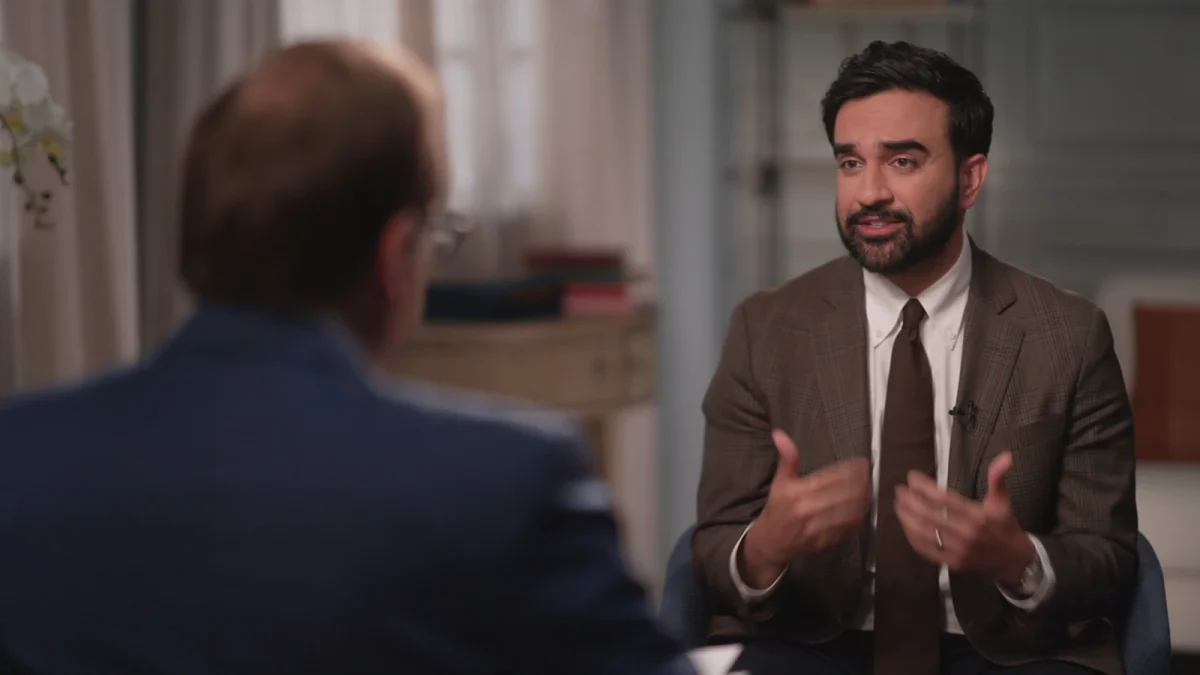
Mamdani – On June 28, 2026, New York City Mayor Zohran Mamdani appeared on ABC News’ “This Week” to discuss the recent success of democratic socialist candidates in New York’s congressional primaries. The interview, conducted exclusively with co-anchor Jonathan Karl, highlighted Mamdani’s confidence in the movement’s national appeal following the wins of three House candidates he endorsed. These victories, which occurred on June 27, 2026, signaled a growing shift in political sentiment across the state and beyond.
A New Political Narrative Takes Shape
Mamdani, a prominent figure in New York’s progressive circles, emphasized the broader implications of the candidates’ success. “I think we are witnessing a desire among Americans that goes beyond just the people of New York,” he stated, pointing to a nationwide yearning for a political approach centered on working-class interests. This sentiment, he argued, reflects a movement that prioritizes economic justice, affordable housing, and childcare accessibility—issues that resonate deeply with voters regardless of geography or political background.
“I believe a democratic socialist can rise to any office in this country,” Mamdani asserted. “The message of fighting for working people isn’t confined to one region; it’s a conversation that needs to happen everywhere.”
Following the primary results, Mamdani reiterated his support for the candidates, noting their ability to connect with voters on a personal level. Claire Valdez, Darializa Avila Chevalier, and Brad Lander—all backed by Mamdani—secured their seats in the U.S. House, challenging the status quo in districts that traditionally leaned Democratic. Lander and Avila Chevalier, in particular, outperformed incumbent Democrats, demonstrating that the democratic socialist platform could thrive even in politically competitive areas.
From Local Triumphs to National Ambitions
When Karl asked Mamdani about leveraging his influence in races outside New York ahead of the midterms, the mayor explained his focus on the candidates he supported. “The issues that galvanized voters here are the same ones that matter across the country,” he said. “People in every state are asking, ‘Why can’t I afford rent? Why are groceries out of reach? Why is child care a burden, no matter how hard I work?’” He praised the new congress members for embodying a vision that transcends immediate political goals, positioning themselves as leaders for long-term systemic change.
Mamdani acknowledged the skepticism from some Democrats, who argued that the movement’s success in liberal New York City wouldn’t translate to swing districts elsewhere. “There are those who think nationalizing New York’s progressive energy is a stretch,” he said, citing Senator Richard Blumenthal of Connecticut, who claimed the state’s wins would be “irrelevant” by November. Yet Mamdani countered that the democratic socialist message is already gaining traction beyond the city’s borders, driven by a shared understanding of economic inequality.
“The Democratic Party’s strength lies in its ability to adapt,” Mamdani explained. “For too long, we’ve been defined by opposition to the current administration. Now, we have a vision that speaks to the heart of what working people want: fair wages, healthcare access, and a system that supports them rather than exploits them.”
He also addressed the challenge of maintaining unity within the party. “A tent must have a spine to stand,” Mamdani said, responding to Karl’s question about balancing inclusivity with a clear political direction. This idea of a “big tent” with defined principles aligns with his belief that the Democratic Party can evolve while staying true to its core values. “Our party isn’t just about policy debates; it’s about showing up every day for the people who need us most,” he added.
Policy Positions and Public Perception
Among the candidates, Avila Chevalier’s progressive stance on prison abolition, open borders, and reduced police funding drew both praise and scrutiny. Critics questioned whether such positions would resonate nationally, but Mamdani defended them as essential to the movement’s identity. “Darializa’s campaign focused on the politics of life,” he said. “She spoke about investing in babies, not bombs—something that speaks to the priorities of families and communities across the country.”
When pressed further about how these policies could translate to national success, Mamdani acknowledged the potential for disagreement. “There will be debates about specific issues,” he noted, “but the underlying goal remains the same: to create a system that works for everyone, not just the privileged few.” He argued that the Democratic Party must move beyond generic opposition to offer concrete solutions, a theme that has defined his own political journey.
“People are tired of a party that explains away the status quo,” Mamdani said. “They want a party that not only identifies the problems but actively fights to fix them. That’s the kind of leadership these candidates are delivering.”
While the three candidates’ victories were a landmark moment for democratic socialism, Mamdani stressed that their success is part of a larger trend. “This isn’t just about one city or one election,” he said. “It’s about a movement that’s spreading, one that’s reshaping how we think about politics and who we elect.” He viewed the results as proof that the party can innovate without losing its foundational values.
Expanding the Democratic Socialist Narrative
Mamdani’s vision for the Democratic Party includes embracing bold ideas while maintaining a cohesive strategy. “We need to build on these victories,” he said, urging Democrats to focus on issues that address the daily struggles of working families. His message, he argued, is already gaining momentum, as evidenced by the growing support for candidates who prioritize equity and fairness over traditional partisan concerns.
As the midterms approach, Mamdani believes the democratic socialist platform can appeal to a wide range of voters. “What we’ve seen in New York is a national conversation,” he said. “The hunger for change is real, and it’s not limited to urban centers. It’s everywhere, from small towns to major cities.” He pointed to the candidates’ ability to articulate this vision in ways that resonate with diverse audiences, from community activists to everyday workers.
“I’m excited about the potential of these new representatives,” Mamdani said. “They’re not just winning elections; they’re redefining what it means to be a leader in this country. Their success shows that people are ready for a different kind of politics—one that puts their needs first.”
Despite the challenges, Mamdani remains optimistic about the movement’s future. “The Democratic Party has always been about progress,” he said. “And this is the next step in that journey. We’re not just talking about winning races; we’re talking about building a party that’s bold, united, and committed to the people.” His comments underscored a broader strategy to position democratic socialism as a viable and necessary alternative to the current political landscape.
As the political landscape shifts, Mamdani’s emphasis on working-class solidarity and systemic reform has positioned him as a key figure in the movement. His interview with Karl provided a platform to articulate this vision, highlighting how the candidates’ success could serve as a blueprint for other regions. While some remain skeptical, Mamdani’s confidence in the message suggests that the democratic socialist agenda may soon be a defining force in national politics.
With the New York primaries marking a turning point, the mayor’s words offer a glimpse into the future of the Democratic Party. “This is just the beginning,” he said. “The work we’re doing now will have lasting effects, not just in the next election but for years to come.” As the nation prepares for the midterms, the question remains: can the democratic socialist message truly break through and reshape the political conversation across the country?