

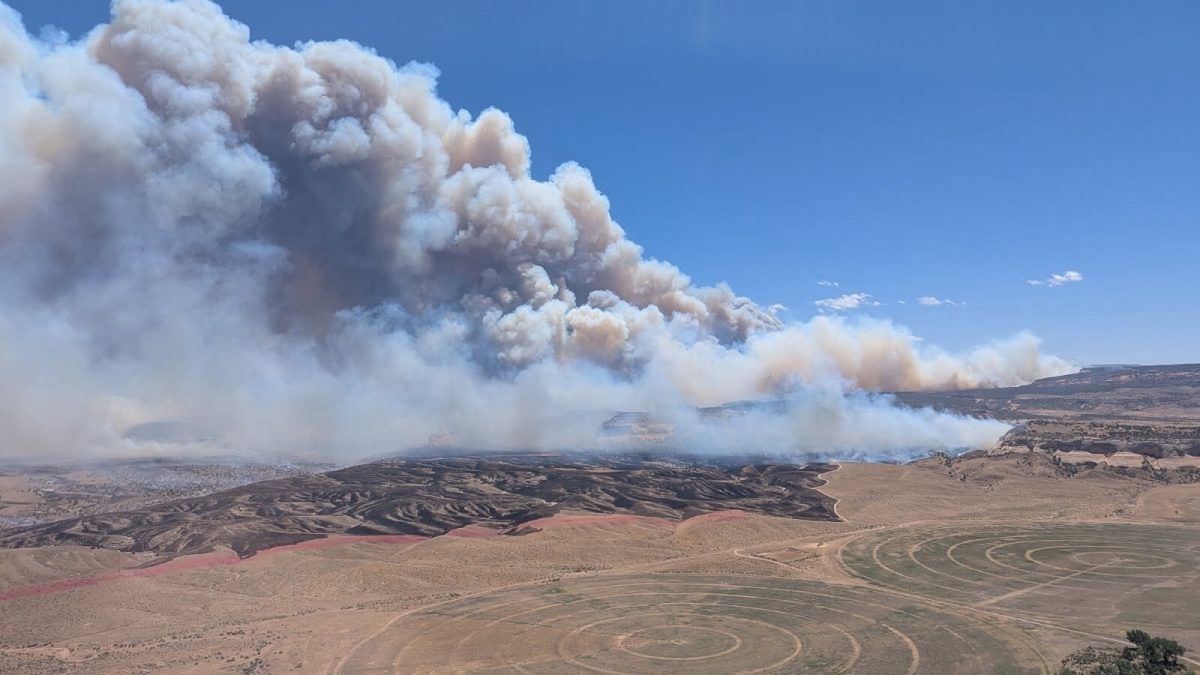
Snyder Wildfire Claims 3 Lives, 2 Injured in Utah-Colorado Border Region
3 firefighters killed 2 injured responding – A devastating wildfire on the Utah-Colorado border has claimed the lives of three firefighters and injured two others, according to the U.S. Wildland Fire Service. The incident occurred on Saturday, June 27, 2026, during efforts to control the Snyder Fire, which rapidly spread across the rugged terrain. The agency confirmed the casualties overnight, highlighting the perilous conditions faced by emergency responders. The tragedy serves as a stark reminder of the risks inherent in combating wildfires in remote areas with unpredictable weather patterns.
Fire Origin and Regional Spread
The Snyder Fire began as the Snyder Mesa Fire in Grand County, Utah, on June 27, 2026, before merging with two smaller blazes—Jones and Knowles Fires—in Mesa County, Colorado. This convergence intensified the fire’s threat, prompting authorities to classify it as the primary wildfire. The blaze, now covering 28,000 acres, remains at 0% containment, forcing evacuation alerts in nearby communities. The proximity of the fire to the border complicates coordination between Utah and Colorado emergency teams, as both regions mobilize resources to manage the situation.
Smoke from the fire has affected air quality in surrounding areas, with officials warning of potential health risks for residents. The fire’s location in the Four Corners region—where Utah, Colorado, Arizona, and New Mexico meet—adds another layer of complexity due to its diverse ecosystems and challenging topography. Despite the difficulties, firefighters continue their efforts to contain the blaze, which has become a focal point for regional emergency management.
Response and Heroic Sacrifice
The U.S. Wildland Fire Service issued a statement honoring the bravery of the firefighters who lost their lives during the incident. “Our immediate focus is on supporting their families, friends, and crewmates during this difficult time,” the agency said, emphasizing the dedication of those involved. This sentiment was shared by local officials who recognized the risks of wildfire suppression in such a volatile region. The quote underscores the significant sacrifices made by first responders in the face of extreme danger.
“Our immediate focus is on supporting their families, friends, and crewmates during this difficult time,” the U.S. Wildland Fire Service said, reflecting on the heroic actions of the firefighters involved in the Snyder Fire. The statement praised their “commitment and courage” amid the ongoing crisis.
While details about the firefighters’ specific roles in the incident were not immediately released, the agency confirmed they were engaged in suppression efforts when the tragedy struck. The event has reignited conversations about the importance of safety protocols and resource allocation in wildfire response operations. The loss of three firefighters and two injured responders underscores the need for continued vigilance in the region’s fire-prone areas.
Disaster Emergency and Broader Wildfire Context
Colorado Governor Jared Polis declared a disaster emergency in response to the Snyder Fire, aiming to accelerate resource distribution and support for affected communities. The declaration highlights the fire’s potential to escalate, threatening critical infrastructure and ecosystems. Polis emphasized the urgency of the situation, noting the need for coordinated efforts between states to mitigate the blaze’s impact.
The Snyder Fire joins a series of active wildfires in the Four Corners region, including the Cottonwood Fire in Utah, which has burned 92,254 acres, and the Iron Fire, which spans 41,467 acres with 38% containment. The Cherry Fire, also burning in Utah, remains at 0% containment. These blazes collectively illustrate the severity of the wildfire season and the strain on emergency resources. The continued spread of fires across the border region underscores the challenges of managing large-scale disasters in interconnected landscapes.
Community Impact and Environmental Damage
The Snyder Fire has disrupted local communities, leading to evacuation orders in Mesa County, Colorado. Residents have been forced to leave their homes, creating a temporary upheaval for families. The fire’s proximity to populated areas has also raised concerns about air quality and visibility, with smoke lingering in the region. Officials warn that the blaze could grow further, especially with high temperatures and dry conditions persisting, adding to the challenges faced by crews.
Environmental assessments are ongoing to evaluate the fire’s effect on natural habitats and wildlife. The Utah-Colorado border, known for its arid climate and dense forests, presented unique challenges in containing the blaze. Firefighters encountered steep slopes and erratic wind patterns, which contributed to the fire’s intensity. Despite these obstacles, teams remain committed to protecting both human and natural environments from the expanding threat.