
How bushmeat, burial rites and disinformation make the DRC an Ebola hotspot
How bushmeat, burial rites and disinformation make the DRC an Ebola hotspot
How bushmeat burial rites and disinformation – The Democratic Republic of Congo (DRC) has become a focal point for the resurgence of a deadly Ebola strain, with recent outbreaks claiming over 100 lives and sparking international concern. This central African nation, which has hosted 17 recorded Ebola outbreaks—more than any other country—continues to grapple with the virus, which remains a persistent public health threat. A particularly severe outbreak in 2018-2020 resulted in the deaths of 2,299 individuals, highlighting the virus’s capacity to disrupt communities and overwhelm healthcare systems. Now, the latest wave of infections is centered in the eastern region, raising fears of a new global emergency.
Origins in the Wild
Ebola, a virus with a reputation for causing severe illness and high mortality, begins its journey in wildlife. The World Health Organization (WHO) identifies fruit bats, porcupines, and non-human primates like monkeys as potential reservoirs for the virus. Transmission to humans occurs through direct contact with the blood or bodily fluids of infected animals, a process often linked to the practice of hunting and consuming bushmeat. This dietary staple—encompassing species such as grasscutters, antelopes, and monkeys—remains deeply embedded in the culture of the DRC’s rural populations. For those living in the heart of the Congo Basin, where forests dominate the landscape, bushmeat is not just a food source but a lifeline, contributing up to 80% of the local protein intake.
A Chain of Contagion
Once the virus infiltrates human populations, it spreads rapidly. Close contact with contaminated surfaces or bodily fluids facilitates transmission, making containment difficult in densely populated areas. The current outbreak is fueled by the Bundibugyo strain, a rare and aggressive form of the virus that has yet to have a licensed vaccine or treatment. Unlike the more prevalent Zaire strain, which has seen targeted interventions, the Bundibugyo variant presents a unique challenge, as it lacks the same level of medical countermeasures. Scientists have long noted that human interaction with wildlife—especially in regions where hunting is a daily necessity—creates a perfect storm for viral spillover events.
Geography and Survival
The DRC’s vast, dense forests, covering over 150 million hectares, serve as a natural reservoir for Ebola. These expansive ecosystems provide shelter for the virus’s animal hosts, making them a breeding ground for outbreaks. For many residents in the Congo Basin, hunting wild animals is not a choice but a necessity. With over 80% of the nation’s 100 million people living in extreme poverty, reliance on bushmeat is a critical adaptation. Eteni Longondo, a former DRC public health minister, emphasizes that this practice is deeply rooted in tradition and survival, complicating efforts to curb its role in spreading the virus. “It starts from the forest, and we don’t have any control there,” he explained to CNN, noting that shifting long-standing cultural habits is a slow process.
Conflict and Crisis
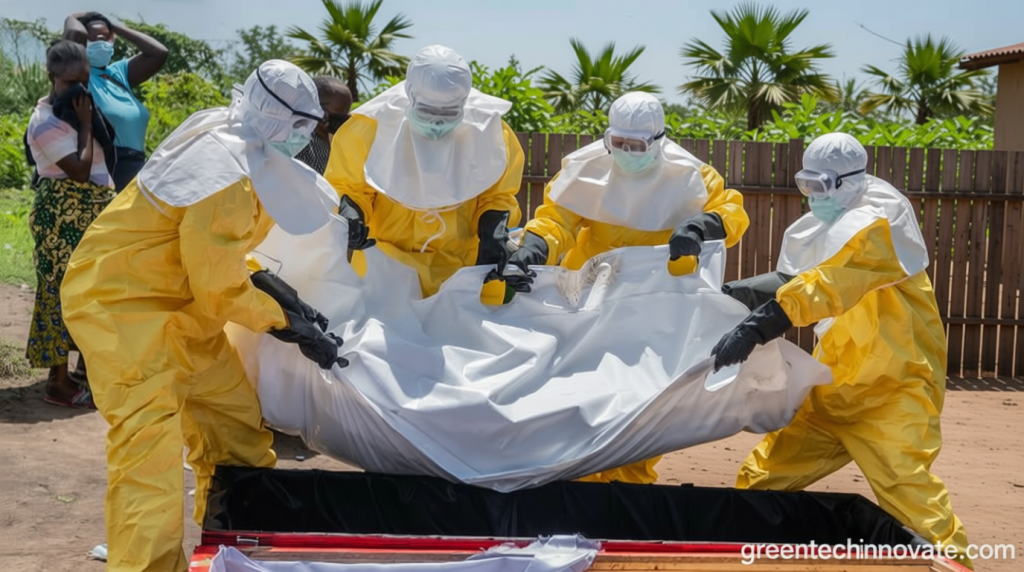
The eastern DRC, already a hotspot for Ebola, faces additional challenges due to ongoing conflict. An active armed rebellion has not only displaced millions but also exacerbated food shortages, forcing communities to rely more heavily on bushmeat. The rebels, who control key territories in South Kivu province, have confirmed a new Ebola case in Bukavu. The patient, a 28-year-old, succumbed to the illness and was buried in accordance with local traditions, which often involve touching the deceased. In Goma, another major city in the east, a separate case was identified, underscoring the virus’s spread into urban areas. This dual threat of disease and conflict has created a volatile environment where health officials struggle to implement effective measures.
Spread Beyond Borders
The virus has not remained confined to the DRC. Neighboring Uganda has reported confirmed cases, with two laboratory-verified instances in its capital, Kampala. These cases involved individuals who had traveled independently from the DRC, with no direct connection between them. This cross-border transmission highlights the interconnectedness of the region and the need for coordinated efforts to combat the outbreak. The WHO has traced the majority of cases to the eastern province of Ituri, where the provincial capital, Bunia, and mining towns such as Mongwalu and Rwampara are experiencing high rates of infection. The rapid response team deployed in May confirmed the outbreak’s identification as the Bundibugyo strain on May 15, following initial reports of an “unidentified illness” with alarming fatality rates.
Disinformation and Fear
While the virus poses a biological threat, its spread is also influenced by cultural beliefs and misinformation. In Bunia, community mobilizer Valet Chebujongo notes that panic is widespread, though he attributes much of it to myths rather than the virus itself. “People are panicking,” he said, adding that fears stem from stories of a “circulating phantom coffin” that is believed to carry death with just a glance. Such superstitions not only deepen public anxiety but also hinder containment strategies. “You cannot tell people to stop with their culture, and then they just stop right away,” Chebujongo explained. “They are still eating them because they don’t have another alternative.”
The DRC’s struggle with Ebola is compounded by its economic and social challenges. Despite its mineral wealth, the nation’s citizens endure extreme poverty, making it harder to access medical resources or maintain hygiene standards. In regions where infrastructure is limited, the virus’s spread is further accelerated by the lack of effective communication and education. Health officials face a daunting task of balancing the need to control outbreaks with the cultural significance of bushmeat and burial rituals. As the Bundibugyo strain continues to threaten communities, the focus remains on addressing both the biological and societal factors that keep the DRC at the center of the global Ebola crisis.
