
Doctor from hantavirus-stricken ship tests negative, moves out of biocontainment unit
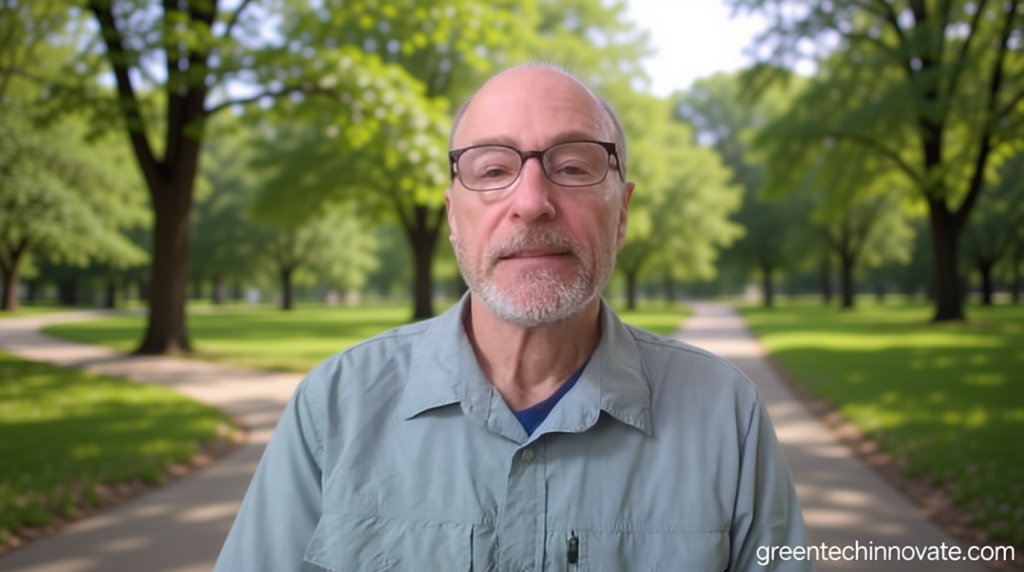
Doctor from Hantavirus-Stricken Ship Tests Negative, Leaves Biocontainment
Doctor from hantavirus stricken ship tests – Dr. Stephen Kornfeld, a cancer specialist who was aboard the MV Hondius when the hantavirus outbreak began, has now tested negative for the virus and is no longer in the biocontainment unit at the University of Nebraska Medical Center. The 69-year-old Oregon-based physician initially showed mild symptoms consistent with a viral infection, but his early test results were inconclusive. After further testing, including confirmatory PCR analysis, Kornfeld’s status has been cleared, allowing him to transition out of the high-level isolation facility. His case has sparked discussions about the accuracy of diagnostic tests and the evolving understanding of the virus’s symptoms.
Outbreak Response and Diagnostic Challenges
Health officials have confirmed that 11 hantavirus cases have been linked to the MV Hondius cruise ship. Dr. Kornfeld’s initial positive result was included in that count, though his latest test outcomes suggest a possible resolution to his condition. The virus, which is typically spread through rodent excrements and can lead to severe respiratory complications, has been a focus of international attention due to its potential for rapid transmission in enclosed spaces. The Centers for Disease Control and Prevention (CDC) continues to monitor the situation closely, emphasizing the need for updated protocols to address uncertainties in early detection.
“At the time, it was felt like this is just some virus,” Kornfeld stated during an interview. “Now, in hindsight, we wonder if it could have been hantavirus, but there’s still no definitive proof.”
The Nebraska medical center, where Kornfeld was placed in biocontainment, is equipped to handle highly infectious diseases. While his negative test results are a relief, health experts caution that the virus’s long incubation period means symptoms may not manifest for weeks. This delay complicates efforts to track the outbreak’s progression and ensures that all potentially exposed individuals remain under observation. The CDC has advised a 42-day monitoring period for those at risk, including passengers and crew members of the MV Hondius.
Quarantine Protocols and Public Health Measures
As of now, 15 American passengers from the MV Hondius are in a quarantine unit, while two others are being monitored at Emory University in Atlanta. None of the individuals have developed symptoms, but officials stress the importance of continued surveillance. The World Health Organization (WHO) has updated its case tally, highlighting the global interest in the outbreak. Dr. Kornfeld’s case serves as a critical data point in assessing the virus’s behavior and the effectiveness of current testing methods.
Despite the initial alarm, the virus’s symptoms often mimic those of common illnesses like the flu, leading to confusion in early diagnosis. This ambiguity has raised questions about the reliability of rapid testing procedures and the need for more advanced diagnostic tools. While some nations have implemented stricter measures, the CDC has opted for a more targeted approach, focusing on individuals exhibiting clear signs of illness. This strategy aims to optimize resources while minimizing unnecessary isolation.
“Our goal is to ensure individuals are in the most suitable environment for their health status,” said Dr. David Fitter, CDC’s incident manager for the hantavirus response. “Dr. Kornfeld’s case demonstrates how testing can evolve as more information becomes available.”
With the doctor’s negative test results, the focus of the outbreak response has shifted to managing ongoing cases and preventing further spread. Health authorities are working to refine their protocols, balancing precaution with the practicality of resource allocation. The MV Hondius incident underscores the importance of vigilance in public health, particularly in environments where close contact and shared spaces increase transmission risks. As the situation unfolds, updates on Dr. Kornfeld’s health and the virus’s impact will remain a priority for medical and health organizations worldwide.
