
Trump Admin Reveals List of Civil Rights, Climate Change Materials Removed from National Parks
Public Release Sparks Debate on Historical Representation
Trump administration reveals list of civil – The Trump administration has revealed a list of materials removed from national parks, including content on civil rights, climate change, and environmental science. This compilation, shared in a recent legal filing, details the items taken down, their locations, and the reasoning provided by the National Park Service (NPS) for their removal. The Interior Department is contesting a federal judge’s order to restore these materials ahead of the America 250 celebration on July 4. While the list includes contextual information, it does not present the actual content of the removed items, leaving questions about the specifics of what was deleted.
The list encompasses a range of topics, such as civil rights milestones, climate change initiatives, and diverse population contributions. At sites like Acadia National Park and Jamaica Bay Wildlife Refuge, signs addressing climate change were removed, while materials related to civil rights and slavery were taken down from locations including the National Mall and Medgar and Myrtle Evans Home National Monument. The administration claims these materials no longer reflect the central mission of national parks, which they argue should focus on American history and natural heritage.
Administrative Rationale Reflects Ideological Shift
The NPS outlined its rationale for the removals, stating that civil rights content was seen as “disparaging Americans past or living,” while climate change materials were deemed “unrelated to the beauty and grandeur of the national landscape.” A spokesperson for the Interior Department reiterated these points, emphasizing that the revised materials align with the administration’s vision of historical clarity. This approach has drawn criticism from historians and environmental advocates who argue it oversimplifies complex narratives.
“We believe politically charged language that denigrates our Founding Fathers is inappropriate and further divides Americans,” the spokesperson said. “Our goal is to present a more unified account of the nation’s heritage.”
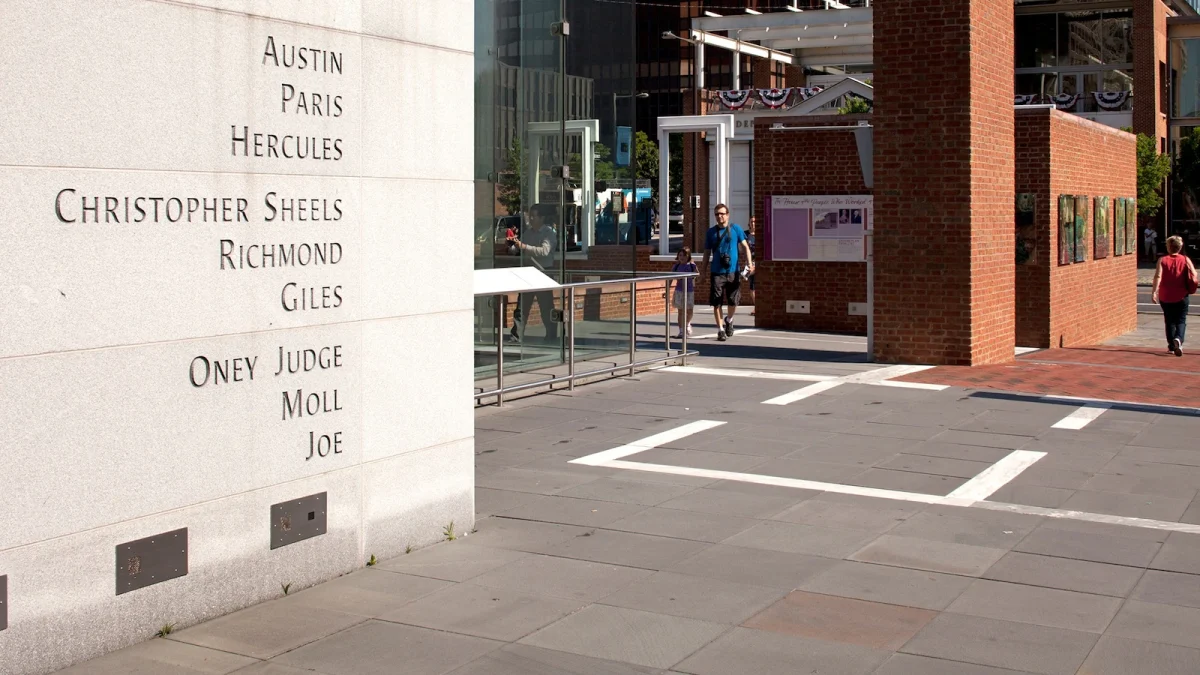
The removals include references to enslaved individuals at the President’s House in Philadelphia and women’s rights at Jamaica Bay Wildlife Refuge. Critics argue that these changes erase important aspects of the country’s history, prioritizing a singular narrative over diverse perspectives.
Judge Orders Restoration of Removed Content
U.S. District Judge Angel Kelley ruled that the materials should be restored, calling the removals a “dangerous precedent of censorship and sanitization.” Her order, issued on Friday, required the administration to reinstate all items by July 3, stressing the need to preserve a comprehensive view of American history. The Interior Department has appealed the decision, claiming the restoration would cause “irreparable harm” to the national parks’ historical integrity.
In response to the ruling, the administration submitted a motion for an emergency stay, requesting a temporary halt to the restoration process. Judge Kelley, however, emphasized that the list of changes and the current state of materials were essential for her evaluation. The case highlights the tension between preserving historical narratives and aligning them with contemporary political ideologies.
Executive Order Fuels Controversy Over Historical Accuracy
The removals followed an executive order signed by President Donald Trump on March 27, 2025. This directive aimed to eliminate content that portrays the U.S. in a “negative light,” including references to slavery and Native American displacement. While the order was framed as a way to highlight the nation’s achievements, it has sparked debate over whether it marginalizes critical historical events.
Advocacy groups have challenged the executive order, arguing that it undermines the National Park Service’s mission to educate the public on the full scope of American history. They contend that removing materials on civil rights and climate change erases important contributions to the nation’s development. The ongoing legal battle underscores the role of national parks as both cultural landmarks and educational spaces.
Despite the controversy, the administration maintains that its revisions improve the visitor experience by focusing on core themes of national pride and heritage. The list of removed materials serves as a documented record of this effort, offering a glimpse into how political priorities shape historical storytelling in public spaces. As the case moves forward, it will likely influence future discussions about the balance between ideology and education in national parks.