
WHO warns of health crisis ‘unfolding in real time’ across Middle East
WHO warns of health crisis ‘unfolding in real time’ across Middle East
Dr. Hanan Balkhy, the World Health Organization’s regional director for the Eastern Mediterranean, has urged an immediate pause in hostilities across the Middle East to avert a “health crisis unfolding in real time.” She emphasized that healthcare facilities must be treated as “safe havens” to shield patients and medical personnel from escalating violence. Officials are currently updating protocols and preparing for potential impacts on nuclear sites, with attacks on water desalination plants described as “a disaster” due to their critical role in sustaining populations.
The region spans 22 countries and territories, including Iran, the Gulf states, Gaza, Sudan, Afghanistan, and Pakistan. Balkhy highlighted that while the situation has been challenging for some time, the current crisis marks a “regional health emergency developing in real time” across multiple areas. This crisis, she stressed, extends beyond loss of life, threatening the collapse of healthcare access in unprecedented ways. “It’s not just about lives being lost. It’s about a breakdown of healthcare systems in dimensions far beyond what we imagined,” she said.
“My worry is driving me to prepare and have my teams ready. That’s what we’re doing,” Balkhy added, speaking ahead of Iran’s Atomic Energy Organization reporting a projectile strike on the Bushehr nuclear power plant on Tuesday night. The same facility had already been targeted on 17 March, underscoring the ongoing risks to critical infrastructure.
Conflict-related casualties have surged, with over 1,000 deaths in Lebanon, 1,500 in Iran, and 16 in Israel, according to local authorities. Additionally, more than a dozen fatalities were reported in the West Bank and Gulf Arab states. Balkhy pointed out that disruptions to healthcare services have been severe, with chronic illness patients facing treatment delays due to hospital closures and mass displacement. “Within less than a month, 3.2 million have been displaced in Iran, and over a million in Lebanon,” she noted, emphasizing the scale of humanitarian impact.
Long-term consequences of the conflicts, she warned, could persist even after fighting ceases. Concerns include rising maternal mortality, mental health crises, and children becoming orphaned and denied education. The threat of nuclear sites being struck, whether intentionally or by accident, looms large. “I’m very, very worried about the health effects if desalination plants are further targeted,” Balkhy said, citing the potential for widespread water shortages in Gulf countries.
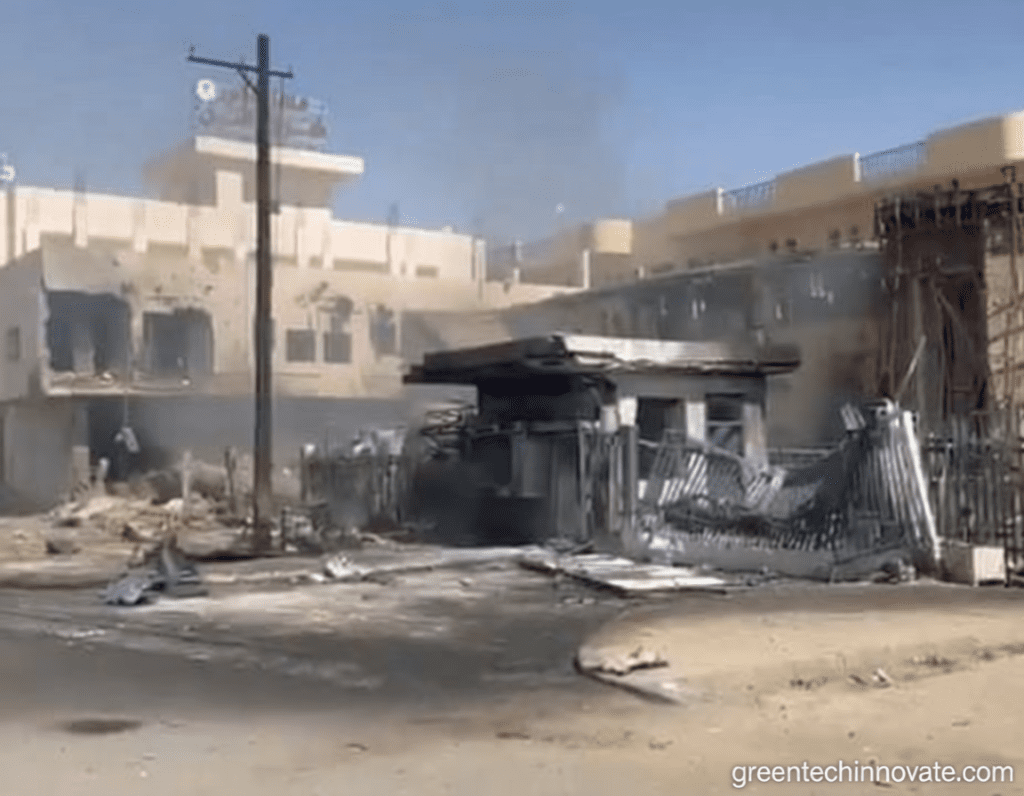
Balkhy also warned that attacks on oil or nuclear facilities could contaminate underground water sources via rainwater runoff. “Even if other water sources remained available, they could become polluted,” she explained. The WHO has documented dozens of attacks on healthcare facilities in Lebanon, Iran, and Israel since the US-Iran war began, with a recent strike on El-Daein teaching hospital in East Darfur, Sudan, resulting in at least 70 deaths, including 13 children, and rendering the hospital inoperable.
She criticized the global focus on the US-Iran conflict, arguing that crises in Gaza, Sudan, and Yemen are being overlooked. “It is distressing because behind that neglect, there is immense suffering—death, illness, displacement, and unaddressed hardship,” Balkhy said. Her call to action centers on securing the healthcare sector, urging all parties to avoid targeting hospitals, medical staff, and patients. “Let’s create safe zones for healthcare,” she insisted, emphasizing the urgency of international humanitarian law compliance.
