
US not ready to seek deal to end war with Iran, Donald Trump says
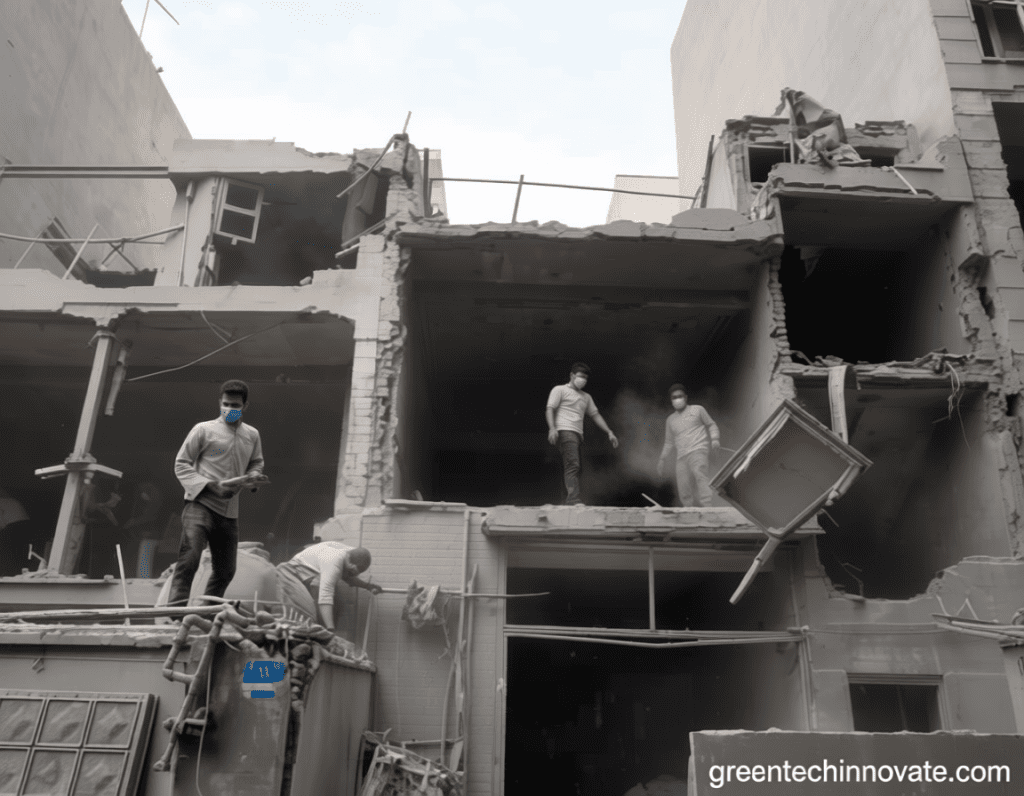
US not ready to seek deal to end war with Iran, Donald Trump says
Donald Trump has indicated that the United States is not yet prepared to pursue a diplomatic resolution to halt the ongoing military campaign against Iran, stating that while Tehran appears interested in negotiating a truce, Washington aims to secure more favorable conditions before agreeing to any compromise. His remarks were made during an interview with NBC News, coming as Iran escalated its attacks with missiles and drones across the Gulf and into Israel, and Israeli and American aircraft carried out fresh strikes on Iranian territory.
The conflict has intensified regional instability, causing widespread disruption to global air travel and threatening oil exports through the Strait of Hormuz, a critical maritime route responsible for roughly 20% of the world’s energy supply. Despite rising casualties and soaring fuel prices, neither Iran nor the United States has shown signs of easing their aggressive postures. Trump hinted at further military action, suggesting that US warplanes might target Kharg Island once more “just for fun,” following Friday’s strikes on its key oil infrastructure.
“Iran wants to make a deal, and I don’t want to make it because the terms aren’t good enough yet,” Trump asserted, emphasizing the need for stronger leverage in future negotiations. He also mentioned plans to intensify air strikes on Iranian coastal areas near the strait to ensure the safe passage of oil tankers. Analysts note that Iran’s capacity to disrupt shipping via missiles, drones, or small vessels makes it challenging for the US to fully reopen the strait through force alone. To counter this, Trump proposed involving allied naval forces to safeguard commercial vessels traversing the waterway.
Amid the escalating hostilities, more than 600 ships remain stranded in the Red Sea, according to recent reports. Iran’s foreign minister, Abbas Araghchi, called for restraint in an exchange with his French counterpart, Jean-Noël Barrot, urging nations to avoid measures that could worsen the crisis. However, Iran’s new supreme leader, Mojtaba Khamenei, has pledged to keep the Strait of Hormuz closed, a stance that Trump questioned, claiming: “I don’t know if he’s even alive. So far, nobody has been able to show him.”
Khamenei, 56, sustained injuries in the initial attack on February 28 that killed his father, the previous supreme leader, though Iranian officials described the wounds as minor. Meanwhile, the Israeli military launched strikes targeting Iranian sites in the west, following a condemnation of Prime Minister Benjamin Netanyahu by Iran’s Revolutionary Guards, who labeled him a criminal and vowed to pursue him. Despite the violence, Tehran’s daily life showed signs of resilience, with traffic increasing and some eateries reopening in anticipation of Nowruz, the Persian new year, just five days away.
Witnesses reported a return to routine in parts of the capital, though challenges persisted. At Bank Melli, one of Iran’s largest financial institutions, online services had been disrupted, prompting some shoppers to queue at ATMs. In contrast, bus stops remained eerily quiet, reflecting the broader sense of unease gripping the region. The International Committee of the Red Cross has documented over 1,300 deaths in Iran due to US and Israeli airstrikes, including 223 women and 202 children, as reported by the Iranian health ministry via Mizan, the judiciary’s news outlet.
The UN refugee agency estimates that up to 3.2 million Iranians have fled their homes, primarily seeking refuge from the capital and other urban centers. Araghchi, in a rare diplomatic reference, told Al-Araby Al-Jadeed that Iran is open to any proposal offering a “complete end” to the war, though no independent progress has been confirmed. Turkish officials, however, have expressed willingness to mediate between Iran and its neighbors to reduce tensions. Meanwhile, violence continues in Iraq, where pro-Iranian groups have attacked US diplomatic sites and military bases, prompting the US to advise its citizens to evacuate the country.
“I don’t know if he’s even alive. So far, nobody has been able to show him.”
