
The Impact of Scream 1: A Groundbreaking Horror Film of Its Era
The Impact of Scream 1: A Groundbreaking Horror Film of Its Era
The Scream franchise, initiated by the release of Scream 1 in 1996, redefined the horror genre and left a lasting influence on both the audience and the filmmaking industry. Directed by Wes Craven and written by Kevin Williamson, Scream 1 not only revived interest in slasher films but also introduced a self-aware, meta-narrative that felt both fresh and nostalgic. This film’s impact goes beyond its plot twists and iconic killer mask—it redefined what horror could be in the modern cinematic landscape.
The Birth of a New Kind of Horror
Before Scream 1, the horror genre had grown somewhat stale, stuck in a cycle of predictable tropes and sequels that no longer captured audiences as they once had. Craven’s Scream 1 was revolutionary in its approach by blending traditional slasher elements with witty, self-referential dialogue and characters who were acutely aware of the genre’s rules. This self-awareness allowed the film to both acknowledge and subvert the audience’s expectations, creating a tension that hadn’t been seen before.
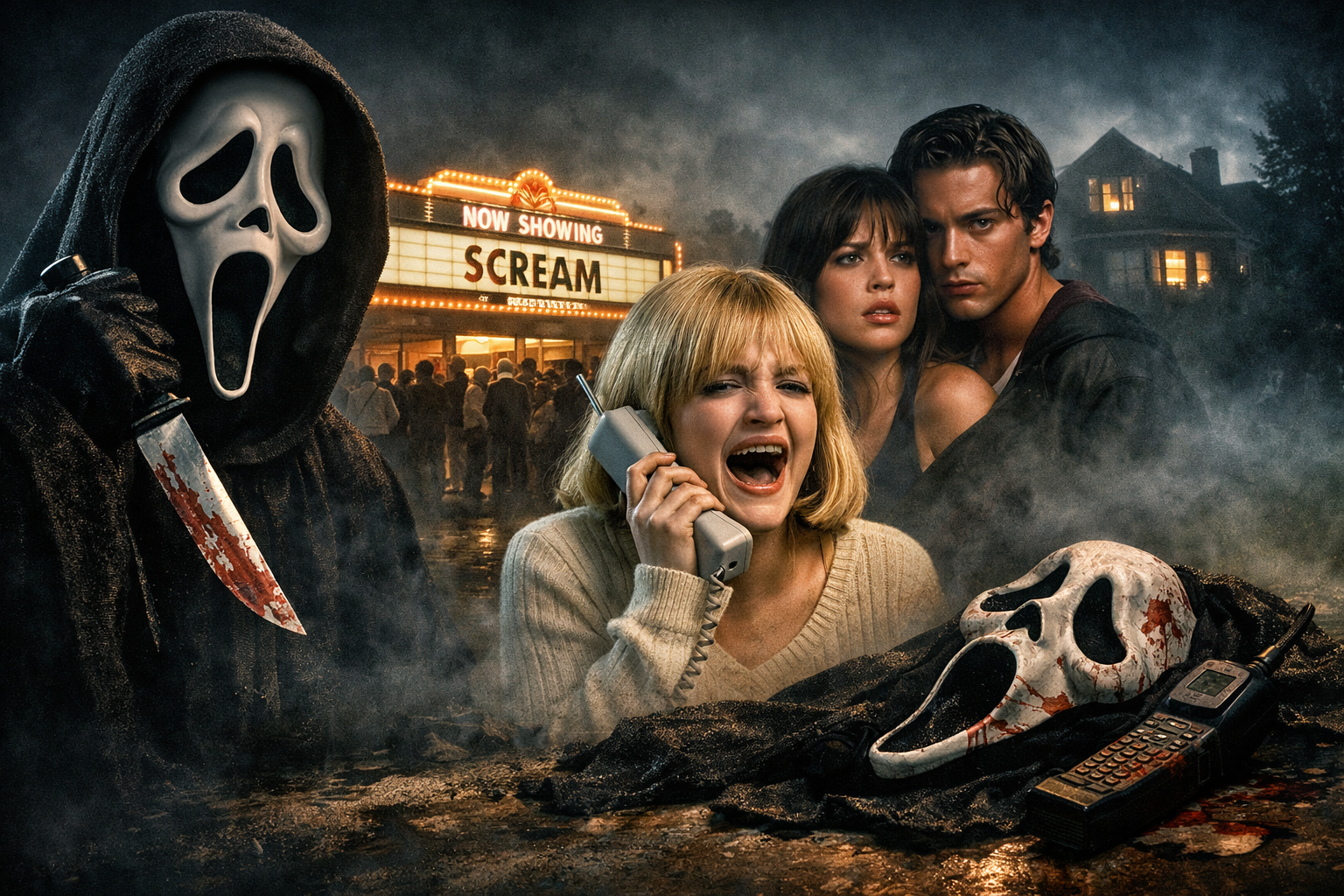
The film opened with a nerve-wracking sequence, where a young Drew Barrymore’s character is targeted by a mysterious killer, and this moment alone showcased the film’s subversion of horror conventions. Not only was the opening scene shocking, but it also quickly established that no character, no matter how prominent, was safe—an important lesson in the Scream 1 legacy.
The Impact on Horror Genre Conventions
One of Scream 1‘s most significant contributions to the genre was its ability to deconstruct the typical slasher movie and provide a fresh take. By having the characters reference classic horror movies like Halloween and Friday the 13th, Scream 1 acknowledged the conventions of the genre but also critiqued them. This layer of meta-horror became a blueprint for films that followed, where characters could actively comment on the tropes they were trapped in.
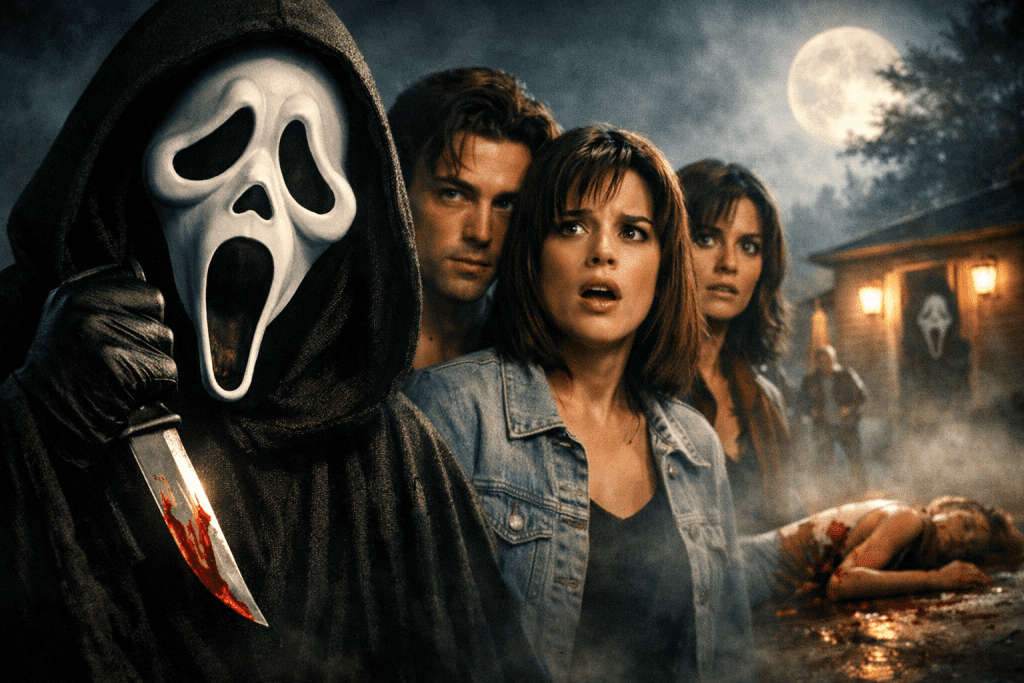
The film’s killer, Ghostface, was also an iconic departure from the heavily armored, almost supernatural killers of previous decades. Instead, Ghostface was a human, a person hiding behind a mask, which made the threat more personal and terrifying. It added a sense of realism and vulnerability to the horror, making it all the more relatable to the audience. This shift away from invincible killers made the stakes feel much more immediate.
The Resurgence of Slasher Films
After the success of Scream 1, the horror genre saw a resurgence in slasher films. The clever balance between humor and horror, coupled with the film’s meta commentary, influenced a wave of films that followed, such as I Know What You Did Last Summer and Urban Legend. These films attempted to capture Scream 1‘s magic by blending traditional horror with a modern sensibility, yet none quite reached the same heights of innovation.
The success of Scream 1 also demonstrated the commercial viability of horror films that were both self-aware and geared toward a younger audience. By appealing to teens with its mix of slasher thrills, suspense, and moments of humor, Scream 1 redefined the market for horror movies in the 1990s.
A New Icon: Ghostface and Horror Pop Culture
The image of Ghostface became synonymous with the Scream franchise, becoming one of the most recognizable horror figures in modern pop culture. The mask itself, designed by Fun World’s Brigitte L. “Boo” Coe, has since been replicated, parodied, and referenced in countless other films, television shows, and even Halloween costumes.
Ghostface represented the blending of the classic masked killer trope with something more grounded and psychologically unsettling. The mask’s blank, expressionless face combined with its eerie voice made it both a symbol of terror and a character with the potential for deep human motivations—something that was often explored throughout the series.
Scream 1’s Enduring Legacy in Modern Horror
The Scream 1 formula, combining horror with humor, meta-commentary, and self-awareness, has had a lasting impact on modern filmmaking. It paved the way for movies like The Cabin in the Woods, Tucker & Dale vs. Evil, and Happy Death Day, which all leaned heavily on deconstructing the genre while still delivering the necessary thrills to keep audiences engaged.
The film also influenced how horror could interact with other genres, encouraging filmmakers to blur the lines between thriller, dark comedy, and horror. In many ways, Scream 1 set the tone for the future of meta-horror, where the lines between what’s real and what’s scripted are constantly blurred for effect.
Conclusion
Scream 1 was a groundbreaking film that changed the horror genre forever. Through its innovative blend of self-referential humor, terrifying suspense, and iconic characters, it breathed new life into the slasher genre. More than just a horror movie, it reshaped the way audiences viewed the conventions of the genre, while also demonstrating that horror could be both scary and witty. Its influence continues to resonate in the horror films of today, ensuring that Scream 1 will always remain a vital part of cinema history.
FAQ
Q: What makes Scream 1 different from other slasher films?
A: Scream 1 stands out by combining traditional slasher elements with a meta-narrative, where characters are aware of horror movie clichés and use them to survive. This unique self-awareness set it apart from other slasher films.
Q: How did Scream 1 influence future horror films?
A: Scream 1 redefined the horror genre by mixing humor with suspense and deconstructing genre tropes. Its success led to a resurgence of slasher films and inspired a generation of meta-horror movies.
Q: Who is the killer in Scream 1?
A: The killer in Scream 1 is revealed to be multiple characters. Ghostface, the masked figure, is portrayed by different people in each installment of the franchise, with their motivations varying depending on the storyline.
Q: Is Scream 1 considered a classic?
A: Yes, Scream 1 is widely regarded as a classic. Its innovative approach to horror, clever writing, and iconic characters have made it an essential film in the horror genre.
Q: Why is Ghostface such an iconic figure?
A: Ghostface became an iconic figure due to the character’s simple but chilling design—a blank, expressionless mask and a haunting voice, making it both terrifying and easily recognizable across pop culture.
