
Jürgen Habermas, one of Germany’s leading philosophers, dies
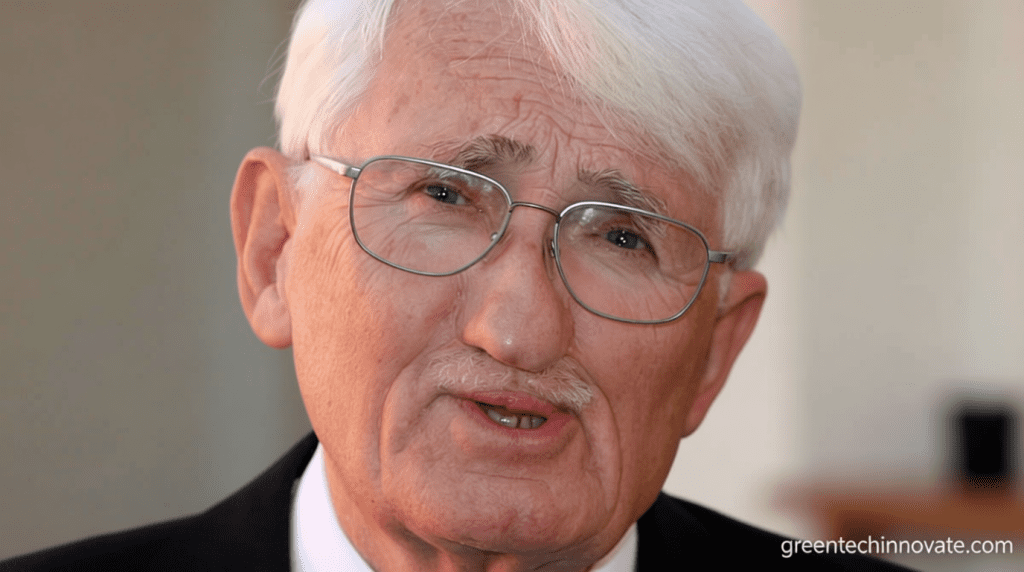
The Passing of Jürgen Habermas, Germany’s Renowned Philosopher
Jürgen Habermas, a prominent German philosopher, has passed away at the age of 96. His publishing house, Suhrkamp, confirmed the news of his death on Saturday. Known for his profound impact on postwar philosophy, Habermas left an indelible mark through his work on communication, rationality, and sociology.
Philosophical Contributions
Habermas’ reimagining of the “Critical Theory” initiated by Theodor Adorno and Max Horkheimer earned him global recognition. This framework examines society, politics, and culture, often challenging entrenched power dynamics and ideological frameworks. As the final remaining member of the Frankfurt School, he continued to address pressing political issues throughout his life.
Among his most celebrated works are the two-volume “Theory of Communicative Action,” published in 1981. His theories reshaped discussions on rationality and societal structures, establishing him as a central figure in contemporary German thought.
Early Life and Influences
Born in Düsseldorf in 1929, Habermas was part of the Hitler Youth as a young man. However, the collapse of Nazism at age 15 profoundly shaped his worldview. He later reflected on this period, noting that the atrocities revealed “a politically criminal system in which you had lived.”
His physical challenges also influenced his intellectual development. Habermas was born with a cleft palate and underwent multiple corrective surgeries in childhood. He credited these experiences with deepening his understanding of language and its role in societal communication.
Engagement with the Left-Wing Movement
During the 1960s, Habermas maintained a complex relationship with the German left-wing student movement. While he participated in their activities, he cautioned against radicalization and the use of violence, warning of the “danger of left-wing fascism.” Over time, he acknowledged the movement’s role in fostering a “fundamental liberalisation” of German society.
Personal Life
Habermas’ wife, Ute Habermas-Wesselhoeft, passed away in 2025. Together, they raised three children: Tilmann, Rebekka (who died in 2023), and Judith. His legacy endures through his writings and the ongoing influence of his ideas on political and philosophical discourse.
“You saw suddenly that it was a politically criminal system in which you had lived.” – Jürgen Habermas
