
Musk loses case against OpenAI
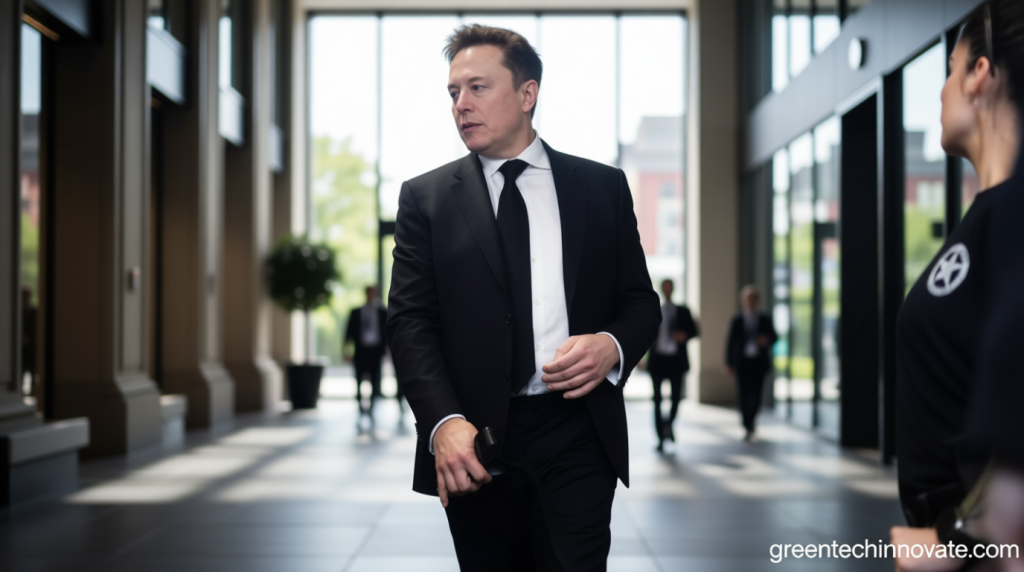
Elon Musk Loses Legal Battle Against OpenAI
Musk loses case against OpenAI – Elon Musk’s lawsuit against OpenAI has concluded with a decisive ruling in favor of the AI research company. On Monday, a jury in Oakland, California, dismissed Musk’s case, citing the expiration of the statute of limitations as the primary reason. The verdict, delivered after roughly 90 minutes of deliberation, effectively ended a high-profile dispute that centered on Musk’s claim that OpenAI’s leaders had misused charitable contributions to benefit themselves. Judge Yvonne Gonzalez Rogers echoed the jury’s decision, affirming that the court would adopt their findings, stating, “The evidence supporting the jury’s conclusion is robust, and we are aligned in dismissing this claim.”
Statute of Limitations and Timeline Disputes
Musk had initiated the lawsuit in February 2024, alleging that OpenAI’s executives had “stolen a charity” by shifting the company’s financial model to a for-profit structure. However, the jury found that Musk’s delay in filing the case—until after he had launched his own AI venture, xAI—undermined his credibility. Legal experts noted that the statute of limitations argument was a critical factor, as the claim had been filed more than a year after the alleged misconduct. This timeline discrepancy was central to OpenAI’s defense, which argued that Musk’s actions were not timely enough to warrant judicial intervention.
The case also hinged on Musk’s financial contributions to OpenAI. He had invested over $38 million in the organization during its formative years, which he claimed were conditional on maintaining its nonprofit status. OpenAI’s legal team countered that Musk had never formally demanded such terms, using internal documents like emails and meeting notes to demonstrate his awareness of strategic changes as early as 2021. These materials, including Brockman’s personal diaries and exchanges with Meta’s Mark Zuckerberg, were pivotal in proving Musk’s delay.
OpenAI’s Strategic Shifts and Musk’s Allegations
OpenAI’s defense emphasized that the company’s mission remained intact despite its financial restructuring. Their legal arguments focused on the nonprofit foundation’s continued oversight and the broader context of AI development. “The jury’s decision confirms that Musk’s lawsuit was an attempt to disrupt OpenAI’s growth,” stated one of the attorneys. Musk, however, accused OpenAI of betraying its original charitable goals, arguing that the shift to a for-profit model compromised its purpose. The case also raised questions about Microsoft’s role, as its significant investments were seen as accelerating OpenAI’s transformation into a major tech player.
The trial brought to light Musk’s personal ties to OpenAI. Shivon Zilis, a former board member and executive at Musk’s companies, testified about her close relationship with the former CEO. She described how Musk had remained involved in OpenAI’s operations even after his departure in 2018, acting as a liaison between the leadership and the organization’s founders. This connection was highlighted as evidence of Musk’s ongoing influence and potential conflict of interest in the case. Additionally, the legal proceedings underscored Google’s early partnership with OpenAI, fueling debates about the company’s evolving role in the AI landscape.
Reactions and Long-Term Implications
Musk, who often uses social media to voice his opinions, swiftly criticized Judge Gonzalez Rogers following the verdict. He accused her of favoring OpenAI and setting a “dangerous precedent” for charitable organizations. “This decision allows companies to exploit donors without accountability,” he tweeted, while praising the jury’s “brilliant” choice. Despite the loss, Musk’s case remains a significant moment in the ongoing rivalry between OpenAI and his own ventures, including xAI. The verdict, however, paves the way for OpenAI to move forward with its planned IPO, a milestone that could solidify its position in the AI industry.
The outcome of Musk’s case against OpenAI has broader implications for corporate governance and donor accountability. By dismissing the lawsuit, the court reinforced the importance of adhering to legal deadlines, which could affect future disputes over nonprofit operations. OpenAI’s victory may also embolden other organizations facing similar claims, as it establishes a benchmark for how long claims must be filed after alleged misconduct. Meanwhile, Musk’s public criticism of the decision highlights the emotional and strategic stakes of the case, underscoring the intense competition in the rapidly evolving AI sector.
While the verdict marks the end of Musk’s legal challenge, it doesn’t erase the controversy surrounding OpenAI’s transformation. The case has already sparked discussions about the balance between innovation and ethical responsibility in the tech industry. As OpenAI continues to grow, the ruling serves as a reminder that legal actions can sometimes be shaped by timing as much as by the merits of the case. For Musk, the loss against OpenAI is a setback, but his presence in the AI arena remains a formidable force, with potential for future collaborations or conflicts.
