
The B-52: Why the US still uses a plane from the 1960s to bomb its enemies
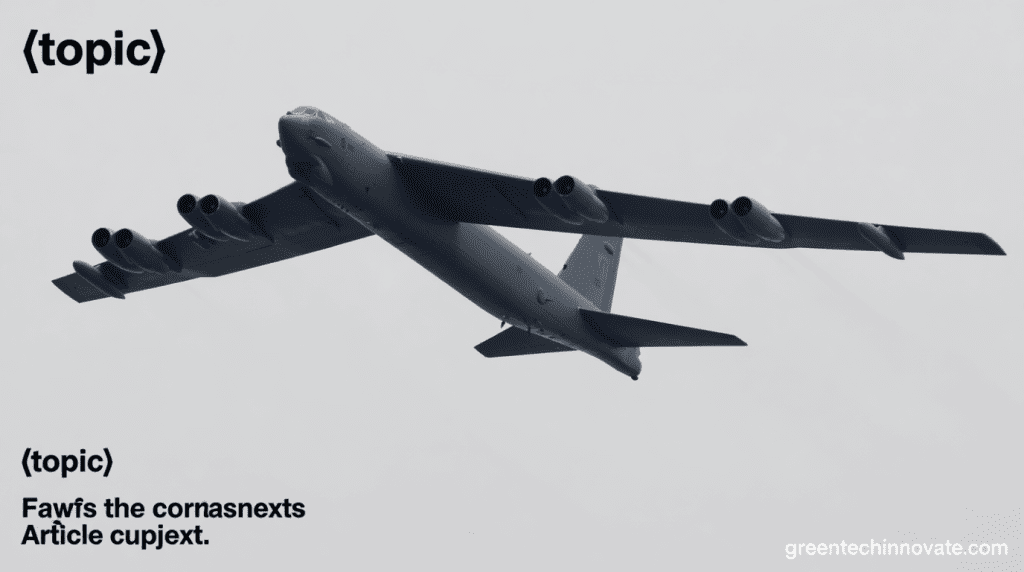
The B-52: Why the US continues to rely on a 1960s-era aircraft for strategic strikes
When the United States seeks to strike its adversaries, the aircraft frequently deployed is the Boeing B-52 Stratofortress, a Cold War relic still active in modern conflicts.
The B-52H variant, still operational today, was first introduced into service with the USAF in 1961. Over 76 of these bombers remain in operation, forming the core of America’s strategic airpower and comprising half of the service’s total bomber fleet.
Rolls-Royce has recently upgraded the aircraft with modern engines, ensuring its operational lifespan extends beyond the 2050s. Meanwhile, Sky News reports that B-52s are currently en route to the UK, following Sir Keir Starmer’s shift in policy to permit U.S. military use of British bases for strikes targeting Iran.
UK authorities are preparing for large-scale evacuations as Iran intensifies attacks on Middle Eastern airports. This comes alongside other developments, such as the sentencing of an ex-techno DJ for selling counterfeit components worth £7 million to airlines and regulatory concerns over EasyJet’s £5.99 cabin bag pricing.
Enduring Design and Strategic Flexibility
What ensures the continued relevance of these aging aircraft? Their robust design allows for a payload capacity of 70,000 lbs (31,751 kg), encompassing a mix of bombs, guided missiles, and nuclear weapons. The H model can deploy up to 20 air-launched cruise missiles, while also carrying conventional ordnance like gravity bombs.
The B-52 is commonly called BUFF—Big Ugly Fat Fella—by aircrew who fly it regularly.
The plane’s impressive range of 8,800 miles, extendable via refueling, and a speed of 650 mph contribute to its longevity. Maintenance and operational costs remain lower than many newer models, making it a cost-effective asset.
Despite its age, the B-52 was originally built for nuclear deterrence and has since been adapted for diverse missions. During the Vietnam War, it conducted extensive bombing campaigns, dropping over 20,000 tonnes of explosives in 11 days under Operation Linebacker II. Its role expanded in 1991 during the Gulf War’s Operation Desert Storm and again in the 2003 Iraq invasion.
President Barack Obama deployed the aircraft in 2014 for strikes against ISIS in Syria and Iraq, with B-52s completing approximately 1,800 combat missions. Now, under President Donald Trump, the bomber is being used alongside the B-1 to target Iran, underscoring its adaptability.
Its strategic value even extends to diplomacy. Recently, B-52s were positioned near Venezuela to signal U.S. intent during heightened tensions with former president Nicolas Maduro. This deployment highlights how the aircraft can serve as both a military tool and a political statement.
