
How to Improve Home Efficiency with Smart Tech
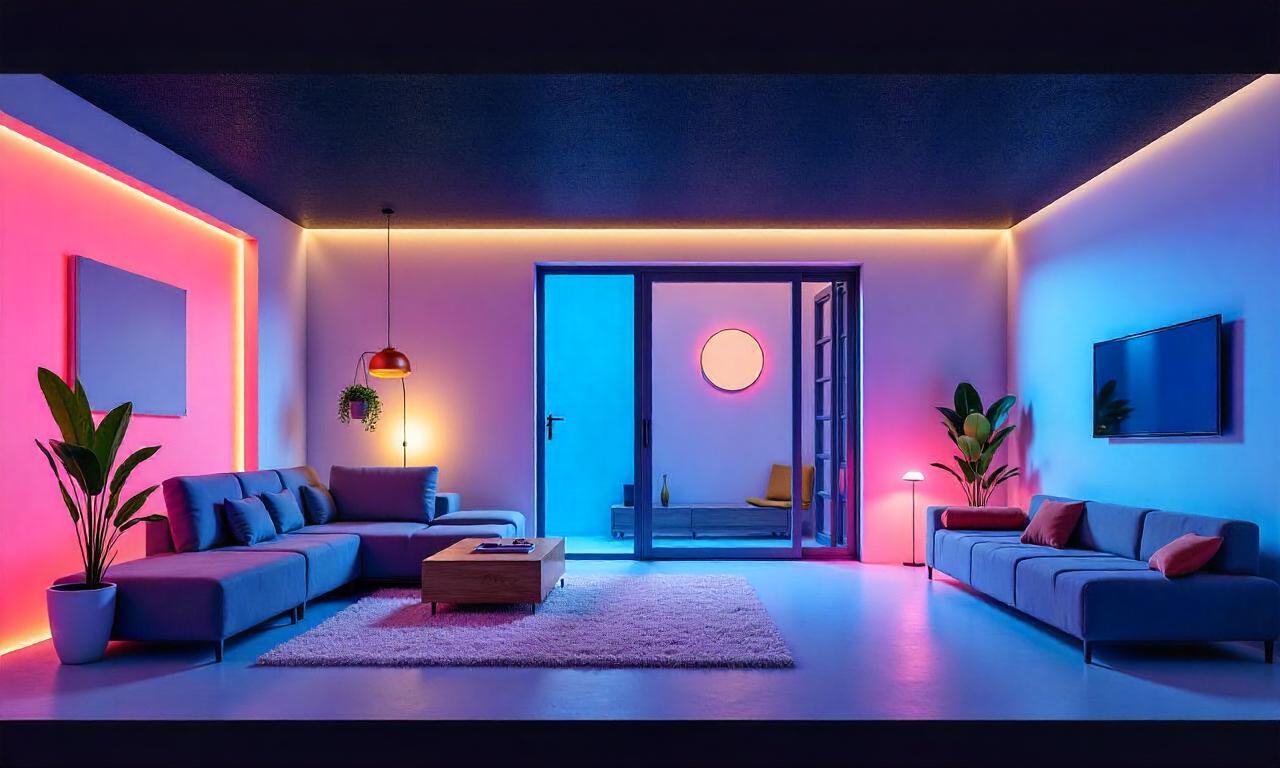
In today’s fast-paced world, How to improve home efficiency with smart tech has become a critical focus for homeowners looking to reduce energy costs, enhance comfort, and minimize their environmental impact. With the rise of technology, modern homes are no longer just places to live—they’re evolving into intelligent, connected spaces that optimize every aspect of daily living. Smart tech solutions, from automated systems to energy-saving devices, offer innovative ways to streamline home operations, cut down utility bills, and create a more sustainable living environment. This article explores How to improve home efficiency with smart tech by delving into the most effective tools, strategies, and benefits that can transform your home into a smarter, more efficient space.
Smart Thermostats: The Heart of Energy Management
One of the most impactful ways to improve home efficiency with smart tech is by investing in a smart thermostat. Traditional thermostats require manual adjustments, which can lead to wasted energy and higher bills. In contrast, smart thermostats leverage advanced technology to learn your habits, adapt to your preferences, and regulate temperature with precision.
What Are Smart Thermostats?
Smart thermostats are intelligent devices that connect to your home’s Wi-Fi network and can be controlled via a smartphone app or voice assistant. Unlike conventional thermostats, they use machine learning algorithms to analyze data on temperature, humidity, and usage patterns. For example, they can detect when you’re away from home and automatically adjust the heating or cooling system to save energy.
Key Benefits of Smart Thermostats
The primary advantage of a smart thermostat is its ability to reduce energy consumption without compromising comfort. According to the U.S. Department of Energy, programmable thermostats can lower heating and cooling costs by up to 10%, but smart thermostats go even further by optimizing settings in real time. Additionally, they provide real-time insights into energy usage, helping homeowners make informed decisions about their consumption.
How to Install and Use a Smart Thermostat
Installing a smart thermostat is relatively simple for most modern homes, especially if you have a compatible HVAC system. Begin by choosing a model that suits your needs, such as one with geofencing capabilities or voice control integration. Once installed, set up the app and customize settings based on your schedule and preferences. Many smart thermostats also offer remote access, allowing you to adjust temperatures even when you’re not at home.
Real-World Impact of Smart Thermostats
Consider a scenario where a smart thermostat detects that no one is home during the day and automatically lowers the temperature to save energy. When you return, it gradually warms the space to your preferred level. This level of automation not only enhances comfort but also ensures that energy is used efficiently. Studies show that homeowners using smart thermostats can save up to 20% on their annual heating and cooling expenses.
Smart Lighting: Illuminating Savings and Convenience
Lighting accounts for a significant portion of household energy use, making it a prime area for How to improve home efficiency with smart tech. Smart lighting systems allow you to control brightness, color, and scheduling remotely, ensuring that energy is used only when needed.
The Evolution of Smart Lighting
Smart lighting is more than just a convenience—it’s a game-changer for energy efficiency. These systems consist of LED bulbs, smart switches, and connected hubs that enable remote control, automation, and integration with other smart devices. For instance, motion sensors can activate lights only when someone enters a room, reducing unnecessary usage.
Benefits of Automated Lighting
The main benefit of smart lighting is energy savings. Traditional lighting systems often leave lights on when no one is around, but smart lighting cuts down on waste by turning off lights automatically. Moreover, smart bulbs can be programmed to adjust brightness based on natural light, further optimizing energy use.
Installation and Customization Tips
Setting up a smart lighting system requires minimal effort if you choose the right components. Start by replacing incandescent or CFL bulbs with smart LED bulbs, then install a smart switch or use a hub to connect multiple devices. Many systems also allow voice command integration, making it easy to adjust lighting without touching a single switch.
Case Study: Smart Lighting in Action
A homeowner in a suburban area installed a smart lighting system with motion sensors and a smartphone app. By automating light schedules and using dimming features, they reduced their electricity bill by 30% within six months. This example highlights how How to improve home efficiency with smart tech can translate into tangible savings and convenience.
Home Automation Systems: Streamlining Daily Life
Home automation systems are central to modern home efficiency, as they allow you to control multiple devices from a single interface. These systems integrate smart thermostats, lighting, security, and appliances, creating a cohesive network that enhances convenience and reduces energy waste.
Understanding Home Automation Systems
A home automation system is a network of interconnected devices that can be managed through a central hub or mobile app. These systems often rely on wireless communication protocols like Zigbee or Z-Wave to ensure smooth operation. For example, a smart hub can coordinate lighting, temperature, and security to create an optimized living environment.
Components of a Smart Home System
The core components of a smart home system include a central controller, sensors, and connected devices. A central controller, such as a smart speaker or a dedicated hub, acts as the brain of the system, enabling seamless communication between devices. Sensors, like motion detectors or temperature sensors, provide real-time data to trigger automated actions.
Enhancing Efficiency Through Integration
Integrating devices into a single system maximizes efficiency. For instance, a smart home system can adjust lighting and temperature based on occupancy, or turn off appliances when they’re not in use. This level of automation eliminates the need for manual intervention, ensuring that your home operates at peak efficiency without effort.
Practical Applications of Home Automation
Imagine a scenario where a smart home system detects that you’ve left for work and automatically locks the doors, turns off the lights, and adjusts the thermostat. This not only saves energy but also enhances security and convenience. Such systems are ideal for busy households or those looking to reduce their carbon footprint.
Energy Monitoring Tools: Tracking and Reducing Consumption
Another essential aspect of How to improve home efficiency with smart tech is the use of energy monitoring tools. These devices provide real-time data on your energy usage, helping you identify inefficiencies and make targeted improvements.
What Are Energy Monitoring Tools?
Energy monitoring tools are sensors or apps that track electricity consumption across different appliances and systems. They often include smart meters, plug-in monitors, or in-home dashboards that display energy usage patterns. For example, a smart meter can detect spikes in energy consumption and alert you to potential issues.
Benefits of Real-Time Energy Tracking
The primary benefit of energy monitoring is increased awareness of your consumption habits. By tracking energy use, you can pinpoint high-consumption devices and adjust their usage accordingly. This data-driven approach ensures that you’re not just guessing about energy savings—you’re making informed decisions.
How to Choose the Right Energy Monitor
When selecting an energy monitor, consider compatibility with your existing systems, ease of installation, and data visualization features. Some monitors offer mobile app integration, allowing you to view consumption patterns on the go. Others provide detailed reports that highlight energy-saving opportunities.
Case Study: Energy Monitoring in Action
A family in a mid-sized home installed an energy monitoring system to track their power usage. By analyzing the data, they discovered that their old refrigerator was consuming 25% more energy than a new model. After replacing it, they reduced their overall consumption by 15% in just three months. This case study demonstrates the power of data in improving home efficiency.
Conclusion
How to improve home efficiency with smart tech is no longer a distant goal—it’s a realistic and achievable objective for homeowners. From smart thermostats that optimize temperature control to energy monitoring tools that provide actionable insights, technology offers a wide range of solutions to enhance efficiency. Additionally, smart lighting systems and home automation bring convenience and savings to everyday tasks, making your home more sustainable and comfortable. By investing in these technologies, you can reduce energy waste, lower utility bills, and create a smarter living environment. Whether you’re looking to cut down on costs or minimize your environmental impact, the integration of smart tech into your home is a step toward a more efficient future.
