
Hillary Clinton accuses Trump administration of a ‘cover-up’ over its handling of Epstein documents
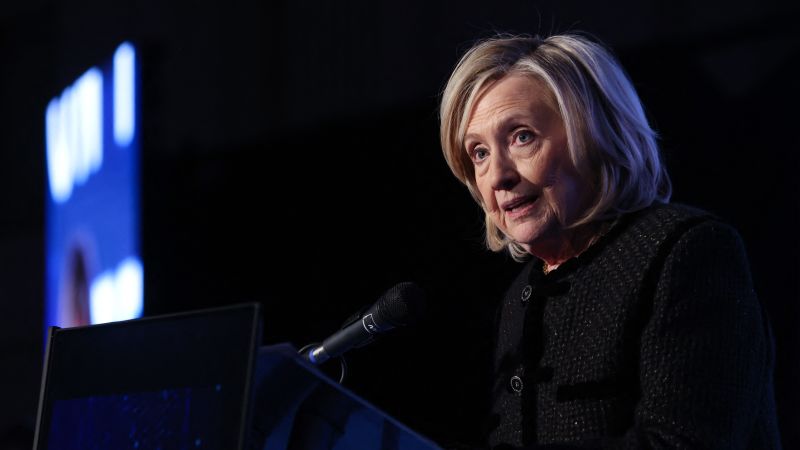
Hillary Clinton Accuses Trump Administration of ‘Cover-Up’ Over Epstein Documents
At the Munich Security Conference in Berlin, former U.S. Secretary of State Hillary Clinton criticized the Trump administration for its “continuing cover-up” in managing the release of millions of documents tied to Jeffrey Epstein. She pointed to delays in disclosure, redactions of names linked to powerful men, and resistance to congressional inquiries as evidence of the effort. “They are slow-walking it, they are redacting the names of men who are in it, they are stonewalling legitimate requests from members of Congress,” Clinton said during an interview with the BBC.
DOJ Defends Transparency Amid Scrutiny
Deputy Attorney General Todd Blanche countered Clinton’s claims, insisting the Department of Justice is “committed to transparency” and “hiding nothing.” The latest batch of documents released by the DOJ included references to Bill Clinton, shedding new light on interactions between the former president’s team and Epstein, as well as his associate Ghislaine Maxwell. Clinton asserted she and her husband “have nothing to hide,” dismissing concerns about their involvement.
Historical Context and Congressional Pressure
Earlier document releases had exposed Bill Clinton in photos with Epstein and in a hot tub with someone labeled a “victim” of his sexual abuse. The Clintons are scheduled to testify in closed-door depositions as part of the House’s investigation into Epstein’s activities. Their agreement to the Oversight Committee’s conditions came after the chamber prepared to hold them in contempt for ignoring a subpoena. In her BBC interview, Clinton emphasized that the couple is “more than happy to say what we know,” which she called “very limited and totally unrelated to their behavior or their crimes.”
Scrutiny Directed Toward Trump
Clinton argued that the administration’s focus on her and Bill Clinton is a strategy to “divert attention from President (Donald) Trump,” who is mentioned over 1,000 times in the files. Trump initially resisted publicizing the documents but later urged Republicans to support their release. “I’ve been totally exonerated,” he stated on Air Force One, adding, “They’re getting pulled in, that’s their problem. We’ll have to see what happens.”
Controversy Over Document Redactions
Clinton cited Attorney General Pam Bondi’s testimony before the House Judiciary Committee as an example of the administration’s alleged secrecy. “Bondi refused to answer questions, she diverted attention away from the matters at hand, she refused to look at survivors,” Clinton said. This aligns with remarks from Bill Clinton’s spokesperson in December, which warned that withholding documents would “confirm widespread suspicion” that the DOJ prioritizes insinuation over openness. The department faced backlash for inconsistent redactions, prompting some lawmakers to unredact additional names after reviewing unfiltered versions.
House Sends List of Politically Exposed Persons
Following pressure, Congress received a list of “politically exposed persons” from the DOJ on Saturday. The letter highlighted hundreds of prominent individuals named in the Epstein files, fueling debates about the scope of the investigation. Clinton reiterated her demand for fairness, stating, “I just want it to be fair, I just want everyone to be treated the same way. That’s not true for my husband and me.” She also called for public hearings, insisting, “I think everybody should testify who is asked to testify.”
This story has been updated with additional information.
