
Israel bans Friday prayers at Al-Aqsa Mosque despite Purim celebrations proceeding
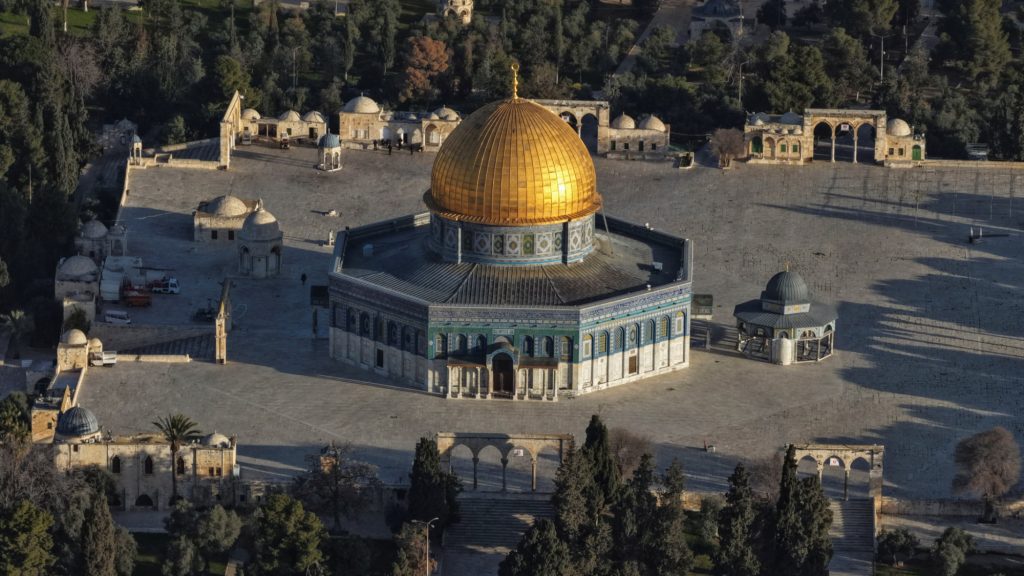
Israel Imposes Ban on Friday Prayers at Al-Aqsa Mosque Amid Ramadan
Israel has imposed a ban on Friday prayers at Al-Aqsa Mosque, citing the “security situation” in light of its ongoing conflict with Iran. Meanwhile, Jewish celebrations of Purim have proceeded without hindrance in other parts of the city.
Consequences of the Closure
Aouni Bazbaz, head of international affairs for the Islamic Waqf, warned that prolonged closure of the mosque could lead to significant repercussions. “The extended shutdown of Al-Aqsa during Ramadan, when it is usually filled with thousands of worshippers, risks creating a new normal that could shape the future of the site,” he said in an interview with Middle East Eye.
“The occupation authorities are setting a precedent that may allow future closures without resistance,” Bazbaz added.
Diverted Access and Public Outcry
Only a few mosque staff have been permitted into the complex, while the Old City remains largely off-limits to non-residents. Israeli forces have stationed themselves at key entry points, limiting movement for Palestinians. This has left the sacred space largely empty, despite its usual bustling atmosphere during Ramadan.
Fakhri Abu Diab, a Jerusalem-based activist, dismissed the security argument as misleading. “There are no bomb shelters for Palestinians in the city, yet the government claims it’s for safety,” he told Middle East Eye. “The shops are open, daily life continues, but Al-Aqsa is locked down.”
“People are still in the streets and markets, yet we are barred from the mosque,” Abu Diab emphasized.
Historical Context and Legal Concerns
Al-Aqsa Mosque has traditionally been managed by the Islamic Waqf, an entity responsible for maintaining its status as an exclusively Islamic site. However, since Israel took control of East Jerusalem in 1967, Palestinian access has faced increasing limitations, while Jewish influence has grown.
Israel’s control over the Old City is seen by many as a violation of international law, which states that an occupying power cannot unilaterally alter the religious status of a site. The recent closures have sparked fears of long-term changes, with Bazbaz noting that the measures may become permanent if the status quo continues to shift.
Despite the lack of an official statement from the Islamic Waqf, the closures have already raised alarms about the erosion of Palestinian authority over the holy site. Analysts argue that the move aims to reshape access patterns and diminish the mosque’s role in the region’s spiritual landscape.
