
How Pakistan positioned itself at the centre of global crisis management
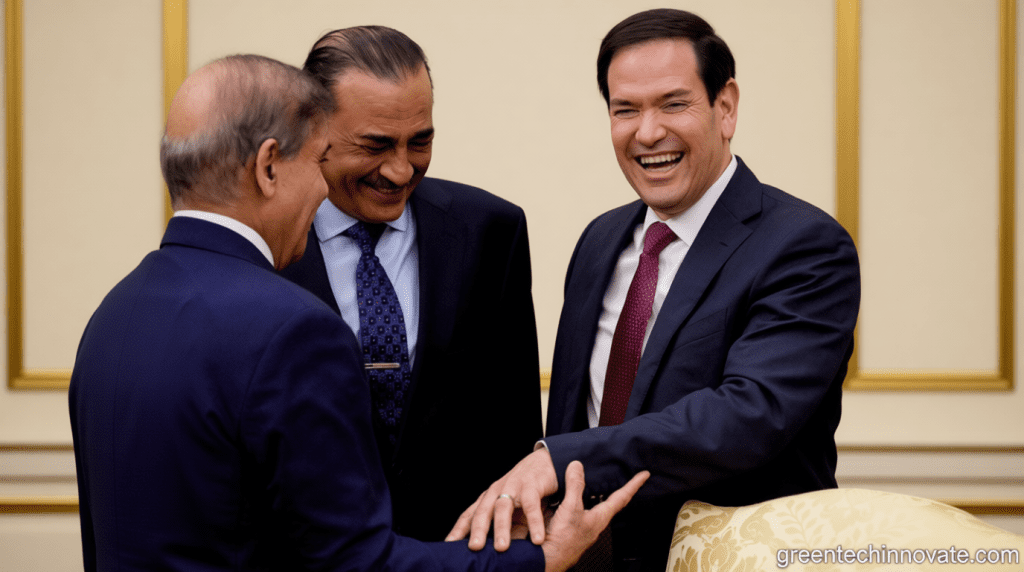
How Pakistan positioned itself at the centre of global crisis management
A New Diplomatic Role
In the dynamic landscape of Middle Eastern diplomacy, where the line between conflict and calm is often blurred by air strikes and shifting energy dynamics, Pakistan has emerged as an unexpected player. Once seen through the prism of economic instability and security challenges, the nation now seeks to act as a bridge between the United States and Iran.
Strategic Mediation Proposal
A surprising initiative, announced with swift decisiveness, proposed Islamabad as a neutral meeting ground for direct talks between the Trump administration and Iran’s leadership. This move caught regional analysts by surprise, highlighting a shift in Pakistan’s geopolitical posture.
Such a dialogue, if realized, could signal a temporary pause in a conflict that has disrupted global oil markets and heightened fears of broader regional warfare. It would also redefine Pakistan’s strategic image, transitioning it from a state often perceived as a security risk to a central figure in international diplomacy.
“This position has not emerged overnight; it is the result of a sequence of decisions over the past year that have collectively restored Pakistan’s diplomatic reach,” said an Islamabad-based security official, speaking anonymously to Middle East Eye.
Economic and Security Imperatives
Pakistan’s push for mediation is driven by pressing domestic concerns. The country is undergoing a delicate economic revival under strict International Monetary Fund guidelines, while tensions with Iran have spiked oil prices and deepened energy shortages across Asia, particularly impacting Pakistan’s struggling economy.
Officials warn that a prolonged Gulf energy crisis could lead to liquefied natural gas shortages, threatening Pakistan’s fragile balance of payments. The nation’s western border, a 900-kilometre frontier with Taliban-controlled Afghanistan, remains a critical zone for militant activity and smuggling. A regional war could further destabilize already volatile border areas, where state control is tenuous.
Domestic Sensitivity to Regional Shifts
Pakistan’s internal dynamics also play a role. With a Shia population of 15 to 20 percent—second only to Iran—domestic reactions to Middle Eastern events are swift. The assassination of Iranian Supreme Leader Ayatollah Ali Khamenei at the conflict’s onset sparked violent demonstrations in multiple Pakistani cities, illustrating the nation’s deep ties to regional developments.
Strategic Alliances and Risks
Pakistan’s relationship with Gulf states, especially Saudi Arabia, adds complexity. A security agreement signed in September 2023, rooted in collective defense, has raised questions about Islamabad’s willingness to intervene if tensions escalate. Analysts suggest the country’s flexibility will be constrained in such scenarios.
Zahid Shahab Ahmed, a security studies professor at the UAE’s National Defence College, noted to Middle East Eye that Pakistan is in “stand-by mode,” ready to provide support should Riyadh invoke bilateral commitments. “Pakistan, located at the war’s edge, clearly prefers to resolve conflicts rather than become entangled in them,” wrote Michael Kugelman, a Washington-based strategist, on X.
