
G7 to take ‘necessary measures’ to support energy supplies
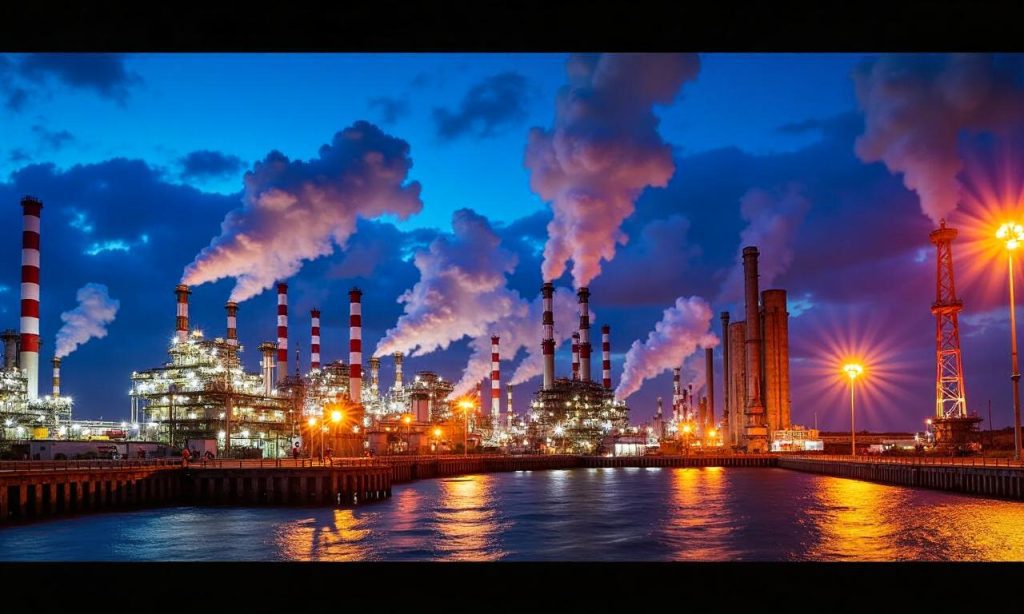
G7 to take ‘necessary measures’ to support energy supplies
Following the escalation of hostilities between the US and Israel against Iran, G7 countries have affirmed their preparedness to implement ‘essential steps’ to stabilize global energy markets. Despite this commitment, the recent gathering of finance ministers and the International Energy Agency (IEA) concluded without a decision to tap into strategic oil reserves. Prices initially spiked to nearly $120 per barrel due to fears of prolonged supply interruptions but retreated after President Trump signaled optimism about a swift resolution.
Market Downturn and Strategic Stockpiles
During the virtual session, discussions centered on measures to counteract the oil market’s recent instability. Fatih Birol, IEA director, highlighted that disruptions in the Strait of Hormuz and reduced production have intensified market risks. He noted,
“Global oil markets have deteriorated in recent days. Transit challenges and curtailed output are creating significant and growing risks.”
IEA members collectively hold over 1.2 billion barrels of public emergency stock, with an additional 600 million barrels under government control.
French Finance Minister Roland Lescure stated,
“We are not there yet,”
regarding the potential release of reserves. This would mark the first such action since Russia’s invasion of Ukraine in 2022. The G7 reiterated its stance in a statement:
“We stand ready to take necessary measures, including supporting global energy supply through stockpile release.”
Escalation in the Region
The conflict intensified over the weekend, with the US and Israel launching airstrikes targeting Iranian oil facilities. In response, Iran retaliated by striking energy infrastructure in neighboring Gulf states. Saudi Arabia reported intercepting and neutralizing two drone attacks aimed at a key oilfield, underscoring the region’s vulnerability.
Market confidence wavered as the crisis unfolded. Prior to the weekend’s developments, traders had remained cautiously optimistic about the situation. However, the visible damage to energy infrastructure and ongoing attacks spurred rapid price swings. Brent crude prices surged over 25% in Asia on Monday, peaking at $119.50 per barrel before declining to below $90 following Trump’s assurance that the war was ‘very complete, pretty much.’
Broader Economic Impacts
Chancellor Rachel Reeves emphasized the UK’s call for immediate de-escalation in the Middle East, vowing to ensure maritime safety. She also supported a coordinated release of IEA reserves. Meanwhile, gas prices in the UK rose nearly 25% to 171p per therm, though they remain below the 640p high seen in 2022. The US stock markets opened lower but recovered, with the S&P 500 ending up 0.8% and the Dow Jones increasing by 0.5%.
Analysts warn that prolonged conflict could push oil prices higher, potentially reaching $120–$150 per barrel. Paul Gooden, head of natural resources at NinetyOne Asset Management, stated,
“The question everyone is asking is: what is the duration of this conflict? The longer it continues, the more anxious the oil markets will become.”
He suggested that prices might temporarily reach this range but cautioned that they would eventually stabilize with a resolution.
