
She spent 20 months battling to die under a euthanasia law. On Thursday, Spain let her
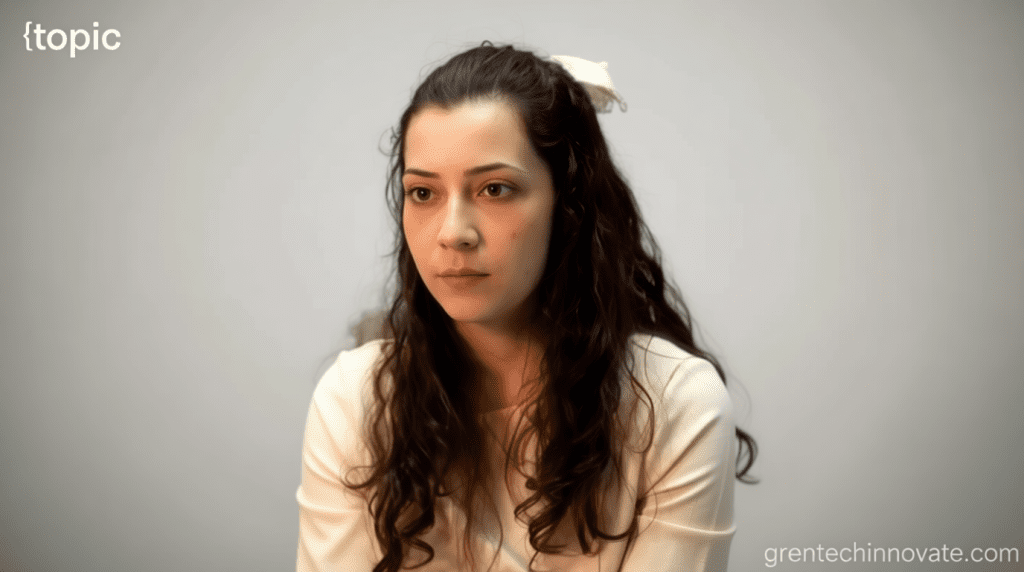
Spain Grants Euthanasia Request After 20-Month Legal Battle
At 25 years old, Noelia Castillo’s life ended under Spain’s euthanasia law after a prolonged struggle. Her journey, spanning over two years, was driven by a relentless combination of physical agony and emotional despair. Castillo’s case ignited fierce discussions across the nation, drawing both supporters and critics as she shared her story with the Spanish news channel Antena 3.
The Roots of Her Suffering
Castillo’s decision to seek euthanasia stemmed from a turbulent upbringing. The disintegration of her parents’ marriage at age 13 left her in a fragile state, prompting her to reside in a supervised facility. There, she was diagnosed with Obsessive-Compulsive Disorder and Borderline Personality Disorder. The trauma extended beyond her home, as she recounted three instances of sexual abuse: one by an ex-partner, another in a nightclub involving two men, and a third in a bar with three young individuals. Despite the pain, she chose not to report any of the incidents.
A Turning Point in October 2022
Following the second abuse episode, Castillo attempted suicide in October 2022. Though she survived, the incident left her paralyzed from the waist down, necessitating wheelchair use. “Sleeping is very difficult for me, and besides that, I have back and leg pain,” she explained in the interview. However, the suffering transcended the physical. “My world was very dark … I had no goals, no objectives, nothing,” she said, capturing the emotional toll that led her to seek an end to her life.
The Legal Journey
Assisted suicide has been legal in Spain since June 2021, but Castillo’s application faced significant resistance. Her family, particularly her father, opposed the process, citing concerns about her decision-making capacity. Advised by the Christian Lawyers group, he initiated a multi-level legal challenge that stalled the procedure for 20 months. The dispute passed through five judicial tiers: a Barcelona court, Catalonia’s High Court of Justice, the Supreme Court, the Constitutional Court, and the European Court of Human Rights.
Despite these hurdles, all courts upheld the validity of her choice. They acknowledged her “nonrecoverable clinical situation” and the severe physical and emotional burdens it imposed. “I understand he’s a father, that he doesn’t want to lose a daughter,” Castillo reflected, adding that her estrangement from her father deepened her resolve. “He ignores me. So why does he want me alive? To keep me in a hospital?” she questioned, highlighting the conflict between familial bonds and her personal autonomy.
A Final Farewell
The euthanasia was conducted at Sant Pere de Ribes hospital, where Castillo had been residing. In her last moments, she requested solitude, insisting on being left alone to close her eyes without witnesses. “I don’t want anyone inside” her room, she said, as her final words encapsulated the culmination of her battle against pain and the world that had failed to support her.
