
Top Best Practices for Energy Conservation Every Household Should Follow
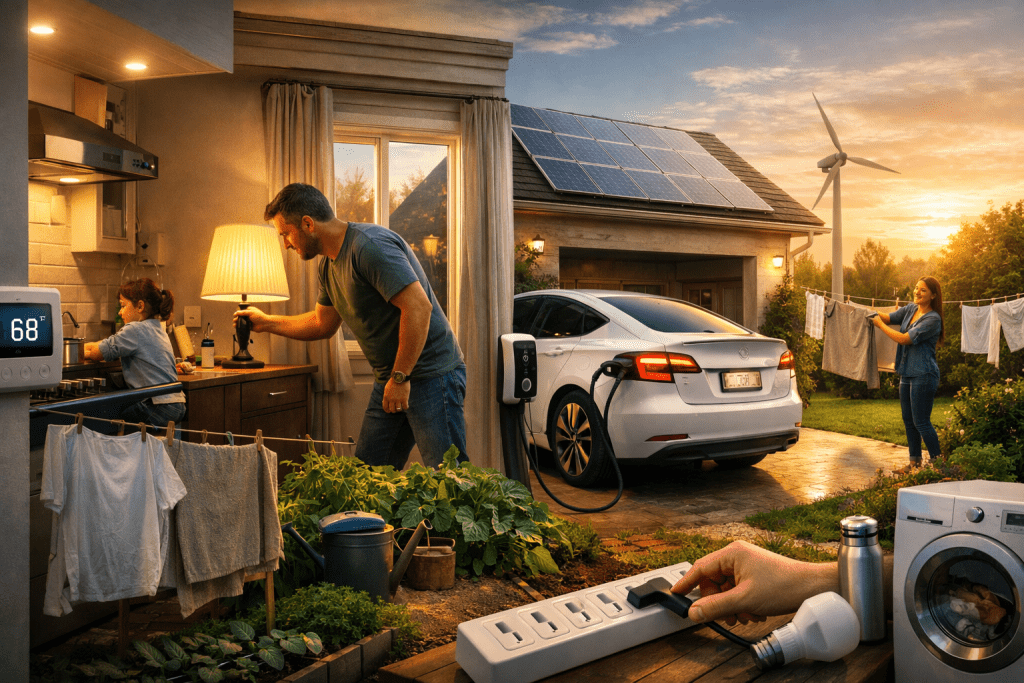
Energy conservation is a critical component of sustainable living and has numerous benefits for households. It not only helps reduce utility bills but also reduces the household’s environmental impact. Implementing best practices for energy conservation can significantly lower energy consumption while promoting a more eco-friendly lifestyle. This article outlines the most effective strategies every household should follow to make a difference in energy use.
1. Upgrade to Energy-Efficient Appliances
One of the first steps in conserving energy at home is upgrading to energy-efficient appliances. Modern appliances, such as refrigerators, washing machines, and air conditioners, use less energy than older models. Look for appliances labeled with the Energy Star symbol, which ensures they meet the government’s energy efficiency standards.
Incorporating energy-efficient lighting, such as LED bulbs, also contributes significantly to energy savings. These bulbs consume up to 75% less energy than traditional incandescent bulbs and last longer, making them a cost-effective choice in the long run.
2. Use Programmable Thermostats
A programmable thermostat is an excellent tool for energy conservation. By setting your thermostat to adjust the temperature automatically based on your schedule, you can ensure your home is not wasting energy when you’re not around. For instance, lowering the temperature in winter while you’re at work or sleeping, and raising it during the day, can save substantial amounts of energy.
Additionally, investing in a smart thermostat allows you to control the temperature remotely, optimizing energy use when you’re away or asleep. By maintaining an ideal temperature range efficiently, you can achieve both comfort and conservation.
3. Insulate and Seal Your Home Properly
Poor insulation and leaks in your home can lead to significant energy waste. Insulating your home ensures that your heating and cooling systems don’t have to work overtime, which can lead to higher energy bills. Attic and wall insulation are crucial areas to address, but don’t overlook smaller areas such as windows, doors, and even outlets.
Seal gaps around windows and doors with weather stripping or caulking to prevent heat loss in the winter and keep cool air inside during summer. Proper insulation and sealing reduce the energy needed to maintain comfortable temperatures inside, leading to better energy efficiency.
4. Practice Efficient Water Use
Water heating accounts for a large portion of household energy consumption. Reducing hot water usage can make a significant impact on your overall energy use. Start by installing water-saving devices such as low-flow showerheads and faucet aerators. These devices help reduce water flow without compromising pressure.
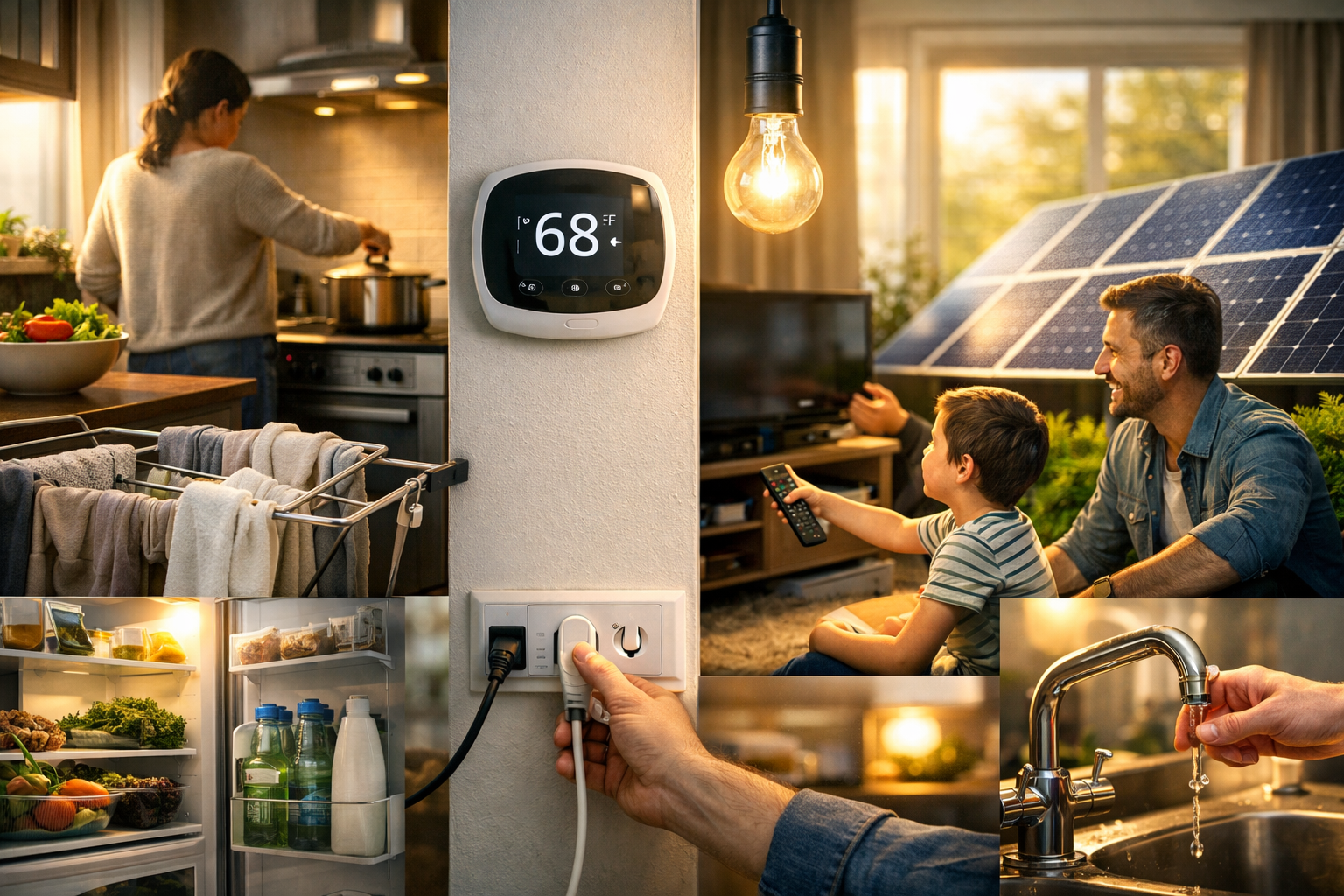
Consider switching to an energy-efficient water heater, or better yet, a tankless water heater that only heats water when necessary. Additionally, setting your water heater to a lower temperature can prevent unnecessary energy usage without affecting comfort.
5. Use Natural Light and Ventilation
Maximizing the use of natural light is one of the easiest and most cost-effective best practices for energy conservation. Open curtains and blinds during the day to let sunlight into your home. Not only does this reduce the need for artificial lighting, but it also provides warmth during the colder months.
In addition to natural light, proper ventilation can help regulate indoor temperatures and reduce reliance on air conditioning. Opening windows when temperatures are mild can improve air circulation, keeping your home fresh without relying on powered cooling systems.
6. Adopt Energy-Saving Habits
Changing a few everyday habits can drastically reduce your energy consumption. Simple actions like turning off lights when you leave a room, unplugging electronics when they are not in use, and running dishwashers or laundry machines with full loads are easy but effective steps. Also, consider air-drying clothes instead of using a dryer whenever possible.
Using smart power strips for electronics can prevent phantom energy drain from devices left plugged in when turned off. Additionally, washing clothes in cold water and air-drying laundry can significantly lower energy costs.
Conclusion
Implementing best practices for energy conservation in your household can lead to substantial long-term savings on energy bills and contribute positively to the environment. From upgrading to energy-efficient appliances to practicing smart water use and adopting energy-saving habits, every step taken toward energy conservation matters. By making small but impactful changes, households can reduce their carbon footprint and create a more sustainable future.
FAQ
Q: How can I start conserving energy at home? A: Start by upgrading to energy-efficient appliances, using a programmable thermostat, and sealing gaps around windows and doors. Q: Does switching to LED bulbs really make a difference? A: Yes, LED bulbs use up to 75% less energy than incandescent bulbs and last much longer, which leads to significant savings. Q: How can I reduce my water heating energy consumption? A: Install low-flow showerheads, switch to an energy-efficient water heater, and lower the temperature setting on your current water heater. Q: Are smart thermostats worth the investment? A: Yes, smart thermostats allow you to control your home’s temperature remotely, optimizing energy use when you’re not home and reducing wasted energy. Q: What are phantom energy drains, and how can I avoid them? A: Phantom energy drains refer to the energy consumed by electronics when turned off but still plugged in. Using smart power strips can help avoid this unnecessary energy loss.
