
Top 10 Energy Conservation Techniques to Save Money & Reduce Your Carbon
Energy conservation techniques are essential for both reducing environmental impact and cutting down on utility bills. As global energy demand rises, the need for efficient practices becomes more urgent. Implementing energy conservation techniques in homes, businesses, and daily routines not only helps save money but also contributes to a healthier planet. Whether you’re looking to lower your carbon footprint or simply reduce your monthly expenses, there are practical and effective ways to conserve energy. This article explores the top 10 energy conservation techniques that can make a real difference, from simple lifestyle changes to smart technology solutions. By understanding and applying these methods, individuals and organizations can create a sustainable future while enjoying financial benefits.
1. Use Energy-Efficient Lighting
Switching to LED lighting is one of the most straightforward energy conservation techniques. Unlike traditional incandescent bulbs, LEDs consume up to 80% less energy and last significantly longer. Incorporating motion sensors or timers for lights in less-used areas can further optimize energy use. Additionally, replacing outdated lighting systems with modern, efficient alternatives reduces electricity consumption and lowers utility bills. These small changes add up, making lighting a critical part of energy conservation techniques for both residential and commercial spaces.
2. Optimize Heating and Cooling Systems
Heating and cooling account for a large portion of energy use in homes and offices. Improving insulation, sealing windows, and using programmable thermostats are energy conservation techniques that can drastically cut energy waste. Regular maintenance of HVAC systems ensures they operate at peak efficiency, while setting thermostats to moderate temperatures reduces strain on these systems. Using fans or natural ventilation during mild weather also helps lower energy demands. These strategies not only save money but also reduce greenhouse gas emissions linked to energy production.
3. Reduce Water Heating Costs
Water heating is another major energy consumer. Installing a low-flow showerhead or energy-efficient water heater can significantly cut energy use. Insulating hot water pipes prevents heat loss, and setting the water heater to 120°F (49°C) reduces unnecessary energy consumption. Additionally, taking shorter showers and using tankless water heaters can further enhance savings. By adopting these energy conservation techniques, households can lower their energy bills while minimizing their environmental impact.
4. Unplug Unused Electronics
Many devices continue to draw power even when they’re not in use, a phenomenon known as phantom energy consumption. Unplugging electronics like TVs, computers, and chargers when they’re not needed is a simple yet effective energy conservation technique. Using smart power strips or surge protectors with timers can automate this process, ensuring devices are powered off during idle periods. This habit not only saves energy but also extends the lifespan of electronic devices by reducing wear from constant power draw.
5. Invest in Smart Home Technology
Smart home devices, such as smart thermostats, energy monitors, and automated lighting systems, offer advanced energy conservation techniques. These tools allow users to track and manage energy use in real-time, identifying areas of waste and adjusting consumption accordingly. For example, smart thermostats can learn your schedule and adjust temperatures automatically, while energy monitors provide insights into daily usage patterns. Integrating smart technology into your home makes it easier to adopt sustainable habits and save money over time.
6. Improve Building Insulation and Sealing
Proper insulation is a fundamental energy conservation technique that keeps indoor temperatures stable and reduces the need for heating or cooling. Sealing gaps around windows, doors, and ducts prevents energy leaks, ensuring that conditioned air stays within the building. Using high-performance insulation materials and adding weatherstripping to doors and windows are cost-effective ways to improve energy efficiency. This technique is especially impactful in older homes, where energy loss is often more pronounced.
7. Adopt Renewable Energy Sources
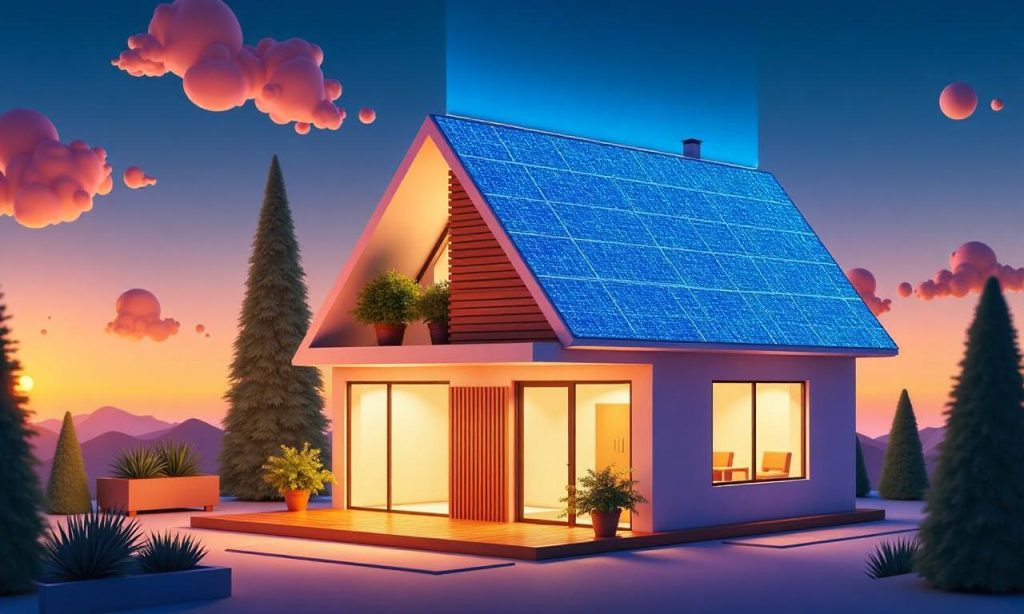
Transitioning to renewable energy sources like solar panels or wind turbines is a powerful energy conservation technique for long-term sustainability. These systems generate clean energy, reducing reliance on fossil fuels and lowering carbon emissions. Even small-scale solar installations can provide significant savings on electricity bills, while community solar programs make renewable energy accessible to more people. By investing in renewable energy, individuals and businesses can contribute to a greener future while enjoying financial benefits.
8. Use Energy-Efficient Windows and Doors
Upgrading to energy-efficient windows and doors enhances insulation and reduces energy loss. Double-glazed or triple-glazed windows, along with low-emissivity (Low-E) coatings, help maintain indoor temperatures with minimal energy input. Replacing old doors with models featuring weatherstripping and insulated frames also improves efficiency. These upgrades may require an initial investment, but they pay off over time by reducing heating and cooling costs.

9. Promote Energy-Saving Habits in the Workplace
Businesses can implement energy conservation techniques to cut operational costs and reduce environmental impact. Encouraging employees to turn off lights and computers when not in use, using energy-efficient office equipment, and optimizing HVAC settings are effective strategies. Installing motion sensors in restrooms and meeting rooms, along with promoting a culture of sustainability, can lead to significant energy savings. These practices not only benefit the company’s bottom line but also support broader environmental goals.
10. Encourage Sustainable Transportation Practices
Reducing energy use extends beyond buildings to transportation. Choosing public transit, carpooling, or biking instead of driving alone is a key energy conservation technique. For those who drive, maintaining proper tire pressure, avoiding excessive idling, and using fuel-efficient vehicles can lower energy consumption. Electric vehicles (EVs) and hybrid cars also represent a shift toward sustainable energy use. These methods help cut down on fossil fuel dependence and reduce overall carbon emissions.
By integrating these energy conservation techniques into daily life, individuals can make a meaningful impact. The cumulative effect of small, consistent actions leads to substantial energy savings and environmental benefits. Whether you’re a homeowner, a business owner, or a community member, adopting these methods is a step toward a more sustainable and cost-effective future. The key is to prioritize efficiency without sacrificing comfort or convenience.
FAQ Q: What are the best energy conservation techniques for homes? A: The most effective energy conservation techniques for homes include using LED lighting, improving insulation, and upgrading to energy-efficient appliances. These steps reduce energy waste and lower utility bills.
Q: How can businesses benefit from energy conservation techniques? A: Businesses can save money by implementing smart technology, optimizing HVAC systems, and promoting energy-saving habits among employees. These techniques improve efficiency and reduce operational costs.
Q: Are energy conservation techniques expensive to implement? A: Many energy conservation techniques are cost-effective, such as unplugging unused devices or using programmable thermostats. Long-term savings often outweigh initial investments.
Q: What role does renewable energy play in energy conservation techniques? A: Renewable energy sources like solar panels are a critical part of energy conservation techniques, offering sustainable alternatives to fossil fuels and reducing carbon emissions.
Q: Can simple habits make a difference in energy conservation? A: Yes, small habits like turning off lights when not in use or using natural ventilation are energy conservation techniques that contribute to significant overall savings.
