
Renewable vs Non-Renewable Energy: A Sustainable Future Debate?
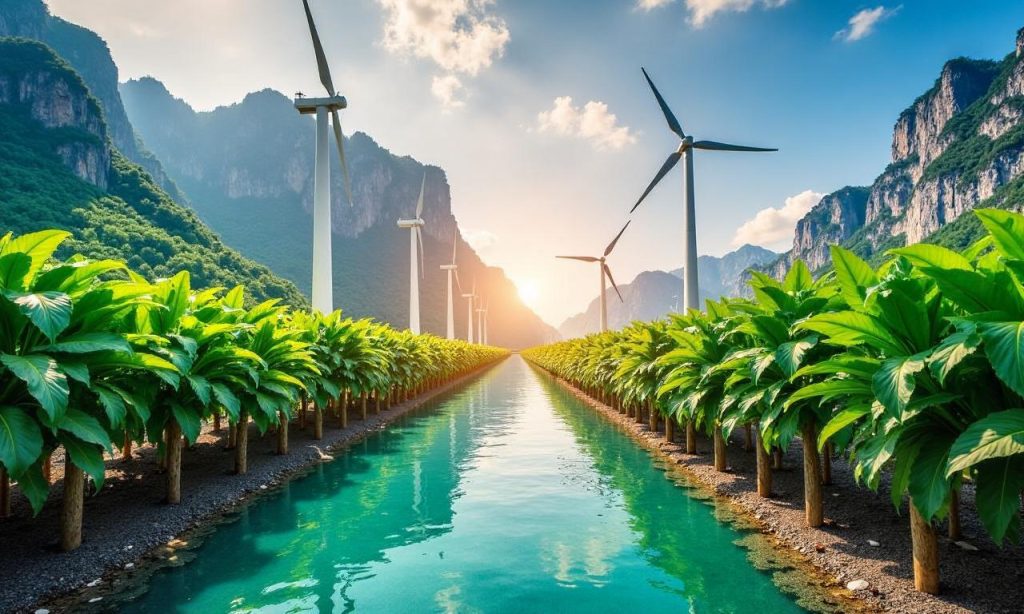
Understanding Renewable and Non-Renewable Energy
The debate between renewable vs non-renewable energy is central to global efforts in achieving a sustainable future. As the world grapples with climate change and resource depletion, understanding the differences between these two energy types is crucial. Renewable energy sources, such as solar, wind, hydropower, and geothermal, are naturally replenished and have minimal environmental impact. In contrast, non-renewable energy sources like coal, oil, and natural gas are finite and contribute significantly to greenhouse gas emissions. This distinction shapes energy policies, economic strategies, and environmental outcomes, making the renewable vs non-renewable energy comparison a key topic in sustainability discussions.
The Environmental Impact of Energy Sources
One of the most critical aspects of the renewable vs non-renewable energy debate is their environmental footprint. Non-renewable energy sources are often associated with pollution and habitat destruction. Fossil fuels, for instance, release carbon dioxide and other harmful gases when burned, exacerbating global warming and air quality issues. Mining and drilling activities also lead to deforestation, water contamination, and biodiversity loss. On the other hand, renewable energy is generally cleaner and more sustainable. Solar panels and wind turbines generate electricity without emitting pollutants, while hydropower and geothermal energy produce minimal waste. However, even renewable energy isn’t entirely without challenges. For example, large-scale solar farms require significant land use, and hydropower dams can disrupt aquatic ecosystems. Despite these drawbacks, the long-term benefits of renewable vs non-renewable energy transitions are clear: reducing reliance on finite resources and cutting emissions.
Economic Considerations: Cost and Investment
The economic implications of the renewable vs non-renewable energy divide are equally important. Non-renewable energy has traditionally been cheaper to extract and use, especially in regions with abundant fossil fuel reserves. This affordability has made it the dominant energy source for decades, fueling industrial growth and infrastructure development. However, the long-term costs of non-renewable energy are rising due to resource scarcity, environmental damage, and the need for costly cleanup efforts. In contrast, renewable energy requires substantial upfront investment but offers lower operational costs and long-term savings. Technological advancements have also made renewables more efficient and cost-competitive. For example, solar panel prices have dropped significantly over the years, making them a viable alternative to coal and gas. While the initial costs of transitioning to renewable vs non-renewable energy can be high, the economic benefits of energy independence and reduced environmental expenses are growing.
The Role of Technology in Shaping the Energy Landscape
Technology plays a pivotal role in the renewable vs non-renewable energy debate, driving innovation and efficiency in both sectors. In the renewable space, breakthroughs in energy storage, smart grids, and grid integration have addressed long-standing challenges like intermittency and scalability. For instance, advancements in battery technology now allow solar and wind power to be stored and used when needed, reducing dependency on fossil fuels for backup energy. Meanwhile, non-renewable energy technologies are evolving too, with carbon capture and storage (CCS) and cleaner burning techniques aiming to mitigate their environmental impact. However, these solutions are often expensive and less effective compared to the inherent sustainability of renewable sources. As technology continues to improve, the gap between the two energy types is narrowing. Yet, the renewable vs non-renewable energy shift is not just about cost or efficiency—it’s about creating a resilient energy system that can meet future demands.
Policy and Incentives: Accelerating the Transition
Government policies and incentives are crucial in influencing the renewable vs non-renewable energy balance. Many countries have implemented subsidies, tax breaks, and renewable energy mandates to encourage the adoption of cleaner alternatives. These measures have helped reduce the cost of solar and wind energy, making them more accessible to businesses and households. Conversely, non-renewable energy often faces regulatory hurdles and carbon pricing to discourage overuse. While these policies have made progress in promoting renewables, challenges remain. For example, fossil fuel industries still benefit from legacy infrastructure and political support. The effectiveness of renewable vs non-renewable energy policies depends on long-term commitment and public awareness. As the global community prioritizes sustainability, the push for renewable energy is gaining momentum, signaling a potential shift in the energy landscape.
The Future of Energy: Balancing Needs and Sustainability
Looking ahead, the renewable vs non-renewable energy conversation will likely evolve as the world seeks to balance energy needs with environmental goals. While non-renewable energy remains essential for certain applications—such as heavy industry and transportation—its role is expected to shrink as renewables become more reliable and widespread. The integration of smart technologies and decentralized energy systems will further enhance the viability of renewable vs non-renewable energy solutions. For instance, microgrids and electric vehicles are reducing the dependency on traditional fossil fuels. However, the transition isn’t without challenges. Energy storage, grid infrastructure, and the intermittency of sources like solar and wind must be addressed to ensure a stable supply. The future of energy will depend on how quickly societies adopt and scale up renewable vs non-renewable energy technologies, driven by innovation, investment, and global cooperation.
Conclusion: The Path to a Sustainable Energy Future
The renewable vs non-renewable energy debate is more than just a technical discussion—it’s a defining issue for the planet’s future. While non-renewable energy has powered human progress for centuries, its environmental toll is undeniable. Renewable energy, on the other hand, offers a cleaner, more sustainable alternative, but it requires investment, innovation, and policy support to thrive. The challenge lies in creating a balanced energy strategy that leverages the strengths of both types while minimizing their weaknesses. As the world moves toward decarbonization, the renewable vs non-renewable energy conversation will continue to shape energy policies, economic trends, and environmental outcomes. The goal is not to abandon all non-renewable energy but to transition toward a more sustainable mix that ensures energy security and ecological resilience.

FAQ
Q: What are the main differences between renewable vs non-renewable energy? A: Renewable energy sources are naturally replenished, such as solar and wind, while non-renewable energy relies on finite resources like coal and oil.
Q: Is renewable energy always better than non-renewable energy? A: While renewable energy is more sustainable, non-renewable energy can still be cost-effective in specific applications.
Q: How does renewable vs non-renewable energy affect the environment? A: Non-renewable energy contributes to pollution and climate change, whereas renewable energy has a significantly lower environmental impact.
Q: Are there economic benefits to using renewable vs non-renewable energy? A: Renewable energy offers long-term cost savings and job creation in emerging industries, while non-renewable energy may have lower initial expenses.
Q: What role do policies play in the renewable vs non-renewable energy shift? A: Government incentives and regulations are essential in driving investment and adoption of renewable vs non-renewable energy solutions.
