
Renewable vs Non-Renewable Energy: A Clear Comparison
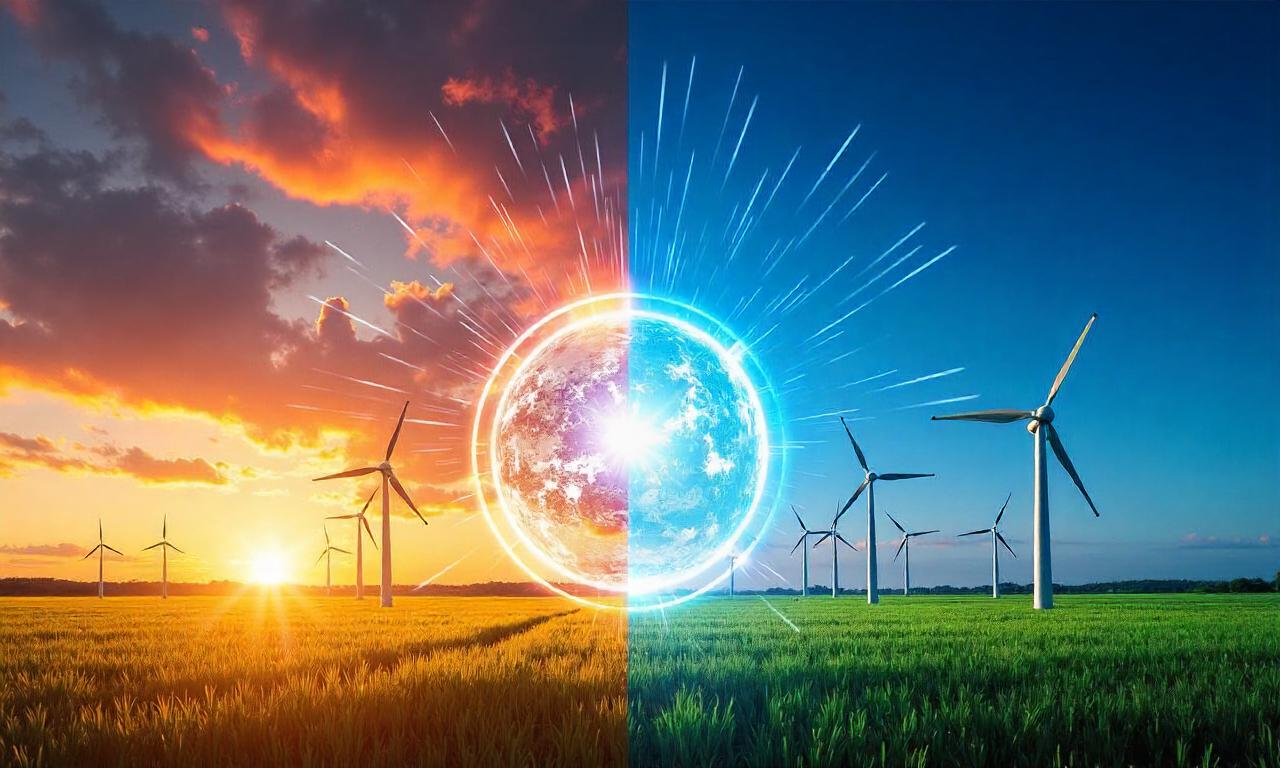
Energy is the lifeblood of modern civilization, powering everything from our homes and industries to transportation and communication systems. As the world grapples with the challenges of climate change, resource depletion, and the need for sustainable development, the distinction between renewable vs non-renewable energy has become more than just a technical discussion—it’s a critical factor in shaping the future of our planet. Understanding the differences between these two energy types is essential for making informed decisions about energy production, consumption, and conservation. This article provides a comprehensive breakdown of renewable vs non-renewable energy, highlighting their characteristics, advantages, disadvantages, and their roles in global energy strategies.
Understanding Renewable Energy
Renewable energy refers to energy sources that can be replenished naturally in a short period, making them sustainable and environmentally friendly. Unlike non-renewable energy, which is finite and takes millions of years to form, renewable energy is derived from natural processes that occur continuously. This makes renewable energy a key player in the transition toward a greener and more sustainable energy system.
What is Renewable Energy?
Renewable energy is energy obtained from natural resources that are constantly replenished. These resources include sunlight, wind, water, geothermal heat, and organic matter. Unlike fossil fuels, which are extracted from the Earth and depleted over time, renewable energy sources are inexhaustible under normal conditions. For example, the sun will continue to shine for billions of years, and wind will always be present due to the Earth’s atmospheric processes. This self-sustaining nature of renewable energy sources ensures that they can be harnessed without depleting the Earth’s natural reserves.
Types of Renewable Energy Sources
There are several types of renewable energy sources, each with unique characteristics and applications. Solar energy is harnessed through photovoltaic cells or solar thermal systems, converting sunlight into electricity or heat. Wind energy utilizes wind turbines to generate power from the kinetic energy of moving air. Hydroelectric energy is derived from the movement of water in rivers or dams, while geothermal energy taps into the Earth’s internal heat to produce electricity or provide heating. Biomass energy involves converting organic materials like plant matter or animal waste into fuel. These diverse sources not only offer alternative options to traditional energy but also demonstrate the versatility of renewable vs non-renewable energy in meeting global demands.
Key Characteristics of Renewable Energy
One of the defining features of renewable energy is its sustainability. Since these energy sources are replenished naturally, they can be used indefinitely without causing long-term environmental damage. Additionally, renewable energy is generally cleaner than non-renewable energy, producing minimal greenhouse gas emissions during operation. For instance, solar panels and wind turbines generate electricity without emitting carbon dioxide or other pollutants. Another important characteristic is low operational costs. Once the infrastructure is in place, the cost of generating energy from renewable sources is often lower than that of non-renewable sources, especially when considering the long-term expenses of fossil fuel extraction and transportation.
Benefits of Renewable Energy
The advantages of renewable vs non-renewable energy are numerous. First, renewable energy sources reduce dependence on fossil fuels, which are finite and increasingly expensive to extract. Second, they help mitigate climate change by significantly lowering carbon emissions. Third, renewable energy promotes energy independence, as countries can harness their own natural resources rather than relying on imported fuels. Finally, the development of renewable energy technologies creates job opportunities in manufacturing, installation, and maintenance. These benefits make renewable vs non-renewable energy a central topic in discussions about the future of energy.
Understanding Non-Renewable Energy
Non-renewable energy sources, on the other hand, are finite and cannot be replenished quickly. These energy types are formed over millions of years through geological processes, such as the decomposition of organic matter into fossil fuels or the nuclear reactions in uranium deposits. Once these resources are exhausted, they are no longer available, making them a critical concern for long-term energy planning.
What is Non-Renewable Energy?
Non-renewable energy is energy obtained from resources that are not replenished at the same rate they are consumed. This category includes coal, oil, natural gas, and nuclear energy, which are the primary sources of energy for many countries. Unlike renewable sources, non-renewable energy requires extensive extraction and processing, which often leads to environmental degradation. For example, coal mining can result in deforestation, soil erosion, and water pollution, while oil drilling may cause habitat disruption and oil spills. The limited availability of these resources also means that their use is subject to resource depletion, a growing issue as global demand for energy continues to rise.
Types of Non-Renewable Energy Sources
The main non-renewable energy sources are coal, oil, natural gas, and nuclear energy. Coal, a sedimentary rock formed from ancient plant matter, is primarily used for electricity generation and industrial processes. Oil, a liquid fossil fuel, is refined into products like gasoline, diesel, and jet fuel to power vehicles and machinery. Natural gas, which is mainly composed of methane, is often considered a cleaner alternative to coal and oil but still contributes to greenhouse gas emissions. Nuclear energy, generated through the fission of uranium atoms, provides a high amount of energy with minimal carbon emissions but poses challenges related to waste management and potential accidents. These non-renewable energy sources have been the backbone of industrialization but are now under scrutiny for their long-term viability.
Key Characteristics of Non-Renewable Energy
The primary trait of non-renewable energy is its finite nature. Once these resources are depleted, they cannot be replaced within a human timescale. Additionally, non-renewable energy is often concentrated in specific regions, making it easier to transport and store compared to dispersed renewable sources. However, this concentration also leads to geopolitical tensions, as countries compete for access to these limited resources. Another characteristic is the high initial cost of extraction and processing. For instance, oil drilling requires significant investment in infrastructure, and coal mining involves costly machinery and labor. Despite these challenges, non-renewable energy remains a dominant source due to its reliability and energy density.
Drawbacks of Non-Renewable Energy
The disadvantages of non-renewable vs non-renewable energy are equally significant. The most pressing issue is environmental impact—burning fossil fuels releases large amounts of carbon dioxide and other pollutants, contributing to air and water pollution, as well as climate change. Coal, for example, produces sulfur dioxide and nitrogen oxides, which can lead to acid rain and respiratory problems. Oil and natural gas are also linked to greenhouse gas emissions, which drive global warming. Furthermore, the extraction of these resources often results in ecological damage, such as oil spills, deforestation, and the destruction of wildlife habitats. Finally, non-renewable energy is vulnerable to price fluctuations, as supply and demand dynamics can lead to sudden increases in energy costs.
Environmental Impact of Renewable vs Non-Renewable Energy
The environmental consequences of renewable vs non-renewable energy are starkly different, influencing everything from air quality to biodiversity. While renewable energy sources are generally eco-friendly, they are not without their own challenges. Conversely, non-renewable energy has long been associated with pollution and resource depletion, but it also has specific environmental benefits.
Environmental Effects of Renewable Energy
Renewable energy has a minimal environmental footprint compared to traditional energy sources. For example, solar panels and wind turbines generate electricity without emitting pollutants or greenhouse gases during operation. However, their production and installation can have some environmental impact, such as land use changes and the use of hazardous materials in manufacturing. Hydropower, while a clean energy source, can disrupt aquatic ecosystems by altering water flow and affecting fish migration. Similarly, geothermal energy may cause earthquakes or land subsidence if not managed properly. Despite these short-term challenges, the long-term benefits of renewable energy far outweigh its drawbacks, making it a sustainable choice for the future.
Environmental Effects of Non-Renewable Energy
The environmental impact of non-renewable energy is more pronounced. Burning coal, oil, and natural gas releases carbon dioxide, sulfur dioxide, and particulate matter, which contribute to climate change, acid rain, and respiratory diseases. Coal mining not only depletes the Earth’s resources but also leads to land degradation, water contamination, and deforestation. Oil drilling can result in oil spills that devastate marine life, while natural gas extraction, particularly through fracking, has been linked to water depletion and methane leaks. Nuclear energy offers a low-emission option but raises concerns about radioactive waste, nuclear accidents, and uranium mining. These environmental effects underscore the importance of transitioning from non-renewable vs renewable energy to more sustainable alternatives.
Comparative Analysis of Environmental Impact
When comparing renewable vs non-renewable energy, the environmental impact is a key differentiator. Renewable energy sources like solar and wind have a low carbon footprint and do not deplete the Earth’s natural reserves. In contrast, non-renewable energy sources are responsible for a significant portion of global greenhouse gas emissions, which are the primary drivers of climate change. According to the International Energy Agency (IEA), fossil fuels accounted for over 75% of global carbon emissions in 2022.
However, non-renewable energy is not entirely without its environmental advantages. Nuclear energy, for instance, provides a high energy output with minimal greenhouse gas emissions, making it a low-carbon alternative. Still, the risk of nuclear accidents and the long-term storage of radioactive waste remain major concerns. On the other hand, renewable energy may require land use changes, but these are typically temporary and can be mitigated through innovation and planning. For example, floating solar farms and offshore wind turbines minimize land use conflicts.
Future Prospects and Global Trends
The global shift toward renewable vs non-renewable energy is gaining momentum as governments and industries recognize the need for sustainable energy solutions. Renewable energy is becoming more cost-effective due to advancements in technology and economies of scale. For instance, the cost of solar energy has dropped by over 80% since 2010, making it competitive with fossil fuels in many regions. Additionally, wind energy is now the cheapest source of electricity in several countries, thanks to improved turbine efficiency and reduced maintenance costs.
Conversely, non-renewable energy is facing increasing pressure to reduce its environmental impact. Coal, once the dominant energy source, is being phased out in many nations due to its high pollution levels and climate change contribution. Natural gas, often seen as a bridge fuel, is being used to transition away from coal, but its methane emissions during extraction and transportation remain a challenge. Meanwhile, nuclear energy is being reconsidered as a low-carbon option, with some countries investing in new reactor technologies to enhance safety and efficiency. These global trends indicate that renewable vs non-renewable energy will continue to shape energy policies and environmental strategies in the coming decades.
Conclusion
The comparison between renewable vs non-renewable energy reveals the strengths and weaknesses of each energy type. Renewable energy offers sustainability, clean energy production, and long-term cost benefits, making it a vital component of the global energy transition. However, non-renewable energy remains essential for current energy needs due to its high energy density and established infrastructure. While non-renewable energy has significant environmental drawbacks, renewable energy is not without its challenges, such as intermittency and initial investment costs.
As the world moves toward a low-carbon future, the balance between renewable vs non-renewable energy will be crucial. Renewable energy is likely to dominate the energy market in the long run, but non-renewable energy will still play a role in the transition, especially in regions with limited access to renewable resources. Sustainable energy strategies must incorporate both types, leveraging the strengths of renewable vs non-renewable energy to meet the growing demand while minimizing environmental harm. By understanding the differences between renewable vs non-renewable energy, we can make informed decisions that contribute to a greener and more resilient energy system.
