
Maximizing Energy Efficiency in Appliances for a Sustainable Home
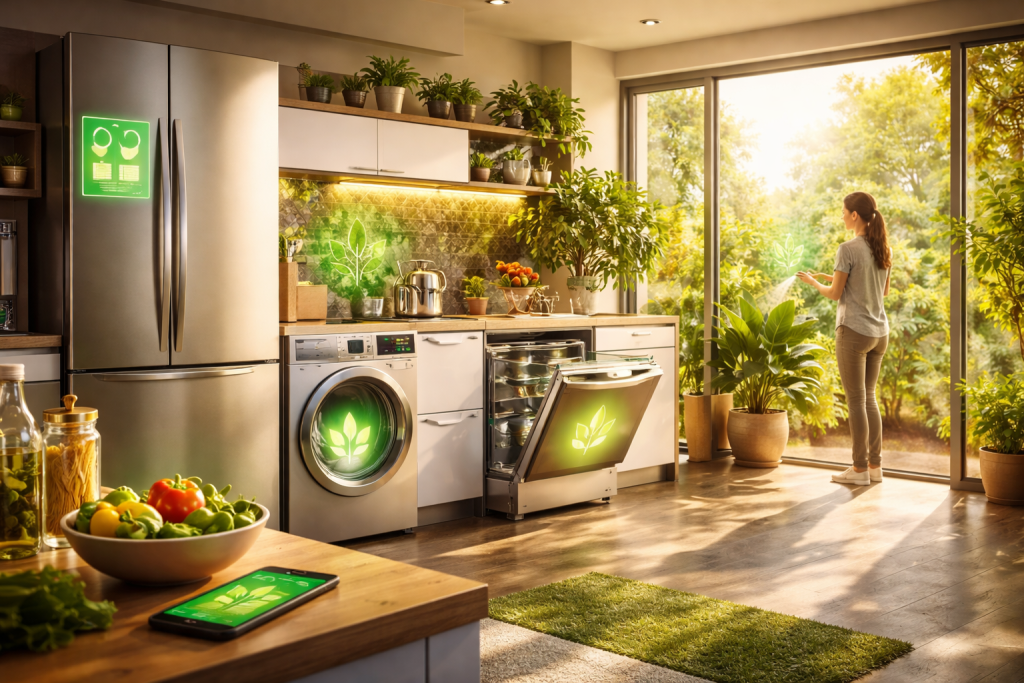
Modern households are increasingly looking for practical ways to reduce utility bills while lowering their environmental footprint. One of the most effective strategies is improving energy efficiency in appliances, which directly impacts electricity consumption and long-term sustainability. By choosing smarter devices and using them correctly, homeowners can significantly cut energy waste without sacrificing comfort or convenience.
Understanding Energy Efficiency in Appliances
Energy efficiency in appliances refers to how effectively a device converts electricity into useful work while minimizing wasted energy. Appliances such as refrigerators, washing machines, and air conditioners consume a large portion of household energy, making them key targets for optimization. The more efficient an appliance is, the less electricity it needs to perform the same task.
Energy-efficient appliances are often designed with advanced technologies that reduce power consumption. Features like inverter motors, smart sensors, and eco-modes allow appliances to adjust their performance based on usage patterns. This not only lowers energy usage but also extends the lifespan of the appliance.
Understanding energy ratings is also crucial. Labels such as ENERGY STAR or similar certifications indicate that a product meets specific efficiency standards. These ratings help consumers compare appliances and make informed decisions that align with both cost savings and environmental responsibility.
Choosing the Right Energy-Efficient Appliances
Selecting the right appliance is the first step toward maximizing efficiency. When shopping, prioritize models with high efficiency ratings and modern energy-saving features. While these appliances may have a higher upfront cost, they typically deliver significant savings over time.
It’s important to match the appliance size to your actual needs. Oversized refrigerators or washing machines consume more energy than necessary, even when not fully utilized. Choosing appropriately sized appliances ensures optimal energy efficiency in appliances without unnecessary waste.
Another consideration is technological advancements. Appliances with smart capabilities can optimize energy use by learning your habits or allowing remote control through mobile apps. These features provide better control over consumption and help avoid unnecessary operation.
Durability and brand reputation also matter. A well-built appliance maintains its efficiency over time, whereas cheaper alternatives may lose performance and consume more energy as they age. Investing in quality ensures consistent efficiency and fewer replacements.
Smart Usage Habits for Maximum Efficiency
Even the most efficient appliances can waste energy if used improperly. Developing smart habits plays a critical role in maximizing energy efficiency in appliances. Simple actions like turning off devices when not in use or avoiding standby mode can make a noticeable difference.
For example, running washing machines or dishwashers with full loads reduces the number of cycles needed. Similarly, using cold water settings when possible saves energy that would otherwise be used for heating. These small adjustments add up over time.
Temperature settings are another important factor. Setting refrigerators slightly above the minimum cooling level and air conditioners at moderate temperatures helps reduce energy consumption. Overcooling not only wastes electricity but also puts unnecessary strain on the appliance.
Regular scheduling also helps. Running appliances during off-peak hours can reduce energy demand and, in some cases, lower utility costs. Consistency in usage patterns allows appliances to operate more efficiently and predictably.
Maintenance and Upkeep for Long-Term Efficiency
Proper maintenance is essential for sustaining energy efficiency in appliances over time. Dust, dirt, and wear can reduce performance and increase energy consumption if left unaddressed. Regular cleaning and servicing ensure appliances continue to operate at optimal levels.
For instance, cleaning refrigerator coils improves heat exchange, allowing the unit to cool more efficiently. Similarly, unclogging dryer vents enhances airflow, reducing drying time and energy use. These simple maintenance tasks can significantly impact overall efficiency.
Replacing worn-out parts is equally important. Faulty components, such as damaged seals or filters, can cause appliances to work harder than necessary. Timely repairs not only restore efficiency but also prevent more costly breakdowns in the future.
Professional servicing should not be overlooked. Periodic inspections by qualified technicians can identify hidden issues and ensure that appliances are functioning as intended. This proactive approach extends the lifespan of appliances while maintaining their efficiency.
Integrating Energy Efficiency into a Sustainable Home
Maximizing energy efficiency in appliances is a key component of building a sustainable home. However, it works best when combined with other energy-saving strategies. Insulation, proper ventilation, and renewable energy sources all contribute to a more efficient household.
Smart home systems can further enhance efficiency by automating appliance usage. For example, programmable thermostats and energy management systems can optimize heating, cooling, and appliance operation based on real-time needs. This reduces unnecessary energy consumption and improves overall performance.
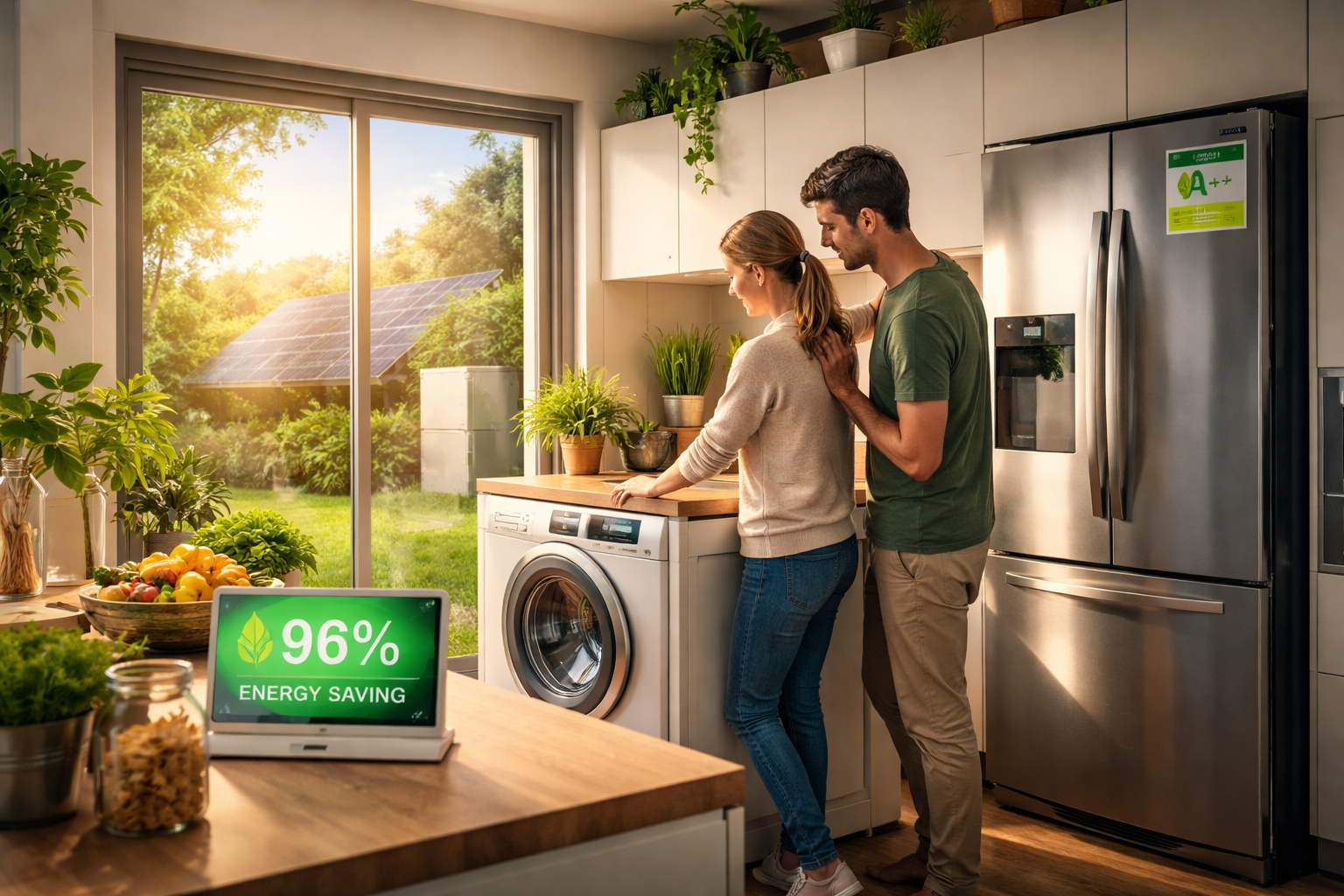
Behavioral changes also play a role. Encouraging all household members to adopt energy-conscious habits ensures consistent results. When everyone participates, the cumulative impact becomes much more significant.
Sustainability is not just about reducing energy use but also about making mindful choices. Opting for appliances made from recyclable materials or those with eco-friendly manufacturing processes supports broader environmental goals. These decisions align efficiency with long-term sustainability.
The Financial and Environmental Benefits
Investing in energy efficiency in appliances offers both financial and environmental advantages. Lower energy consumption directly translates into reduced utility bills, making efficient appliances a cost-effective choice in the long run. Over time, the savings can offset the initial investment.
Environmentally, efficient appliances reduce greenhouse gas emissions by lowering electricity demand. This contributes to combating climate change and preserving natural resources. Every small improvement in efficiency adds up to a larger positive impact.
Additionally, energy-efficient homes often have higher property value. Buyers are increasingly aware of sustainability and are willing to pay more for homes with efficient systems. This makes energy efficiency not just a cost-saving measure but also a valuable investment.
Government incentives and rebates may also be available for purchasing energy-efficient appliances. These programs further reduce the financial burden and encourage wider adoption of efficient technologies.
Conclusion
Improving energy efficiency in appliances is one of the most practical and impactful steps toward creating a sustainable home. By choosing the right appliances, using them wisely, and maintaining them properly, households can reduce energy consumption, save money, and support environmental conservation. Small changes in daily habits and thoughtful investments can lead to significant long-term benefits.
FAQ
Q: What does energy efficiency in appliances mean?
A: It refers to how effectively an appliance uses electricity to perform its function while minimizing wasted energy.
Q: Do energy-efficient appliances really save money?
A: Yes, they reduce electricity consumption, leading to lower utility bills over time despite higher initial costs.
Q: How can I improve the efficiency of my current appliances?
A: Use them wisely, clean and maintain them regularly, and avoid unnecessary operation or standby modes.
Q: Are smart appliances more energy-efficient?
A: Generally yes, as they can optimize usage patterns and reduce unnecessary energy consumption.
Q: Is it worth replacing old appliances with energy-efficient models?
A: In most cases, yes, especially if the old appliances consume significantly more energy and lack modern efficiency features.
