
How to Save Energy at Home Without Major Renovations
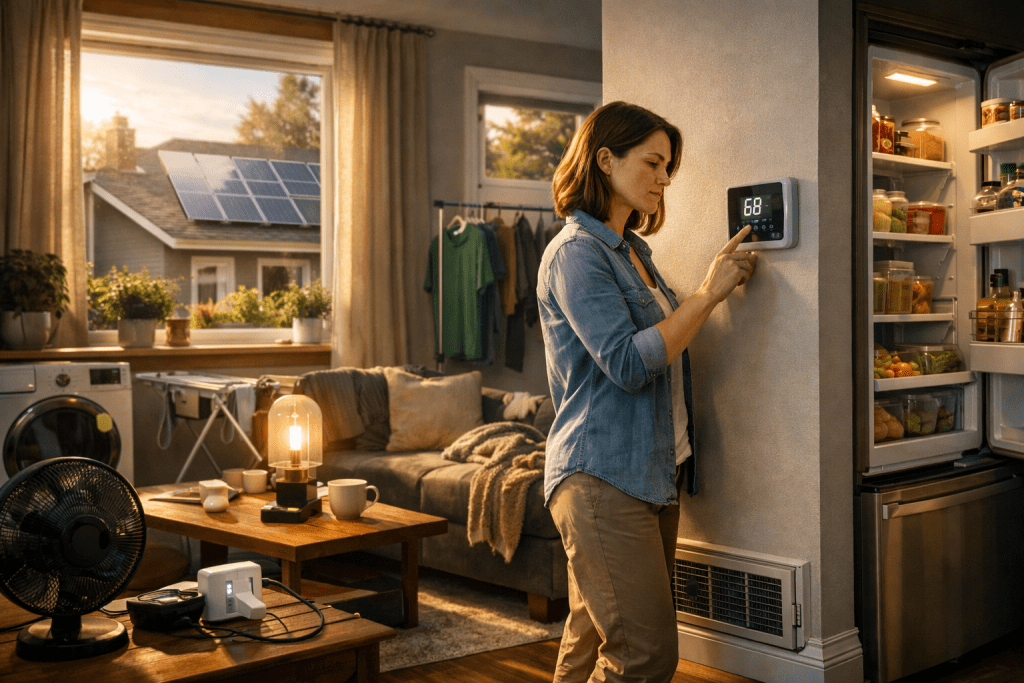
Reducing household energy use does not require tearing down walls or investing in expensive upgrades. If you are searching for how to save energy at home, the most effective solutions often start with small behavioral shifts and low-cost adjustments. These strategies lower utility bills, reduce environmental impact, and improve comfort without major renovations. The key is understanding where energy is wasted and correcting those inefficiencies with practical actions.
Understand Where Your Energy Goes
Before applying any strategy for how to save energy at home, identify the biggest sources of consumption. In most households, heating and cooling account for the largest share, followed by water heating, lighting, and appliances. Reviewing past utility bills helps detect seasonal spikes and usage patterns.
A simple home energy audit can reveal hidden inefficiencies. Check for drafts around doors and windows, inspect insulation levels in accessible areas, and note how often major appliances are used. Even without professional equipment, basic observation can uncover areas of unnecessary waste.
Understanding usage patterns allows you to prioritize actions. For example, reducing air conditioning use by even one degree can produce noticeable savings. Measured adjustments consistently outperform random efforts.
Optimize Heating and Cooling Efficiency
Temperature control has the highest impact when learning how to save energy at home. Adjusting the thermostat by 1–2 degrees can reduce energy consumption by up to 10% annually. In winter, set the temperature lower when sleeping or away; in summer, increase it slightly during peak hours.
Use programmable or smart thermostats to automate temperature shifts. Automation prevents waste without requiring daily manual adjustments. If a smart device is not available, manually setting schedules still provides measurable savings.
Seal air leaks using weatherstripping and door sweeps. Small gaps around windows and doors allow conditioned air to escape, forcing systems to work harder. Adding thermal curtains or blinds reduces heat transfer and stabilizes indoor temperature.
Ceiling fans also improve efficiency. In summer, they create airflow that allows higher thermostat settings without sacrificing comfort. In winter, reversing the fan direction circulates warm air downward.
Upgrade Lighting and Reduce Phantom Loads
Lighting is a simple area to address when considering how to save energy at home. Replace incandescent bulbs with LED lighting, which uses up to 80% less energy and lasts significantly longer. The upfront cost is low compared to long-term savings.
Maximize natural light during the day. Open curtains strategically and position workspaces near windows. Reduced daytime lighting use lowers electricity consumption immediately.
Phantom loads, also called standby power, quietly increase bills. Electronics such as televisions, gaming consoles, and chargers consume electricity even when turned off. Use smart power strips to automatically cut power when devices are idle.
Unplugging rarely used appliances prevents silent energy drain. Though each device consumes little individually, cumulative waste across multiple devices becomes substantial over time.
Improve Appliance and Water Efficiency
Appliances significantly affect household consumption. Washing clothes in cold water reduces water heating energy while maintaining cleaning performance. Running full loads in dishwashers and washing machines prevents unnecessary cycles.
Air drying clothes when possible eliminates dryer use entirely. If a dryer is necessary, clean the lint filter after every cycle to improve airflow and efficiency. Restricted airflow increases drying time and energy use.
Water heating is often the second-largest energy expense. Lowering the water heater temperature to 120°F (49°C) reduces consumption without sacrificing comfort. Installing low-flow showerheads and faucet aerators cuts hot water demand without major plumbing changes.
Refrigerator efficiency also matters. Keep coils clean and ensure proper door seals. A poorly sealed refrigerator forces the compressor to run longer and consume more electricity.
Change Daily Habits for Long-Term Savings
Behavioral adjustments form the foundation of how to save energy at home. Turning off lights when leaving a room and shutting down computers at night produce consistent savings. Small habits, repeated daily, accumulate into significant reductions.
Cook strategically to avoid excess heat. Using a microwave or air fryer instead of an oven consumes less energy and generates less indoor heat. During warmer months, minimizing oven use also reduces air conditioning demand.
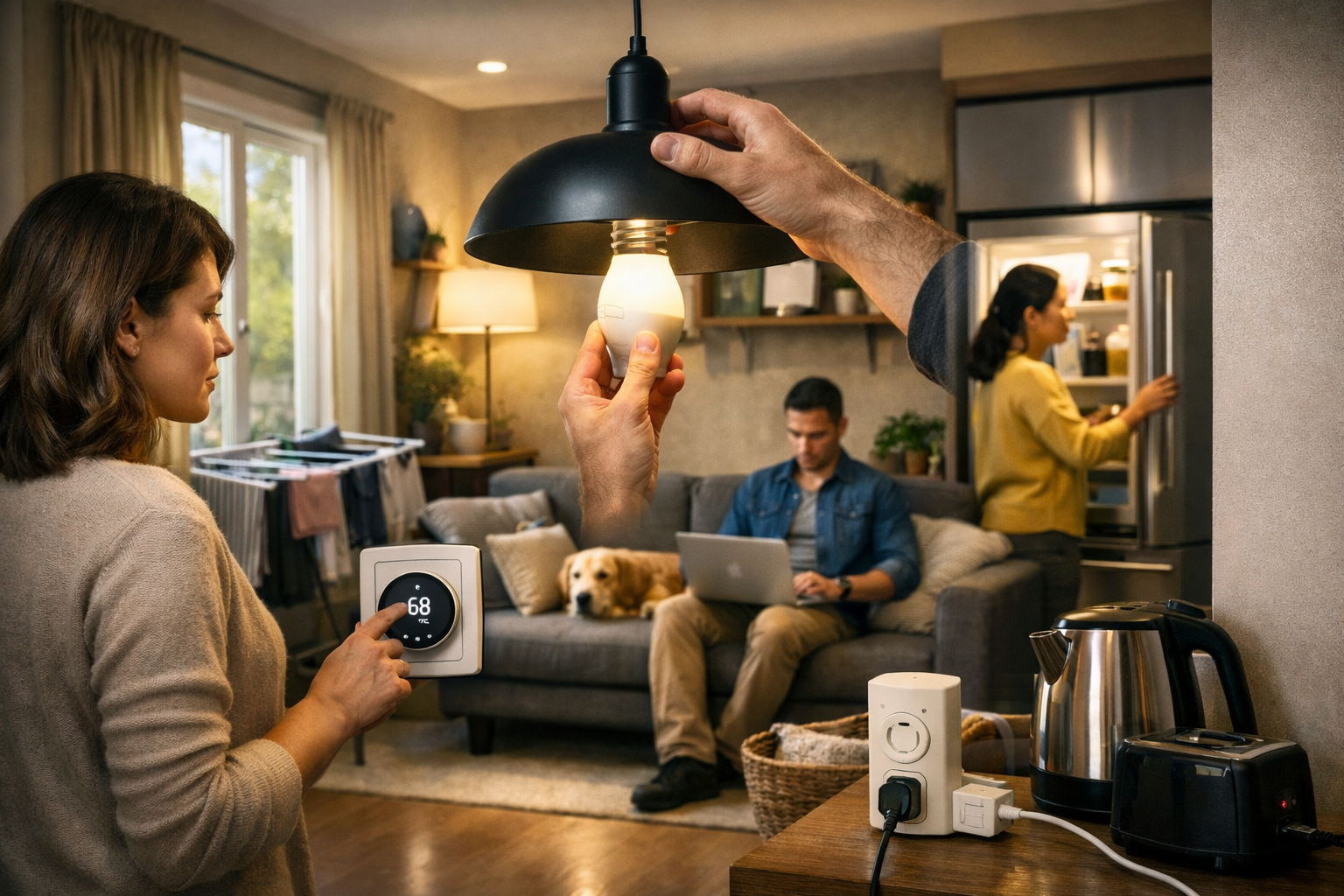
Manage window coverings based on season. In winter, allow sunlight to warm rooms during the day and close curtains at night to retain heat. In summer, block direct sunlight to reduce indoor temperature.
Shorter showers and mindful water use reduce both water and heating energy. Even reducing shower time by two minutes can lower monthly utility costs noticeably.
Use Smart Monitoring and Simple Technology
Technology supports efficient decision-making without requiring renovation. Energy monitoring devices track real-time consumption and highlight wasteful patterns. Awareness often leads to immediate behavioral correction.
Smart plugs allow remote control of individual devices. Scheduling electronics to power down automatically prevents standby waste. These devices are affordable and easy to install.
Motion-sensor lighting in low-traffic areas such as hallways and garages ensures lights operate only when needed. This approach eliminates human forgetfulness from the equation.
If budget allows, consider upgrading to ENERGY STAR-certified appliances when replacements are necessary. While not a renovation, replacing outdated equipment improves efficiency dramatically over time.
Strengthen Insulation Without Structural Changes
Insulation improvements do not always require opening walls. Adding weatherstripping, sealing attic access points, and using draft stoppers are inexpensive methods to reduce air exchange. These small interventions stabilize indoor temperature.
Rugs on bare floors provide additional thermal resistance. In colder months, they reduce heat loss and increase comfort without increasing heating demand.
Foam outlet gaskets installed behind electrical outlets on exterior walls prevent air infiltration. This overlooked detail contributes to maintaining indoor temperature consistency.
Temporary window insulation film is another low-cost option during winter. It creates an additional barrier that reduces drafts without permanent modification.
Conclusion
Understanding how to save energy at home begins with awareness and continues through consistent, practical action. Optimizing heating and cooling, upgrading lighting, improving appliance efficiency, adjusting daily habits, and sealing minor air leaks deliver measurable savings without structural renovation. These strategies lower energy bills, reduce environmental impact, and improve household comfort through disciplined execution rather than expensive remodeling.
FAQ
Q: What is the easiest way to start saving energy at home? A: Adjusting your thermostat settings and replacing old bulbs with LED lighting provide immediate and measurable savings.
Q: Does unplugging devices really make a difference? A: Yes. Devices in standby mode consume electricity continuously, and eliminating phantom loads reduces overall energy waste.
Q: How much can I save by lowering my water heater temperature? A: Reducing the setting to 120°F can lower water heating costs by several percent annually without affecting normal use.
Q: Are smart thermostats necessary to save energy? A: No. Manual temperature adjustments can achieve savings, though smart thermostats automate efficiency.
Q: Can small behavioral changes significantly reduce bills? A: Yes. Consistent daily habits such as turning off unused lights and running full appliance loads compound into meaningful long-term savings.
