
How to Improve Energy Efficiency in the Workplace?
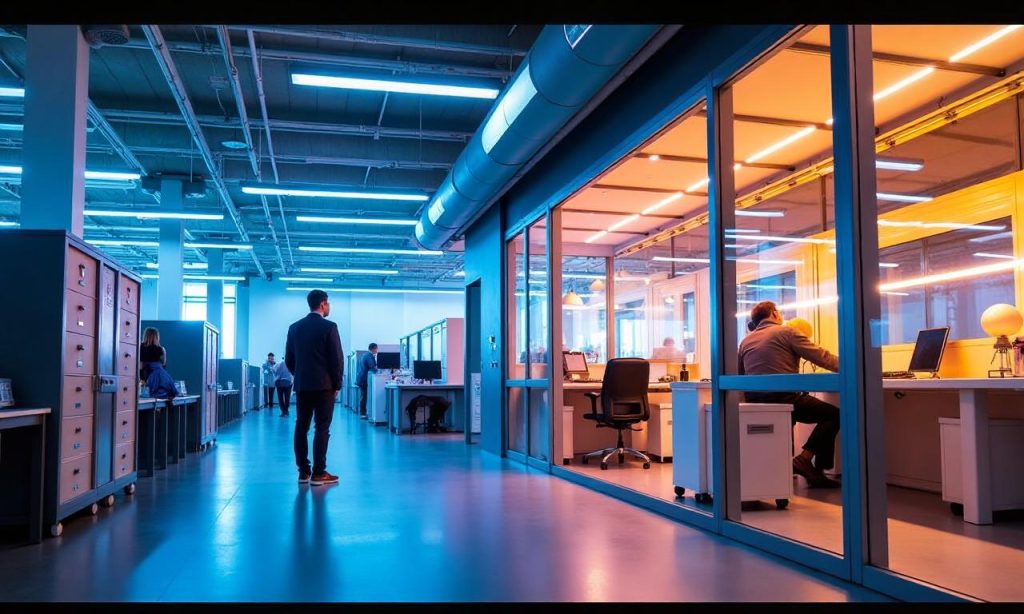
In today’s fast-paced business environment, energy efficiency in the workplace is not just an environmental concern but a critical factor in reducing operational costs and enhancing sustainability. With rising energy prices and growing awareness of climate change, companies are increasingly looking for practical ways to optimize energy use without compromising productivity. Implementing energy efficiency in the workplace can lead to significant savings, improved employee satisfaction, and a reduced carbon footprint. From lighting systems to heating and cooling solutions, every aspect of a workspace contributes to energy consumption. This article explores actionable strategies to improve energy efficiency in the workplace, offering insights into how businesses can create a more sustainable and cost-effective environment for their teams.
Assessing Current Energy Usage
Before implementing energy-saving measures, it’s essential to understand how energy is currently being used in the workplace. A comprehensive energy efficiency in the workplace strategy begins with conducting an energy audit to identify areas where energy is being wasted or underutilized. This step involves analyzing electricity consumption patterns, evaluating the efficiency of lighting, heating, and cooling systems, and reviewing the usage of electronic devices. By gathering data on energy consumption, businesses can pinpoint inefficiencies and prioritize improvements that yield the highest returns.
One of the simplest ways to start this assessment is by reviewing utility bills. These bills often reveal trends in energy use, such as spikes during certain hours or days. For instance, a company might notice that energy consumption increases significantly during the afternoon when most employees are working on computers and other devices. This insight can lead to targeted interventions, like implementing power-saving modes or scheduling equipment to run during off-peak hours. Additionally, monitoring the usage of energy-intensive appliances, such as printers, coffee machines, and projectors, can uncover opportunities for optimization.
Another key aspect of assessing energy usage is identifying high-consumption areas. These could include large office spaces, server rooms, or common areas like break rooms. For example, a well-lit office with outdated bulbs might consume more electricity than a space with modern LED lighting and smart controls. By mapping out these areas, businesses can develop a roadmap for energy reduction. Tools like smart meters and energy monitoring software provide real-time data, allowing managers to track consumption and make informed decisions. This proactive approach ensures that energy-saving efforts are not just guesswork but data-driven strategies.
It’s also important to evaluate the energy efficiency of existing systems. Many companies overlook the efficiency of their HVAC (heating, ventilation, and air conditioning) units, which can account for a significant portion of energy costs. Older systems often require more power to maintain comfortable temperatures, while newer models may offer better performance with lower energy demands. Conducting a thorough audit not only highlights these issues but also helps in setting measurable goals for improvement. For example, a business might aim to reduce energy consumption by 15% within a year, providing a clear target for implementation.
Optimizing Lighting and Electronic Equipment
Lighting is one of the most visible and controllable aspects of energy efficiency in the workplace. Traditional incandescent and fluorescent bulbs often waste a large amount of energy, converting only a fraction of it into usable light. Replacing these with energy-efficient LED bulbs is a simple yet effective step toward reducing overall energy use. LED lights consume up to 75% less energy than incandescent bulbs and last significantly longer, minimizing the need for frequent replacements.
Beyond bulb replacement, integrating smart lighting systems can further enhance energy efficiency in the workplace. These systems use motion sensors, daylight sensors, and programmable timers to adjust lighting based on occupancy and natural light availability. For instance, a smart lighting system in a conference room can automatically turn off lights when no one is present, saving energy without affecting productivity. Additionally, installing occupancy sensors in restrooms, storage areas, and other low-traffic zones ensures that lighting is only used when needed.
Reducing the energy consumption of electronic devices is another crucial area. Many office spaces leave computers, printers, and other equipment running overnight or when not in use, contributing to unnecessary energy waste. Implementing energy efficiency in the workplace practices such as using power strips with timers or switching to smart power outlets can help mitigate this issue. These devices allow users to cut off power to multiple electronics at once, preventing standby energy consumption. For example, a power strip with a timer can ensure that all devices in a meeting room are powered down after the session ends.
Furthermore, encouraging employees to adopt energy-saving habits with their electronic equipment can make a significant difference. Simple actions like turning off monitors at the end of the day, using energy-saving modes on computers, and unplugging devices when not in use can reduce energy consumption. Some companies also introduce policies requiring staff to log off from devices when leaving the workspace, which not only saves energy but also enhances cybersecurity. By combining technological upgrades with behavioral changes, businesses can create a more efficient and sustainable environment.
Enhancing HVAC and Heating Systems
Heating, ventilation, and air conditioning (HVAC) systems are among the largest energy consumers in most workplaces. Optimizing these systems is a vital part of energy efficiency in the workplace, as they can account for up to 40% of a building’s total energy use. Upgrading to energy-efficient HVAC units is a long-term investment that pays off in reduced utility bills and improved indoor comfort. Modern systems are designed with advanced technology, such as variable-speed compressors and high-efficiency filters, which use less energy while maintaining optimal air quality and temperature control.
Regular maintenance of HVAC systems is equally important for ensuring their efficiency. Dust and debris buildup can cause systems to work harder than necessary, leading to higher energy consumption. Scheduling routine inspections and cleanings can prevent this issue, extending the lifespan of equipment and improving performance. For example, cleaning air filters every three months can enhance airflow and reduce the strain on the system, resulting in lower energy costs. Additionally, checking for leaks in ductwork and ensuring that thermostats are functioning correctly helps maintain energy efficiency.
Another way to improve energy efficiency in the workplace is by using smart thermostats and zoning systems. Smart thermostats learn occupancy patterns and adjust temperatures automatically, reducing energy waste. For instance, a smart thermostat in a company’s office can lower the heating temperature during nights and weekends when the building is unoccupied. Zoning systems allow different areas of a building to have separate temperature controls, ensuring that energy is not wasted on heating or cooling empty spaces. This strategy is particularly beneficial in large office buildings with multiple departments or floors.
Incorporating renewable energy sources into HVAC systems can also boost energy efficiency in the workplace. Solar panels, for example, can power ventilation systems or provide energy for heating and cooling during peak hours. This not only reduces reliance on traditional energy grids but also lowers carbon emissions. Companies that integrate solar-powered HVAC solutions often see a substantial decrease in energy costs, especially in regions with high sunlight exposure. By combining modern technology with sustainable practices, businesses can achieve greater control over their energy usage.
Encouraging Employee Participation and Behavioral Change
While technology and infrastructure play a major role in energy efficiency in the workplace, the behavior of employees can significantly impact overall energy consumption. Encouraging staff to adopt energy-saving habits is a cost-effective strategy that complements other measures. For example, simple actions like turning off lights when leaving a room or unplugging idle devices can reduce energy waste without requiring major investments. Creating a culture of sustainability ensures that these practices become second nature to all team members.
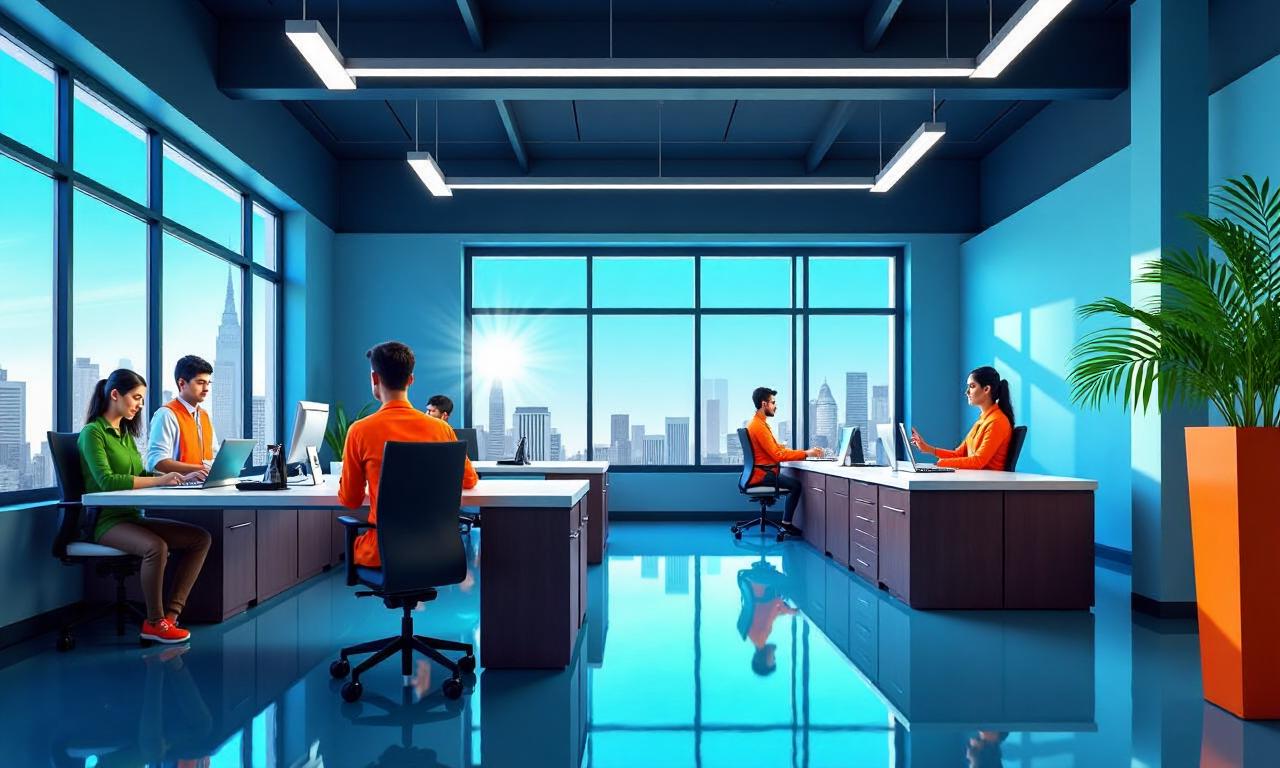
One way to promote employee participation is by launching an energy efficiency in the workplace initiative. This could involve workshops or training sessions that educate staff on the importance of energy conservation and how their daily actions contribute to it. For instance, teaching employees about the benefits of using natural light and the impact of leaving devices on standby can lead to long-term behavioral changes. Businesses can also introduce internal competitions, such as energy-saving challenges, to motivate teams to reduce their energy use. Recognizing and rewarding departments or individuals that achieve the best results fosters a sense of pride and accountability.
Another effective approach is to establish clear guidelines and policies around energy use. For example, requiring employees to turn off computers and monitors when not in use or setting limits on the use of high-energy appliances can create a standardized framework for energy efficiency. Providing easy-to-use tools, such as smart power strips or motion sensors, makes it simpler for staff to follow these guidelines. Additionally, incorporating energy-saving practices into daily routines, like turning off lights in unoccupied rooms or using energy-efficient settings on printers, ensures consistent compliance.
Creating an environment that supports energy efficiency in the workplace also involves making changes to the physical workspace. For example, installing energy-efficient lighting in common areas or using task lighting instead of overhead lights can reduce overall energy use. Companies can also introduce flexible work arrangements, such as remote work options, which lower the need for office space and, consequently, reduce energy consumption. By involving employees in the process and making energy-saving practices accessible, businesses can create a more sustainable and efficient workspace.
In addition to these measures, energy efficiency in the workplace can be reinforced through regular reminders and feedback. Sending out weekly updates on energy use or displaying real-time energy consumption data in common areas can keep employees informed and motivated. For example, a digital dashboard showing energy savings from individual departments can encourage teams to compete in reducing their impact. These small but consistent efforts help normalize energy efficiency as a shared responsibility, leading to measurable improvements over time.
Maximizing Natural Light and Airflow
Harnessing natural light and airflow is a powerful way to enhance energy efficiency in the workplace without relying heavily on artificial systems. Natural light not only reduces the need for electric lighting but also has a positive effect on employee well-being and productivity. Studies have shown that well-lit environments with access to daylight can improve mood, focus, and overall job satisfaction, making this a dual benefit for both energy savings and workplace morale.
To maximize natural light, businesses should design or restructure their spaces to allow sunlight to reach as many areas as possible. This could involve adjusting window placements, using reflective surfaces to bounce light deeper into rooms, or installing light shelves that diffuse sunlight evenly. For instance, a modern office layout with large windows and open spaces can significantly cut down on artificial lighting requirements. Additionally, using smart blinds or automated shading systems ensures that natural light is utilized optimally while preventing excessive heat gain or glare, which can increase the demand for air conditioning.
Improving airflow through passive design strategies is another key component of energy efficiency in the workplace. Proper ventilation reduces the need for mechanical cooling systems, lowering energy consumption. Ensuring that buildings have adequate cross-ventilation, such as by arranging workspaces to take advantage of natural wind patterns, can help maintain comfortable temperatures without using additional energy. Opening windows during cooler hours or using ceiling fans to circulate air can make a noticeable difference in energy use.
Incorporating green spaces and indoor plants also contributes to energy efficiency in the workplace by naturally regulating temperature and humidity. Plants can act as natural air purifiers, reducing the workload on HVAC systems. For example, a well-planted office space may require less energy for cooling in the summer months. These small design choices not only enhance energy efficiency in the workplace but also create a more pleasant and healthy working environment.
Finally, businesses can leverage natural light and airflow by adjusting their schedules. For instance, scheduling meetings or activities in the afternoon when sunlight is most abundant can reduce the need for artificial lighting. Similarly, using natural airflow during cooler times of the day helps lower the demand for air conditioning. By integrating these strategies into daily operations, companies can achieve greater energy efficiency while improving the comfort and sustainability of their workspace.
Reducing Waste Through Efficient Practices
Minimizing waste is an essential part of energy efficiency in the workplace, as it directly impacts the overall energy consumption of an organization. One of the most common forms of energy waste is leaving equipment on standby or idle. For example, computers, printers, and other devices that remain powered on overnight can consume unnecessary energy. Implementing energy-saving modes or using smart power strips ensures that devices are powered down when not in use, reducing waste without affecting productivity.
Another area of waste is the overuse of energy-intensive appliances in common areas. Microwave ovens, coffee machines, and vending machines often run continuously, using energy even when no one is present. By scheduling these devices to operate only during peak hours or installing motion sensors, businesses can significantly cut down on energy consumption. For instance, a vending machine that turns off automatically when no one is nearby can save hundreds of kilowatt-hours per year.
Waste in energy consumption also includes inefficient water use, which can indirectly impact electricity use. Water heating systems in offices often consume a large amount of energy, especially if they are used excessively. Installing low-flow faucets and water-efficient fixtures reduces the demand for hot water, lowering the energy needed to heat it. Additionally, reusing water in cooling systems or landscaping can further minimize energy waste.
Implementing a waste reduction strategy in the workplace also involves training employees to identify and address energy inefficiencies. Simple actions like turning off lights in unoccupied rooms or closing windows when heating or cooling is not needed can have a cumulative effect on energy savings. Businesses can create a feedback loop by monitoring energy use and sharing insights with staff, encouraging them to take part in the effort. This collaborative approach ensures that energy efficiency in the workplace is not just a
