
Energy Efficiency in the Workplace: How to Save Costs and Boost Sustainability
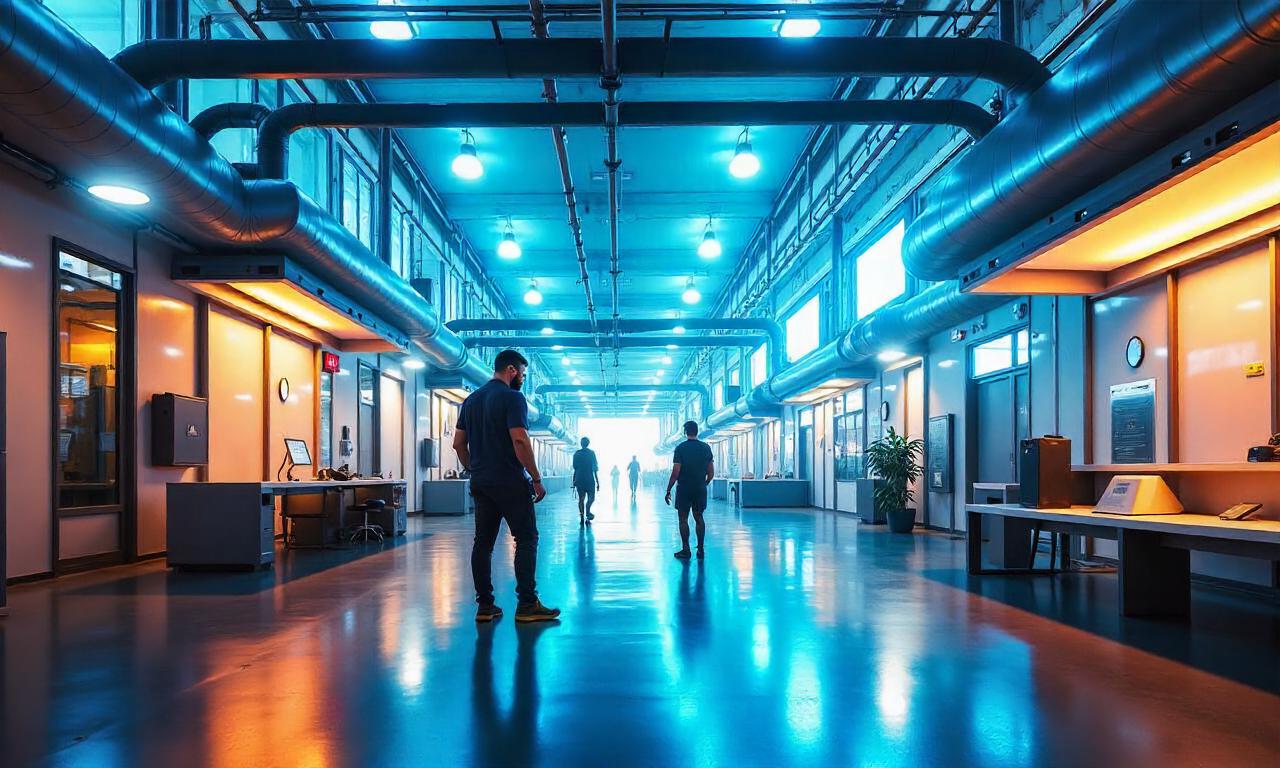
In today’s rapidly evolving business landscape, energy efficiency in the workplace has become a critical focus for companies aiming to reduce operational costs, minimize environmental impact, and enhance their corporate reputation. With rising energy prices and growing concerns about climate change, energy efficiency in the workplace is no longer an optional strategy but a necessity for sustainable business growth. This article explores the importance of energy efficiency in the workplace, outlines practical strategies to achieve it, highlights the benefits of implementing such measures, and provides real-world examples to demonstrate how businesses can thrive while reducing their energy footprint.
Why Energy Efficiency in the Workplace Matters
The Financial Impact of Energy Costs
Energy efficiency in the workplace is directly linked to cost savings. According to the U.S. Energy Information Administration, commercial buildings account for about 19% of total energy consumption in the United States. For businesses, this means that energy expenses can be a significant portion of their operational budget. By improving energy efficiency in the workplace, companies can reduce energy bills, free up capital for other investments, and improve profitability.
Environmental Responsibility and Corporate Sustainability
Beyond financial benefits, energy efficiency in the workplace plays a vital role in reducing carbon footprints and promoting environmental sustainability. Businesses are increasingly under pressure to adopt eco-friendly practices, and energy efficiency is a cornerstone of this effort. Implementing energy efficiency in the workplace not only helps companies meet sustainability goals but also aligns with global initiatives such as the Paris Agreement and the United Nations Sustainable Development Goals.
Long-Term Business Resilience
Investing in energy efficiency in the workplace today can create long-term resilience against energy price fluctuations and regulatory changes. As governments introduce stricter energy regulations and incentives for green businesses, companies that prioritize energy efficiency in the workplace will be better positioned to adapt and remain competitive in the future.
Strategies for Achieving Energy Efficiency in the Workplace
Upgrading Lighting Systems
One of the most impactful ways to improve energy efficiency in the workplace is by upgrading lighting systems. Traditional incandescent bulbs consume significantly more energy compared to modern LED or fluorescent lighting. LED lights, for instance, use up to 75% less energy and last 25 times longer than incandescent bulbs. Additionally, motion sensors and smart lighting systems can automatically adjust brightness based on occupancy, further reducing unnecessary energy use.
Energy efficiency in the workplace can also be enhanced by optimizing HVAC systems. Many offices rely on outdated HVAC equipment that consumes more energy than necessary. Upgrading to high-efficiency HVAC systems, such as those with variable-speed compressors or smart thermostats, can lead to substantial energy savings. Moreover, regular maintenance of these systems ensures they operate at peak performance, reducing waste and extending their lifespan.
Implementing Smart Technologies
The integration of smart technologies is a game-changer for energy efficiency in the workplace. Smart building systems, for example, can monitor and control energy usage in real time, identifying inefficiencies and suggesting adjustments. Tools like energy management software, automated power switches, and smart meters allow businesses to track consumption patterns and make data-driven decisions. These technologies not only improve efficiency but also streamline operations and reduce manual oversight.
Encouraging Employee Engagement
Energy efficiency in the workplace is not solely the responsibility of management; it requires the participation of all employees. Simple initiatives like promoting energy-saving habits (e.g., turning off lights when not in use, using natural light during the day, and encouraging carpooling) can collectively make a significant difference. Companies can also introduce incentives for employees who contribute to energy-saving efforts, fostering a culture of sustainability.
The Benefits of Energy Efficiency in the Workplace
Cost Reduction and Budget Optimization
The primary benefit of energy efficiency in the workplace is cost reduction. By minimizing energy consumption, businesses can lower their utility bills and redirect savings toward other areas such as employee development, innovation, or expansion. For example, a company that replaces all its lighting with LEDs might save thousands of dollars annually on electricity costs. These savings can be reinvested into the business, driving growth and improving financial stability.
Environmental Impact and Carbon Footprint Reduction
Energy efficiency in the workplace contributes to reducing a company’s environmental impact. By using less energy, businesses can lower their greenhouse gas emissions and decrease reliance on fossil fuels. This is particularly important in the context of climate change, where corporate actions play a significant role in global efforts to mitigate environmental damage. Companies that prioritize energy efficiency in the workplace also demonstrate their commitment to sustainability, which can attract eco-conscious customers and investors.
Enhanced Corporate Reputation and Employee Morale
Adopting energy efficiency in the workplace can enhance a company’s reputation as an environmentally responsible organization. This not only appeals to customers and stakeholders but also attracts top talent, as younger generations prioritize working for companies with strong sustainability practices. Additionally, employees often feel more motivated when they see their workplace taking proactive steps to reduce energy waste, fostering a sense of pride and engagement.
Compliance with Regulations and Incentives
Many governments and local authorities offer incentives for businesses that adopt energy-efficient practices. These include tax credits, grants, and rebates for upgrading to energy-saving technologies. By implementing energy efficiency in the workplace, companies can take advantage of these incentives while ensuring compliance with energy regulations. This reduces the risk of penalties and positions the business as a forward-thinking entity in its industry.
Case Studies and Real-World Applications
Example 1: A Tech Company’s Lighting Upgrade
A prominent tech company in California implemented energy efficiency in the workplace by replacing all traditional lighting with LED systems and installing motion sensors in unused areas. This change resulted in a 40% reduction in energy consumption for lighting, saving the company over $150,000 annually. The savings were reinvested into renewable energy projects, further amplifying the company’s sustainability efforts.
Example 2: Optimizing HVAC Systems in a Manufacturing Plant
A manufacturing plant in Germany upgraded its HVAC systems with variable-speed compressors and smart thermostats. This not only reduced energy costs by 30% but also improved indoor air quality, leading to a 15% increase in employee productivity. The case highlights how energy efficiency in the workplace can yield both financial and operational benefits.
Example 3: Smart Technologies in a Corporate Office
A multinational corporation in the UK integrated smart technologies into its office buildings, including automated power switches and energy management software. By doing so, the company achieved a 25% decrease in overall energy usage within the first year. These measures also reduced the need for manual energy monitoring, saving time and resources.
Example 4: Employee Engagement in a Retail Chain
A retail chain in the United States launched an initiative to encourage energy efficiency in the workplace through employee participation. Employees were trained to identify energy-saving opportunities, such as turning off equipment during breaks and using natural light. This led to a 12% reduction in energy consumption and a stronger alignment between the company’s sustainability goals and its workforce.
Conclusion
Energy efficiency in the workplace is a strategic investment that yields immediate and long-term benefits. By adopting cost-effective measures such as upgrading lighting, optimizing HVAC systems, and leveraging smart technologies, businesses can significantly reduce energy expenses while contributing to global sustainability efforts. The advantages of energy efficiency in the workplace extend beyond financial savings, enhancing corporate reputation, employee morale, and regulatory compliance. As companies continue to seek ways to operate more sustainably, energy efficiency in the workplace will remain a key driver of innovation and environmental responsibility. By prioritizing these practices, organizations can create a healthier, more efficient, and economically viable work environment for future generations.
