
Energy Efficiency in Appliances: A Complete Guide
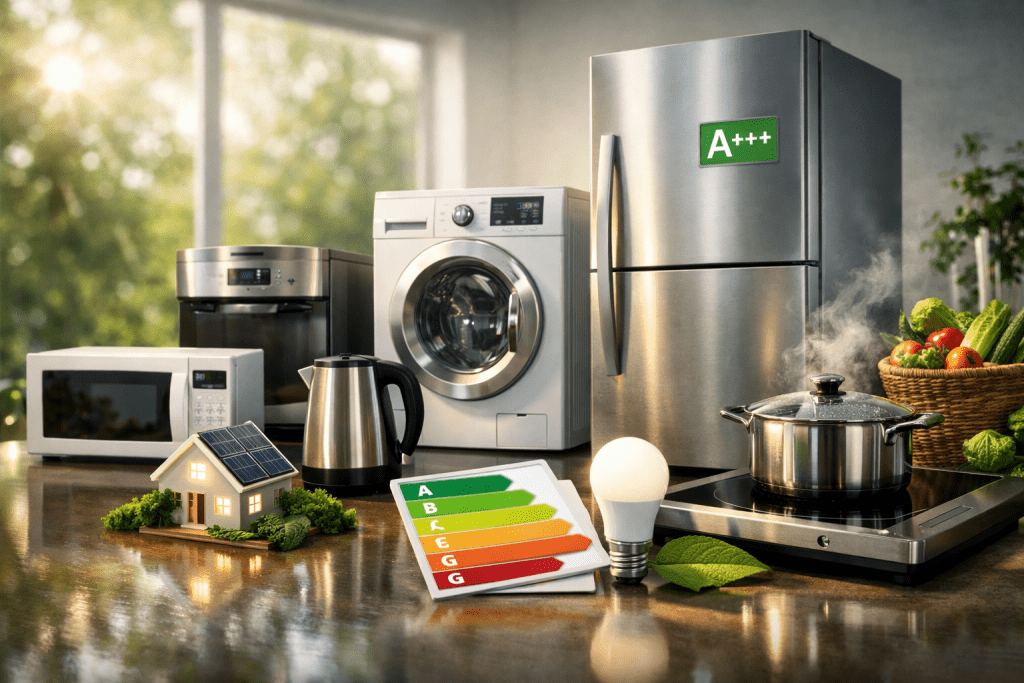
Modern households depend on refrigerators, air conditioners, washing machines, and dozens of small electronic devices. These products consume a significant share of residential electricity, directly affecting monthly utility bills and environmental impact. Energy efficiency in appliances refers to the ability of a device to perform its intended function while using the least possible amount of energy. Understanding how it works allows consumers to reduce costs, lower emissions, and make smarter long-term investments.
What Energy Efficiency in Appliances Really Means
At its core, energy efficiency in appliances measures how effectively an appliance converts energy into useful output. A highly efficient refrigerator, for example, maintains optimal cooling while consuming less electricity than older or poorly designed models. The goal is not to reduce performance, but to eliminate wasted energy.
Efficiency is typically quantified through standardized metrics such as kilowatt-hours (kWh) per year. Many countries use labeling systems, such as Energy Star or EU energy ratings, to classify appliances based on performance benchmarks. These labels allow consumers to compare products objectively before purchase.
It is important to distinguish efficiency from conservation. Conservation involves behavioral changes, such as turning off lights. Efficiency, by contrast, focuses on technology design that reduces consumption automatically without requiring constant user intervention.
Why Energy Efficiency in Appliances Matters
The financial benefit is immediate and measurable. Appliances operate daily, often continuously, which makes even small efficiency improvements accumulate into substantial annual savings. Over the lifespan of a refrigerator or air conditioner, reduced energy use can offset a higher upfront purchase price.
Environmental impact is equally significant. Electricity generation in many regions still relies on fossil fuels. Improving energy efficiency in appliances reduces overall demand, which lowers greenhouse gas emissions and decreases strain on power grids.
There is also a systemic advantage. Efficient appliances reduce peak load demand during high-usage periods. This stabilizes electrical infrastructure and can prevent outages or the need for costly expansion of power plants.
Key Factors That Determine Appliance Efficiency
Several technical and operational factors influence energy efficiency in appliances. The first is design and engineering. High-efficiency motors, advanced compressors, inverter technology, and improved insulation materials significantly reduce wasted energy.
The second factor is size and capacity. Oversized appliances consume more electricity than necessary. Selecting a unit that matches household needs ensures optimal performance without excess energy draw.
Technology integration also plays a role. Smart sensors, automatic load detection in washing machines, and adaptive cooling systems in air conditioners allow appliances to adjust power use dynamically. This prevents unnecessary operation at maximum capacity.
Maintenance affects performance over time. Dirty filters, clogged vents, and worn-out components increase energy consumption. Proper upkeep preserves the original efficiency rating and prevents gradual energy waste.
Understanding Energy Labels and Ratings
Energy labeling systems are designed to simplify purchasing decisions. They provide a standardized measure of energy efficiency in appliances, typically displayed through color-coded scales or star ratings. Higher ratings indicate lower energy consumption for the same output.
For example, a five-star washing machine uses significantly less electricity per cycle compared to a two-star model. The annual energy consumption figure listed on labels offers a clearer long-term comparison than wattage alone.
Consumers should also review additional metrics such as water efficiency, noise levels, and standby power consumption. Some appliances consume electricity even when not actively in use, which can add up over time.
Interpreting these labels correctly prevents misleading assumptions. A larger appliance may carry a high rating but still consume more total energy than a smaller, moderately rated model. Context matters in evaluating overall efficiency.
Practical Strategies to Improve Appliance Efficiency at Home
Upgrading outdated equipment is one of the most effective steps. Older appliances often lack modern efficiency standards and may consume 20–50% more electricity than newer models. Replacing high-consumption units yields immediate reductions in utility bills.
Optimizing usage patterns enhances energy efficiency in appliances without additional investment. Running dishwashers and washing machines with full loads, setting refrigerators to recommended temperatures, and avoiding unnecessary preheating in ovens all reduce energy waste.
Placement and installation also influence performance. Refrigerators positioned near heat sources work harder to maintain cooling. Air conditioners installed without proper insulation or sealing lose efficiency due to thermal leakage.
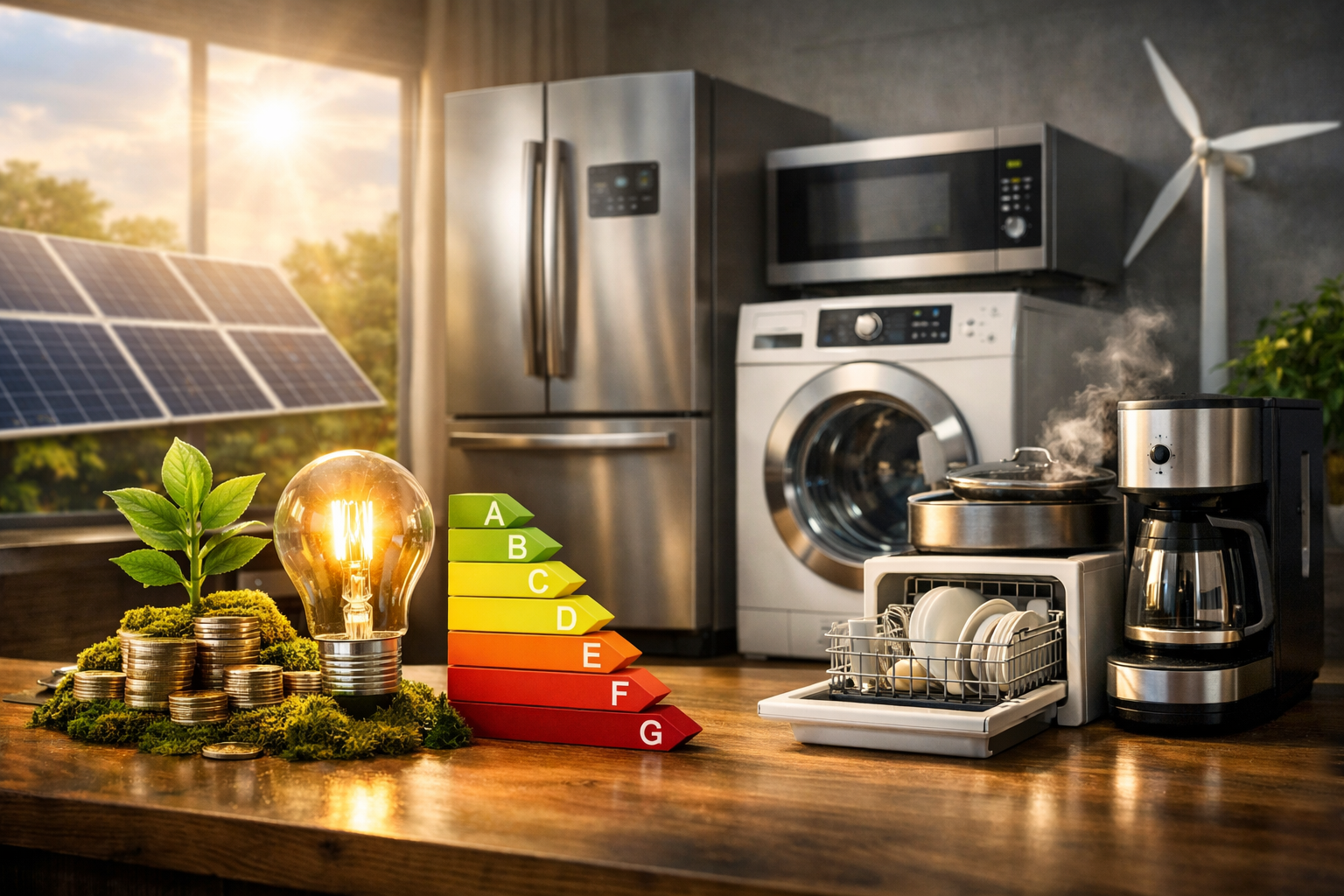
Standby power management is frequently overlooked. Televisions, microwaves, and chargers draw small amounts of electricity even when idle. Using smart power strips or unplugging devices when not needed eliminates this hidden consumption.
Regular maintenance sustains long-term efficiency. Cleaning condenser coils, replacing HVAC filters, and checking door seals prevent appliances from compensating for mechanical inefficiencies with higher energy use.
Cost-Benefit Analysis of Energy-Efficient Appliances
Higher purchase prices often discourage buyers from choosing efficient models. However, long-term operational savings usually outweigh initial costs. Calculating total cost of ownership provides a more accurate comparison than upfront price alone.
For example, an energy-efficient refrigerator that saves 150 kWh per year may reduce electricity expenses significantly over a 10–15 year lifespan. The cumulative savings frequently exceed the initial price difference.
Government incentives and rebates further improve affordability. Many regions offer tax credits or subsidies for certified high-efficiency products, accelerating return on investment.
When evaluating options, consider durability and warranty coverage. A slightly more expensive model with proven longevity preserves both energy savings and financial value over time.
Future Trends in Energy Efficiency in Appliances
Technological innovation continues to improve energy efficiency in appliances. Inverter-driven compressors, variable-speed motors, and AI-based optimization systems enable real-time energy adjustments based on usage patterns.
Integration with renewable energy systems is also expanding. Appliances designed to coordinate with solar panels or home battery storage can operate during peak production periods, reducing reliance on grid electricity.
Regulatory standards are becoming stricter worldwide. Manufacturers are required to meet higher efficiency benchmarks, gradually phasing out inefficient designs from the market.
Digital monitoring through smart home platforms allows users to track energy consumption in detail. Data transparency supports informed decision-making and encourages further efficiency improvements.
Conclusion
Energy efficiency in appliances directly affects household expenses, environmental sustainability, and electrical infrastructure stability. By understanding ratings, selecting appropriately sized equipment, maintaining devices properly, and prioritizing long-term value over initial cost, consumers can significantly reduce energy consumption without sacrificing performance.
FAQ
Q: What is energy efficiency in appliances? A: It refers to how effectively an appliance performs its function while using the least possible amount of electricity.
Q: Do energy-efficient appliances really save money? A: Yes, reduced electricity consumption lowers utility bills over the lifespan of the appliance, often offsetting higher upfront costs.
Q: How can I identify an energy-efficient appliance? A: Look for official energy labels, star ratings, or certifications that indicate lower annual energy consumption.
Q: Does appliance size affect energy efficiency? A: Yes, oversized appliances consume more energy than necessary, even if they have high efficiency ratings.
Q: Is maintenance important for maintaining efficiency? A: Regular cleaning and proper upkeep prevent increased energy use caused by mechanical strain or reduced airflow.
